 31. July 2026
SIMPLE WATER CONSERVATION HABITS TO TEACH CHILDREN.
Water conservation isn’t only important in dry, drought-prone regions. Even places with heavy rainfall can experience water shortages because rain and treated drinking water are not the same thing.
Teaching children simple water-saving habits early helps them develop routines that can last into adulthood. These habits don’t have to feel like chores, either. With the right approach, saving water can become a fun part of everyday family life.
Simple Water Conservation Habits for Children
Small, repeatable routines are often easier for children to maintain than occasional major efforts. Try introducing these habits at home:
- Take shorter showers: Cutting a few minutes from shower time can reduce water use. A favourite two-song playlist can serve as a simple shower timer.
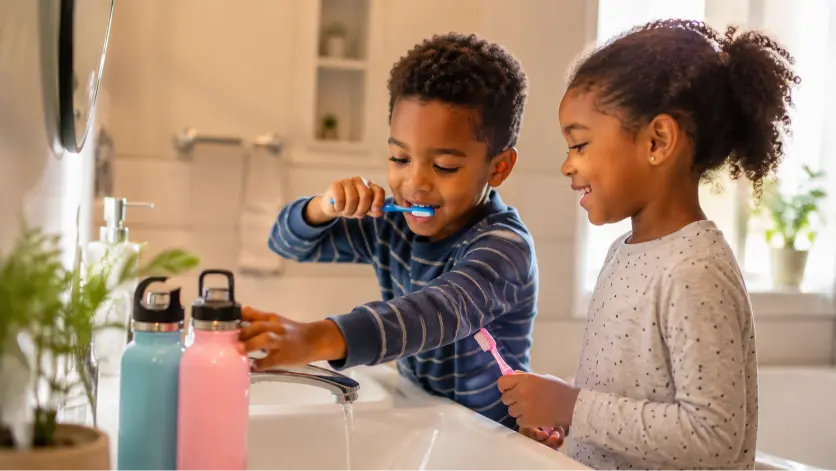
- Turn off the tap while brushing: Leaving the tap running while brushing wastes water. Turning it off is one of the easiest habits for children to learn.
- Scrape dishes instead of pre-rinsing: Scraping food from plates before placing them in the dishwasher can eliminate unnecessary rinsing under running water.
- Report leaks: Encourage children to tell an adult when they notice a dripping tap or other leak so it can be fixed promptly.
- Reuse suitable leftover water: Water from rinsing vegetables, cooled cooking water, or water collected while a shower warms up can sometimes be used for houseplants or gardens.
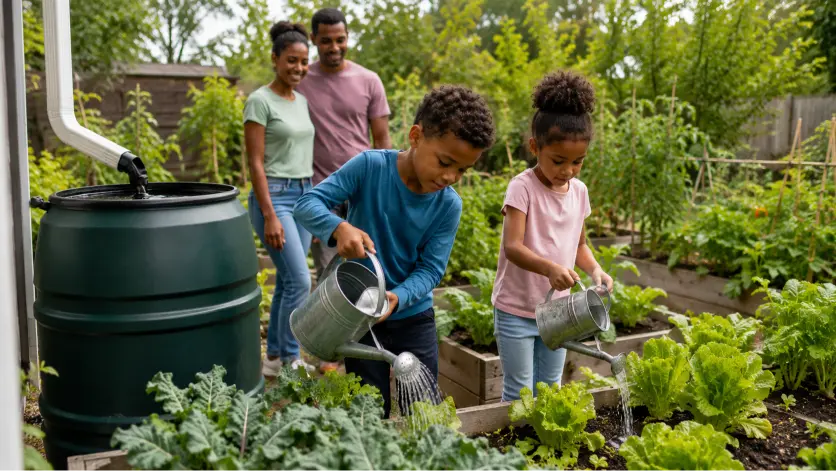
- Water gardens at the right time: Watering early in the morning or evening can reduce evaporation. Mulching soil can also help retain moisture.
Make Water Conservation Fun
Games and family challenges can make these lessons more engaging. Try the following approach:
- Start with a simple experiment: Compare the amount of water used during a long and short shower.
- Create a family challenge: Set a realistic weekly water-saving goal and offer a small reward for achieving it.
- Encourage peer teaching: Let your child explain a water-saving habit to a sibling or friend.
- Track progress: Use a sticker chart or another visible system to record successful habits.
- Check the water meter: If available, read the meter together each month so children can see how household water use changes.
How Schools and Communities Can Reinforce Water-Saving Habits
Children are more likely to maintain habits when they encounter the same ideas at home, at school, and in their communities.
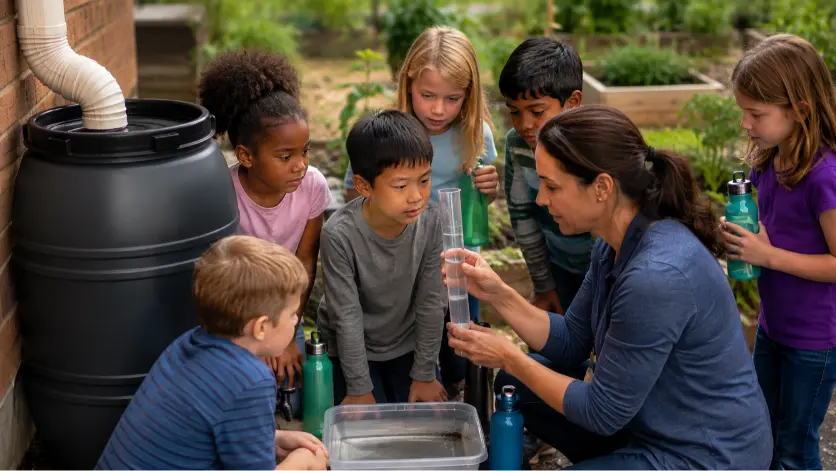
Some schools have introduced water-focused programmes, including classroom activities about the water cycle and rainwater collection systems. These initiatives can turn water conservation into a practical learning experience rather than an abstract concept.
Parents can also encourage schools to introduce simple projects, such as a rainwater collection initiative, a student-led water audit, or a water conservation lesson connected to science or geography.
Conclusion
Teaching children to conserve water doesn’t require dramatic lifestyle changes. Simple routines, hands-on activities, and family challenges can make water conservation easier to understand and more enjoyable to practise. When they can see the difference between a long and short shower or measure water collected from a leaking tap, conservation becomes easier to understand. Over time, small actions can become lasting water-saving habits.
Sources: