 30. July 2026
HOW TO REDUCE RADON GAS EXPOSURE IN AN ENERGY-EFFICIENT HOME.
Energy-efficient homes are designed to reduce heat loss and improve indoor comfort through features such as better insulation, airtight construction, and high-performance windows and doors. These improvements can lower energy bills and make homes more comfortable throughout the year. However, they do not necessarily prevent radon gas from entering a building.
Radon gas is a naturally occurring radioactive gas produced by the gradual breakdown of uranium found in soil, rocks, and groundwater. It is colorless, odorless, and tasteless, meaning it cannot be detected without specialized testing. In many cases, radon enters homes through small openings where the building meets the ground. If the gas becomes trapped indoors, particularly in tightly sealed or poorly ventilated areas, it may accumulate over time.
Not every home has elevated radon levels, and the amount of radon can vary significantly from one property to another, even between neighboring houses. Because long-term exposure to elevated radon levels has been linked to an increased risk of lung cancer, many public health organizations recommend testing homes and taking appropriate action if high concentrations are detected.
This guide explains what radon gas is, how it enters homes, who may be most at risk, and practical ways to reduce exposure while maintaining your home’s energy efficiency.
What is radon gas and how does it enter a home?
Radon forms naturally as uranium in the earth slowly decays. Once produced, the gas moves through the soil and can escape harmlessly into the outdoor air, where it is diluted to very low concentrations. Problems may arise when radon gas becomes trapped inside buildings.
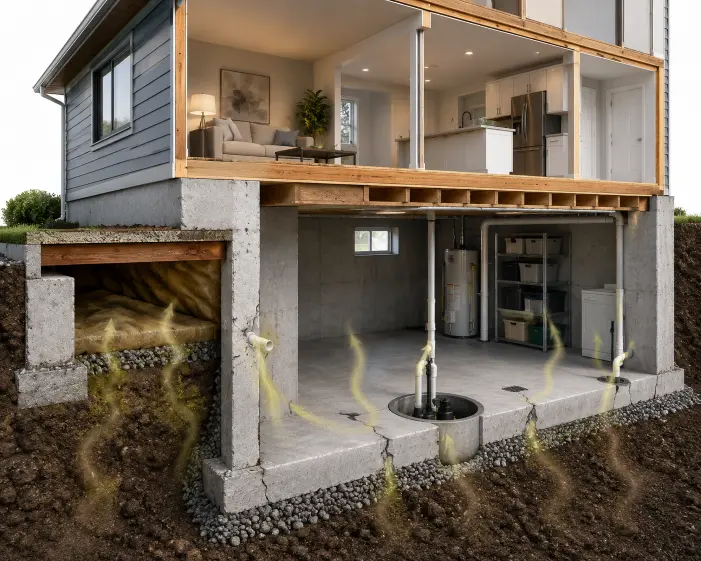
Most radon enters a home from the ground beneath it. As warm indoor air rises and escapes through the roof or upper parts of the building, it can create a slight pressure difference that draws soil gases, including radon, into the home through small openings in the foundation.
Common entry points include:
- Cracks in concrete floors and foundation walls
- Construction joints
- Gaps around water, gas, and electrical service pipes
- Sump pump openings
- Crawl spaces
- Floor drains
- Cavities inside walls
- Small gaps around utility penetrations
These openings may appear insignificant, but they can provide pathways for soil gases to enter the building. Once indoors, radon may accumulate if it is not adequately removed through ventilation or mitigation systems.
Why energy-efficient homes can still have radon
Many homeowners assume that an energy-efficient home automatically provides healthier indoor air. While energy-efficient construction offers many benefits, it does not eliminate radon.
Modern homes are often built with tighter building envelopes to reduce unwanted air leakage. This improves heating and cooling efficiency but may also reduce the natural exchange of indoor and outdoor air. If radon enters the building, lower ventilation rates can allow the gas to remain indoors longer than it otherwise would.
This does not mean that energy-efficient homes are more dangerous than older homes. In fact, both new and old homes can have elevated radon levels. Factors such as local geology, soil conditions, foundation design, construction methods, and ventilation all influence how much radon may be present.
The only reliable way to determine whether your home has elevated radon gas levels is through testing.
Who may be most affected by radon exposure?
Anyone living, working, or spending significant time in a building with elevated radon levels may be exposed. However, the potential health risk generally increases with both the concentration of radon and the length of time a person is exposed.
People who spend more time in basements or ground-floor rooms may experience greater exposure because radon commonly enters buildings from the soil beneath them.
According to health authorities, long-term radon exposure is one of the leading causes of lung cancer among people who have never smoked. The risk is generally higher for smokers because the combined effects of smoking and radon exposure increase the likelihood of developing lung cancer.
Although radon gas exposure does not usually cause immediate symptoms, prolonged exposure over many years may increase health risks. This is why health organizations around the world encourage testing, even in homes where no obvious signs of a problem exist.
Test your home before choosing a radon solution
Because radon cannot be seen, smelled, or tasted, testing is the only dependable way to determine whether elevated levels are present inside a home. A home’s age, appearance, energy efficiency, or location alone cannot accurately predict indoor radon concentrations.
Short-term radon gas tests can provide relatively quick results and are often used for initial screening. Long-term tests remain in place for a longer period and generally provide a better picture of average radon exposure because they account for normal day-to-day and seasonal variations.
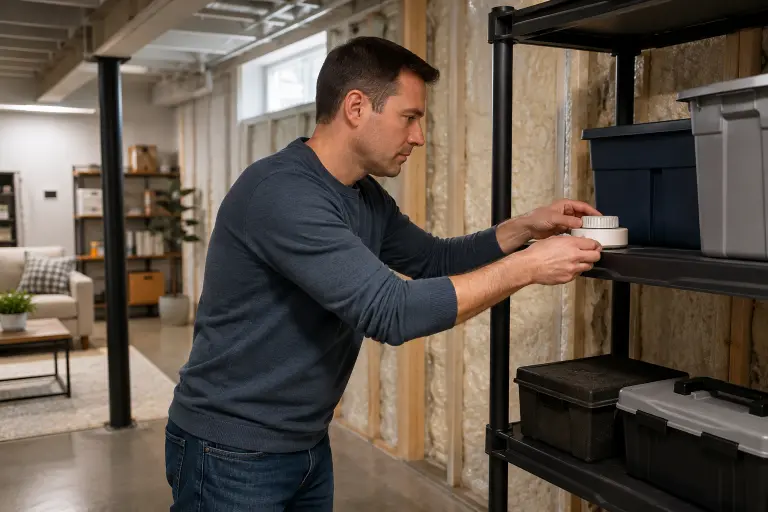
When using a testing kit, carefully follow the manufacturer’s instructions to help ensure accurate results. If unusually high readings are recorded, a follow-up test may be recommended before deciding on the most appropriate mitigation approach.
Radon action levels vary by country because different health authorities use different guidelines. For example, the U.S. Environmental Protection Agency recommends considering action when radon levels are between 2 and 4 pCi/L and recommends mitigation at 4 pCi/L (148 Bq/m³) or higher. The World Health Organization and many national public health agencies also publish radon guidance, although their recommended reference levels may differ. Homeowners should consult their local environmental or public health authority for recommendations applicable to their region.
Regardless of the specific guideline used, reducing elevated radon gas levels as much as reasonably achievable is generally considered good practice.
Conclusion
An energy-efficient home can also be a healthy home when radon gas risks are properly managed. Since radon gas cannot be seen, smelled, or tasted, testing is the only reliable way to determine whether elevated levels are present. If a problem is identified, appropriate mitigation, sealing, and ventilation measures can help reduce exposure while maintaining your home’s energy efficiency. Regular retesting, especially after major renovations or structural changes, can help ensure your indoor environment remains safe over time.
Sources: