
 27. April 2026
BEST PRACTICES FOR SAFE BANKING AND FINANCIAL TRANSACTIONS.
Digital banking makes managing finances faster and more convenient. With just a smartphone or computer, you can transfer funds, pay bills, and access your accounts from anywhere. However, this convenience also comes with risks such as fraud. To stay protected, it is essential to remain cautious when handling financial transactions.
8 Key practices for safe banking and financial transactions
The following outlines essential practices to ensure safe banking and secure financial transactions:
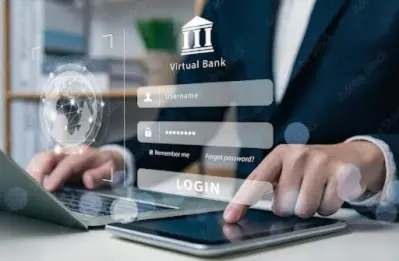
1. Secure your banking access
- Create a strong password using uppercase, lowercase, numbers, and special characters.
- Avoid using easily guessed information such as birthdays or names.
- Change passwords regularly (at least every 3 months).
- Never share login details with anyone.
- Avoid saving passwords or using auto-login on shared devices.
- Enable Two-Factor Authentication (2FA).
2. Use safe devices and networks
- Avoid logging into banking platforms on public computers.
- Do not use public Wi-Fi for financial transactions.
- Always log out after completing banking sessions.
- Never leave your device unattended while logged in.
- Install antivirus software and keep it updated.
- Keep your operating system and browser updated.
3. Monitor your accounts regularly
- Check account balances and transactions frequently to monitor transactions.
- Review transfer history and account activity to ensure the transactions were made by you. This helps confirm that no one else is accessing your account or making transfers without your consent.
- Enable alerts for transactions and password changes in your banking apps. Alerts notify you instantly of any activity, allowing you to act quickly if something seems suspicious.
- Immediately report suspicious activity to your bank. Prompt reporting increases the chances of stopping fraudulent transactions and recovering your funds.
- Verify all charged amounts after payments. Checking receipts and debits ensures you were charged correctly and helps detect errors or hidden charges.

4. Use trusted banking applications and platforms
- Download and access banking services only through official apps and websites.
- Ensure the website has a padlock icon and the URL begins with “https://”. This indicates the connection is secure and helps protect your data from interception.
- Keep apps and devices updated. Updates fix security vulnerabilities, improve protection against new threats, and help prevent hackers from exploiting outdated software.
5. Stay alert to fraud and scams
- Never share PINs, OTPs, or passwords via phone, email, or messages.
- Be cautious of impersonation attempts from “bank officials.”
- Do not respond to urgent or threatening messages.
- Avoid offers that seem too good to be true.
- Watch for “shoulder surfing” in public spaces.
6. Verify every transaction before sending money
- Confirm recipient details before transferring funds.
- Double-check account numbers and payment amounts.
Conclusion
Safe banking requires awareness, caution, and consistency. While digital banking offers speed and convenience, it also demands responsible financial behavior. Staying informed and vigilant ensures safe and confident banking.
Sources