
 06. April 2026
ESSENTIAL CYBERSECURITY HABITS EVERYONE SHOULD FOLLOW IN 2026.
Cybersecurity in 2026 has evolved far beyond traditional virus protection. Today, individuals and organizations must contend with AI-driven scams, increasingly sophisticated identity theft, and continuous risks to personal data. Recent findings highlight that human error remains a major vulnerability, accounting for a significant share of security breaches, while the financial impact of these incidents continues to climb each year.
5 essential cybersecurity habits
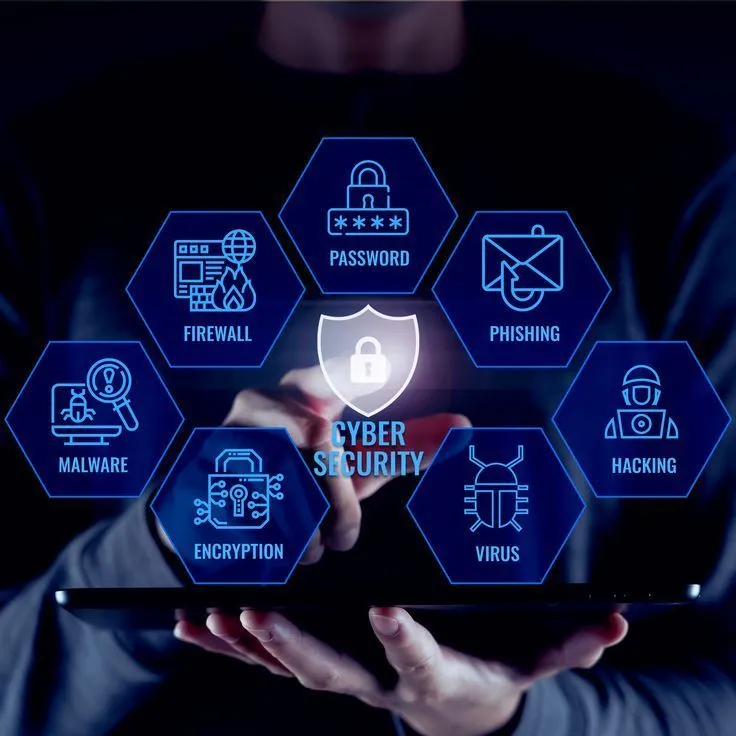
Here are 7 essential cybersecurity safety habits you need to follow in 2026:
1. Keep devices secure at all times
Use a PIN, password, fingerprint, or facial recognition to prevent unauthorized access. Enable automatic locking after a short period of inactivity. Small habits like this can prevent major security problems before they happen.
2. Always verify sensitive requests
Cybercriminals often pose as trusted individuals or organizations to trick people into sharing confidential information. These requests are usually designed to feel urgent and convincing. Instead of reacting immediately, verify the request through official channels like a company’s website or a direct phone call. This extra step can prevent you from falling victim to social engineering scams.
3.Use separate emails for better control
Managing your online presence becomes easier when you separate your communications. Using a secondary email address for sign-ups, promotions, and newsletters helps reduce spam and limits exposure to potential data breaches. Keeping your primary email private ensures that important messages remain secure and easier to manage.
4.Don’t overlook physical device security
Digital safety isn’t just about what happens online; physical security matters too. Leaving your devices unattended in public places or using unknown USB charging ports can expose you to risks like unauthorized access or data theft. Being mindful of where and how you use your devices adds another important layer of protection.
5.Stay alert to AI-powered scams
One of the biggest cybersecurity challenges today is the rise of AI-driven scams. From voice cloning to highly realistic phishing emails, these threats are designed to appear trustworthy and urgent. The best defense is to slow down and verify. If something feels unusual, confirm it through a trusted source like a known phone number, a verified website, or direct contact with the sender before taking action.
Conclusion
The difference between being secure and being vulnerable in 2026 comes down to one thing: consistent habits. These tech safety habits 2026 requires go beyond basic cybersecurity tips, they form a complete system for protecting your identity, devices, and data in an AI-driven world.
Sources & References (2024–2026)
- Verizon: 2025 Data Breach Investigations Report
- IBM Security: Cost of a Data Breach Report 2024–2025
- ENISA: Threat Landscape Reports (2024–2025)
- Cybersecurity and Infrastructure Security Agency: Cyber Hygiene Guidelines
- National Institute of Standards and Technology: Digital Identity & Password Guidelines
- Microsoft: Security Best Practices & Threat Intelligence
- Google: Safer Internet & Account Security Recommendations