 31. July 2025
PREVENTING CARBON MONOXIDE POISONING IN YOUR HOME: PRACTICAL GUIDE
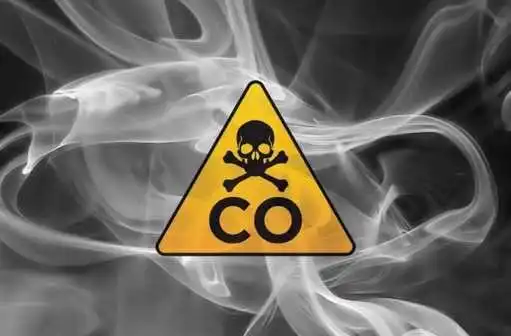
Carbon monoxide (CO) is an odorless, colorless gas produced by the incomplete combustion of fuels. When inhaled, CO replaces oxygen in the bloodstream, leading to poisoning. Because it has no smell, taste, or visible signs, CO is virtually undetectable without proper equipment. This makes it especially dangerous, as the gas can accumulate indoors without notice. To make matters worse, the early symptoms of Carbon monoxide poisoning appear similar to the flu, leading many people to overlook the warning signs. The good news is that carbon monoxide poisoning is preventable. This guide explains how to protect your home and loved ones from this invisible threat.
Common Sources of Carbon Monoxide in the Home
CO is produced whenever fuel burns. Homes with fuel-burning appliances or attached garages are particularly at risk. Common sources include:
- Clothes dryers
- Water heaters
- Furnaces or boilers
- Fireplaces (gas or wood-burning)
- Gas stoves and ovens
- Motor vehicles
- Grills, generators, and power tools
- Lawn equipment
- Wood stoves
Appliances that burn fuel can develop leaks, causing CO to seep into your home. That’s why local fire and building codes require CO detectors in new buildings and when installing appliances like boilers and water heaters.

How Can You Protect Your Family from Carbon Monoxide Poisoning?

1. Properly Vent and Maintain Fuel-Burning Appliances
Know which appliances in your home burn fuel and ensure they are properly vented and maintained. Every fuel-burning appliance should be vented outdoors, and it’s essential to have them inspected annually by a qualified heating contractor.
Watch for warning signs of potential CO problems:
- Soot streaks around appliances
- Fallen soot in fireplaces
- Poor draft in chimneys
- Excess condensation on windows or walls
- Rust on flue pipes or appliance vents
- Orange or yellow flames (a healthy flame should be blue)
- Cracked or discolored chimney bricks
Important safety reminder: Never use outdoor equipment such as grills or generators inside your home or garage, as doing so can lead to dangerous carbon monoxide buildup. Similarly, never use your oven to heat your home; this practice poses both a fire risk and a serious carbon monoxide hazard.
2. Learn to Recognize the Symptoms of Carbon Monoxide Poisoning
Many people may not realize they are being poisoned until it’s too late. Early symptoms of carbon monoxide poisoning may include a mild headache and shortness of breath during physical activity. With continued exposure, more severe symptoms can develop, such as dizziness, fatigue, nausea, confusion, irritability, poor coordination and judgment, and even loss of consciousness. Recognizing these warning signs early can be lifesaving.

3. Install and Maintain Carbon Monoxide Alarms
CO alarms should meet the latest UL (Underwriters Laboratory) standards to ensure reliability and effectiveness. To use them properly, follow the manufacturer’s instructions for correct placement in your home. Replace alarms according to the recommended timeline provided by the manufacturer. Test them monthly, and unless your alarm is equipped with a 10-year sealed battery, be sure to replace the batteries at least once a year.
Conclusion
Carbon monoxide is a silent but deadly threat. By taking a few simple but crucial steps, like properly maintaining appliances, recognizing early symptoms, and installing CO alarms, you can significantly reduce the risk to your family. Don’t wait for a warning sign. Make carbon monoxide safety a priority in your home today.