 07. July 2025
HOW TO CREATE A VERTICAL GARDEN IN SMALL SPACES
You don’t need a big backyard to enjoy a lush, thriving garden. Vertical gardening is a smart, space-saving solution that allows you to grow flowers, herbs, and even vegetables, even in the smallest of spaces. Whether you have a balcony, patio, or just a sunny wall, a vertical garden can add color, texture, and freshness to your environment without taking up much room. By using vertical structures like trellises, walls, hanging racks, and fences, plants can grow upward instead of outward. This technique is perfect for small spaces, and it’s easier to get started than you might think. This guide provides you with steps on how to actualize this.
What Is a Vertical Garden?
A vertical garden is simply growing plants upwards, utilizing a supportive structure to defy traditional flat garden beds. Instead of occupying floor space, your plants climb, cascade, or nestle into containers arranged vertically. It’s about maximizing every inch of available space to cultivate your dream garden.
Why Choose a Vertical Garden?
Embracing vertical gardening offers a surprising array of advantages, especially for those navigating smaller living areas. These advantages include:
Small Spaces: This is perhaps the most obvious benefit! If your outdoor space is limited to a balcony or a small deck, or if you’re keen to add more greenery indoors without cluttering floors, vertical gardens are the best option.
Smart Water Conservation: Many vertical garden designs inherently help you save water. Systems where water drips from upper layers down to the plants below ensure efficient hydration, minimizing waste, and making watering quicker.
Easier Accessibility: For gardeners who might find bending or kneeling challenging, vertical gardens bring plants up to a more comfortable height. This makes planting, watering, and harvesting much more accessible and enjoyable.
Enhanced Aesthetics: A living wall adds immediate visual appeal, acting as organic art that beautifies any space. Beyond just looks, a strategically placed vertical garden can also offer a lovely natural screen.
Improved Air Quality: Especially for indoor vertical gardens, plants naturally help to purify the air, contributing to a fresher and healthier home environment.
Best Plants for Vertical Gardens
Not all plants thrive in vertical setups, so choosing the right ones is key. Here’s what works best:
- Trailing & Vining Plants: like Pothos, ivy, and philodendrons.
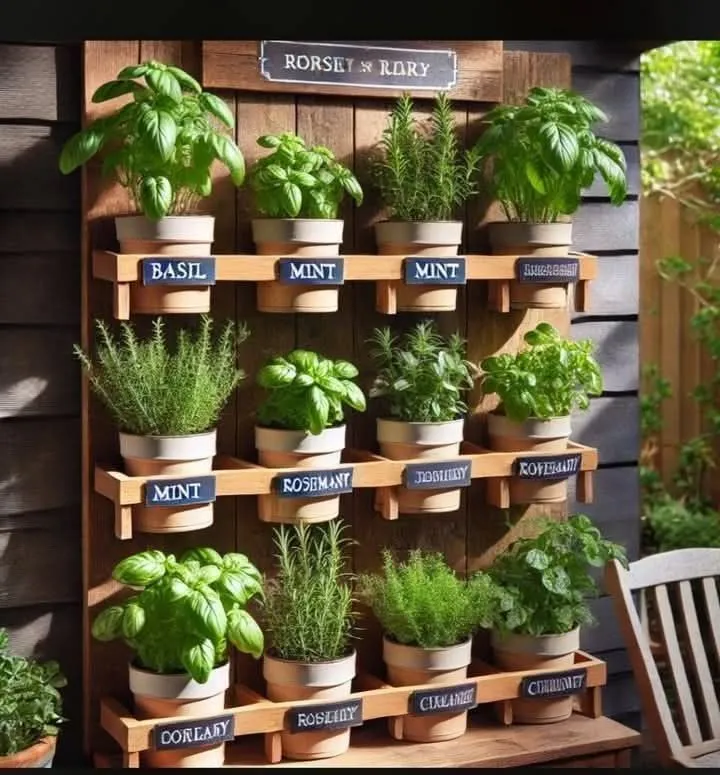
- Herbs, like Mint, parsley, rosemary, and thyme, grow well in shallow containers.
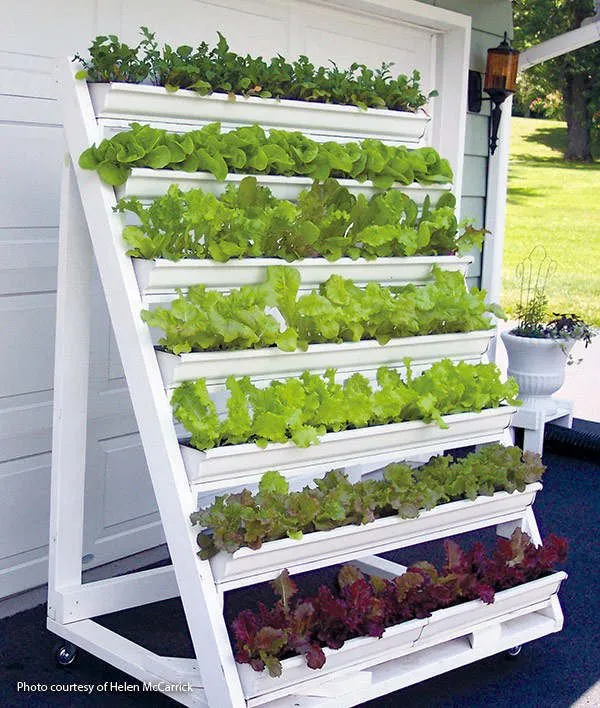
- Leafy Greens, like Lettuce, spinach, and kale, have compact root systems.
- Annual flowers like Petunias, begonias, and nasturtiums add color.
Avoid deep-rooted vegetables like tomatoes or carrots, as they need more soil than vertical setups.
Creative Vertical Garden Ideas for Every Space
Ready to get inspired? Here are some popular and inventive ways to build your vertical masterpiece:
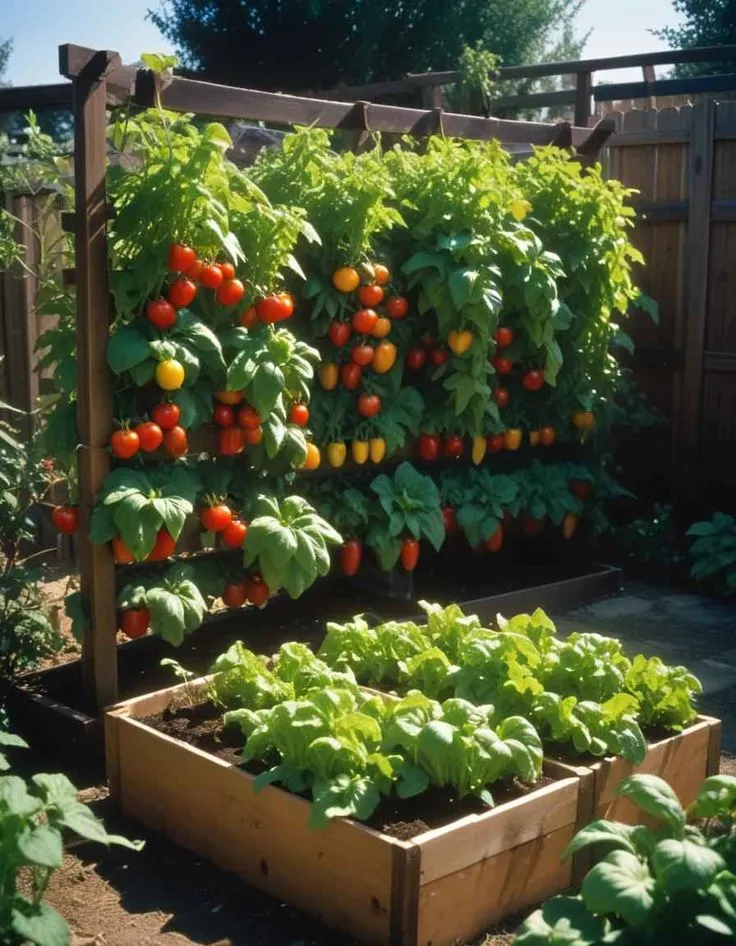
- Install a Trellis: A classic choice, trellises are perfect for adding greenery to bare walls or fences. Grow beautiful flowering vines or vining vegetables on it. You can even find trellises integrated with planters or benches for multi-functional appeal.
- Use Hanging Baskets: Hanging baskets are incredibly versatile for small spaces. Fill them with trailing flowers, herbs, or even strawberries. They’re easy to install and require minimal maintenance beyond regular watering.
- Create a Stacked Display: Don’t have room for multiple pots side-by-side? Go upwards! You can find specially designed stackable planters, or simply arrange various-sized pots in a tiered formation on a stand or even an old step stool. This works wonderfully for different herbs.
- Utilize a Hanging Rack or Shelves:
- Functional Racks: Choose a specialized hanging rack with slots that securely hold pots. These can be freestanding or wall-mounted, acting as both a garden and a decorative piece.
- Floating Shelves: Install floating shelves. Arrange potted plants strategically so their foliage or vines can spill over and fill the space as they grow, creating a dynamic, living art display.
- Repurpose a Ladder: Give an old, sturdy ladder a new life! Lean it against a wall (secure it for safety!) and place potted plants on each rung. This creates a charming, rustic display and makes watering multiple plants easy.
- Install Window Boxes: Window boxes are excellent for growing shallow-rooted plants like herbs, annual flowers, or small leafy plants. Remember to consider your home’s exterior material when mounting; brick or stucco may require drilling and anchors for secure installation.
Conclusion
A vertical garden is more than just a space-saver; it’s a way to reconnect with nature in even the smallest of homes. With a little creativity, you can turn any blank wall or cramped corner into a thriving garden.