 30. June 2025
HOW TO CLEAN AND CARE FOR BEDROOM LINENS
Have you ever considered how much time we spend in bed? On average, people can spend anywhere from 11 to 16 hours in bed each day, whether sleeping, relaxing, or engaging in other activities. This significant amount of time highlights precisely why the hygiene of our bed linens deserves serious attention. Keeping your bedding clean offers a range of benefits, including improved sleep quality, a reduced risk of infection, extended bedding longevity, enhanced bedroom aesthetics, and a more restful, inviting environment.
Sheets, pillowcases, duvet covers, and blankets all need regular care, though the best cleaning method for each varies based on its material. This article provides a comprehensive guide on how to clean and care for bedroom linens properly, ensuring your sleep space remains fresh and clean.
General Tips for Cleaning Linens
Before you begin, always check the care label on your bedding. This important step will help you determine whether the linens can be safely washed at home or if they need special care, such as dry-cleaning. There are many types of bedroom linens. In this guide, we’ll walk you through the proper way to clean and care for bedroom linens, including bed sheets, pillowcases, duvet covers, and blankets.
How to Clean and Care for Bed Sheets
Keeping your bed sheets crisp and clean is simple with the right approach.
A. Washing practices for bedsheets: To ensure your bedsheets are fresh and hygienic, follow these washing guidelines:
- Frequency: Wash your bed sheets at least once a week.
- Stain Pre-Treatment: For any visible or stubborn stains (e.g., blood, sweat), use a fabric-safe pre-wash stain remover to treat them before laundering.
- Separate Loads: Always wash bed sheets in a separate load from comforters, towels, and other clothing items. This prevents tangling and ensures thorough cleaning, while also avoiding overloading the washer to enhance efficiency.
B. Drying bedsheets: Proper drying techniques prevent damage and maintain freshness. Here are a few drying techniques:
- Dry on low heat: Most sheets can be dried on a low heat setting. Avoid high temperatures or over-drying, as this can cause fabric damage and premature wear.
- Prevent Tangling: Add rubber or wool dryer balls to the load to help ensure even drying and prevent sheets from balling up.
- Delicate Fabrics/Air Freshness: For delicate materials like silk or satin, line drying is recommended. If line drying isn’t feasible, use your dryer’s “no-heat” or “air-dry” setting.
C. Storing & brightening bedsheets: Proper storage keeps sheets fresh, and a few tricks can restore their brightness:
- Storage: Once clean and dry, fold and stack sheet set neatly. Store them in a cool, dry area to keep them free from moisture or dust.
- Brighten White Sheets: If white cotton sheets become dingy or yellowed over time (due to body oils, sweat, etc.), add about half a cup of bleach during a regular wash cycle. Add it via the dispenser or during the final rinse. Always ensure your fabric is bleach-safe by checking the care label.
How to Clean and Care for Pillowcases
Pillowcases are often exposed to oils from our skin and hair, making frequent cleaning essential.
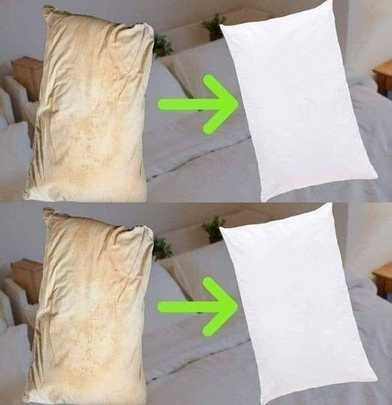
A. Washing Best Practices for Pillowcases: For optimal hygiene, wash your pillowcases as often as your bed linens, ideally once a week. They can usually be washed alongside other bed linens of similar fabric and color. Before washing, remember to pre-treat any visible stains like makeup, hair products, or sweat marks with a fabric-safe stain remover to ensure thorough cleaning.
B. Drying and Ironing Pillowcases: Once washed, you can dry pillowcases on low heat in a dryer or line dry them, always following the specific care instructions for their fabric. For a crisp, polished finish, iron pillowcases while they’re still slightly damp, using the appropriate heat setting for the material.
C. Storing Pillowcases Properly: To keep your pillowcases fresh and ready for use, store them neatly folded with their corresponding sheet sets or in a dedicated linen drawer. Ensure the storage area is cool and dry to prevent any moisture buildup or dust accumulation.
How to Clean and Care for Duvet Covers
Duvet covers protect your duvet; it is easier to clean than the duvet itself.
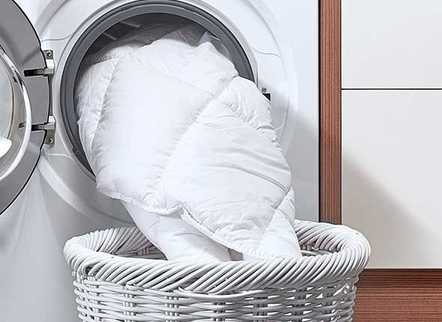
A. Washing Best Practices for Duvet Covers: To keep them fresh and extend their longevity, proper washing is essential. Here’s how to do it effectively:
- Frequency: Wash duvet covers every 2-4 weeks.
- Preparation: Before washing, unbutton or unzip the cover and turn it inside out. This helps protect buttons/zippers and allows for more thorough cleaning.
- Load Size: Duvet covers can be bulky, so wash them in a separate load to avoid overloading your machine.
- Temperature & Cycle: Check the care label for specific instructions, but generally, cotton duvet covers can be washed in warm or hot water on a normal cycle. More delicate materials will require colder water and a gentle cycle.
B. Drying and Ironing Duvet Covers: To keep your duvet cover looking its best and to preserve its fabric, proper drying and ironing are essential steps. Follow these tips:
- Drying: Dry on low heat; due to their size, they might take longer to dry. Adding dryer balls can help prevent tangling.
- Ironing: If desired, iron on a suitable heat setting while slightly damp for a smooth finish.
C. Storing Duvet Covers Properly: To keep your duvet covers fresh and accessible, fold them neatly and store them in a linen closet or drawer. If you own multiple sets, a great tip is to store the duvet cover with its matching sheets and pillowcases; this keeps complete sets together and makes changing your bedding much easier.
How to Clean and Care for Blankets
Properly caring for your blankets is essential to maintain their coziness. Since different materials, such as wool, cotton, require unique cleaning methods, understanding how to treat yours is key.
A. Washing Best Practices for Blankets: When washing blankets, it’s crucial to follow material-specific guidelines. Cotton and fleece blankets are typically machine washable; simply use a gentle cycle with cold or warm water. For wool blankets, opt for cold water on a delicate or wool cycle, using a wool-specific detergent, and always avoid agitation or hot water to prevent shrinking. If you have a very large or heavy blanket, consider using a commercial-sized washing machine at a laundromat.
B. Drying and Ironing Blankets: Proper drying techniques are crucial to prevent damage and maintain your blanket’s quality. Cotton and fleece blankets can typically be dried on low heat. However, wool blankets should be air-dried or on a no-heat or air-fluff setting to avoid shrinking and preserve their texture. Most blankets don’t require ironing, but if you choose to iron, always check the care label for fabric-specific heat settings.
C. Storing Blankets Properly: To keep your blankets fresh and ready for use, ensure they are completely dry before storing to prevent mildew. Fold them neatly and store them in linen closets, blanket chests, or even vacuum-seal bags for long-term protection against dust and odors.
Conclusion
Mastering how to clean and care for bedroom linens is a simple yet impactful way to enhance your well-being and maintain the beauty of your home. A little consistent effort goes a long way in transforming your bed into a clean, comfortable one.