


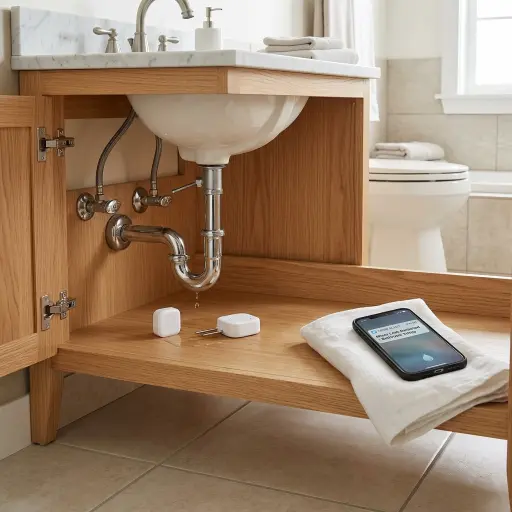

A pinhole leak under a sink or a slow drip behind a water heater rarely announces itself. By the time you notice warped flooring or a musty smell, the damage may already be done. Smart leak detectors help close that gap by alerting you when unexpected moisture appears. For most homeowners, the answer is yes: a smart leak detector can be a worthwhile investment. The value comes from detecting problems early, before a small leak becomes expensive water damage.
What Does a Smart Leak Detector Do?
A smart leak detector is a small sensor that monitors an area for unexpected moisture. Unlike traditional battery-powered alarms that simply sound when they detect water, smart models can connect to a home network and send alerts to your smartphone. Some sensors use conductive probes that trigger when water bridges a circuit. Others use cable or rope sensors to monitor a longer area, such as along a basement wall.
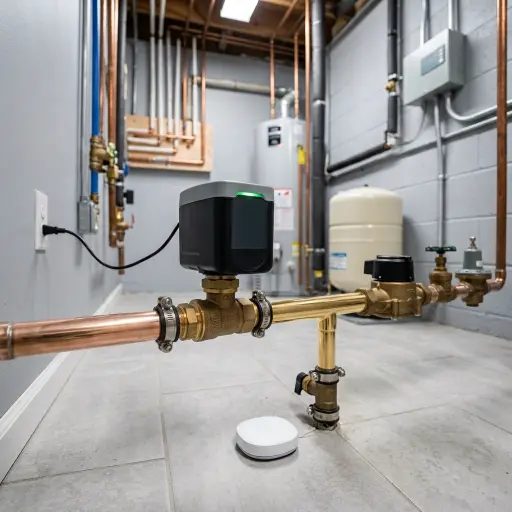
More advanced systems monitor water flow and pressure throughout the plumbing. These systems can identify unusual water use even before water reaches a floor sensor. Some also connect to automatic shut-off valves that can close the main water supply when a significant leak is detected.
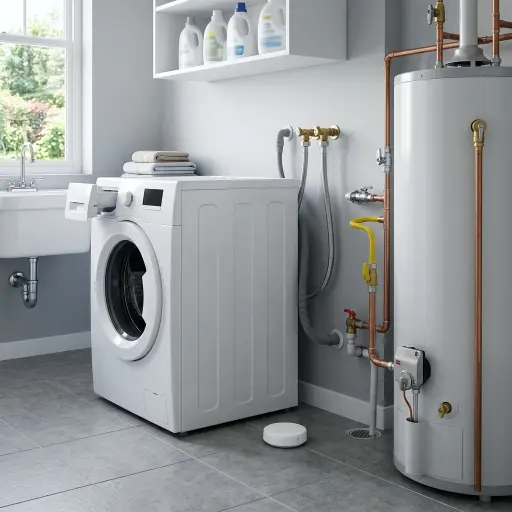
Where Should You Install Leak Detectors?
You don’t necessarily need a sensor in every room. Focus first on areas where leaks are more likely to occur or where water damage could spread quickly.
Good locations include:
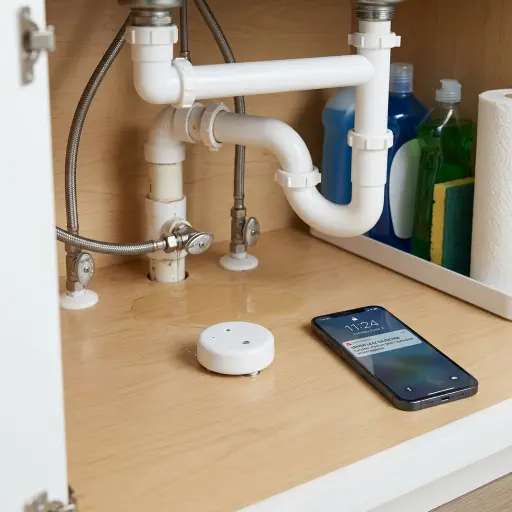
- Under kitchen and bathroom sinks
- Behind toilets
- Near washing machines and dishwashers
- Around water heaters
- Under refrigerators with water lines
- In basements and near sump pumps
- Near HVAC condensate drains
Starting with these high-risk areas can provide useful coverage without requiring a large investment.
Are Whole-Home Shut-Off Systems Worth the Extra Cost?
Basic spot sensors are relatively inexpensive and can often be installed without professional help. Whole-home systems cost more because they typically include an automatic shut-off valve installed on the main water line.
The additional protection can be especially valuable if you:
- Travel frequently
- Own a vacation property
- Leave your home vacant for extended periods
- Have older plumbing
- Have experienced water damage before
A whole-home system can respond to certain serious leaks even when you’re not home to receive an alert or shut off the water yourself.
What Smart Leak Detectors Can’t Do
A leak detector is an early-warning device, not a plumbing repair solution. It cannot fix a corroded pipe, prevent an aging water heater from failing, or repair a damaged fitting. Once a detector identifies a leak, you’ll still need to locate the source and make the necessary repair. For significant plumbing problems, that may mean calling a licensed plumber.
Routine plumbing maintenance remains important because inspections can identify corrosion, deterioration, and other problems that a moisture sensor cannot detect before a leak occurs.
Could a Leak Detector Lower Your Insurance Costs?
Some insurance providers offer discounts for approved water-monitoring or automatic shut-off systems. However, eligibility and discount amounts vary by insurer and policy.
Before buying a system specifically for an insurance discount, check with your provider to confirm whether the device qualifies. Even without a discount, the potential benefit of detecting a significant leak early may make the investment worthwhile.
Conclusion
Smart leak detectors won’t stop pipes from aging or appliances from failing, but they can reduce the time between a leak starting and someone discovering it. For homeowners with older plumbing, vacant or vacation properties, or previous water-damage problems, that early warning can be especially valuable.
For most homes, a few strategically placed sensors provide an affordable layer of protection. Combined with routine plumbing maintenance, leak detection can help turn a potentially costly water emergency into a problem you discover early and address quickly.
Sources: