


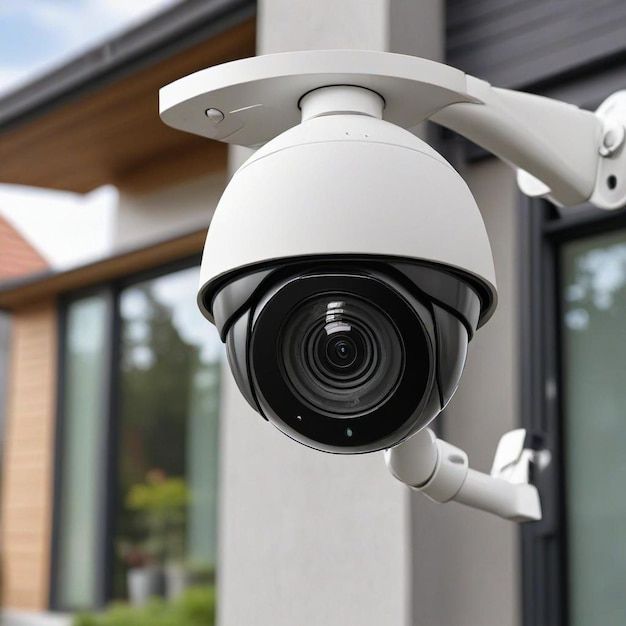

Today, where safety and peace are top priorities, surveillance systems have become an essential part of protecting homes and businesses. When properly installed and managed, security cameras not only deter criminal activity but also preserve evidence, enhance situational awareness, and improve overall safety and security. By following best practices, you can maximize the effectiveness of your security system while ensuring privacy and operational efficiency.
1. Define your purpose and coverage areas
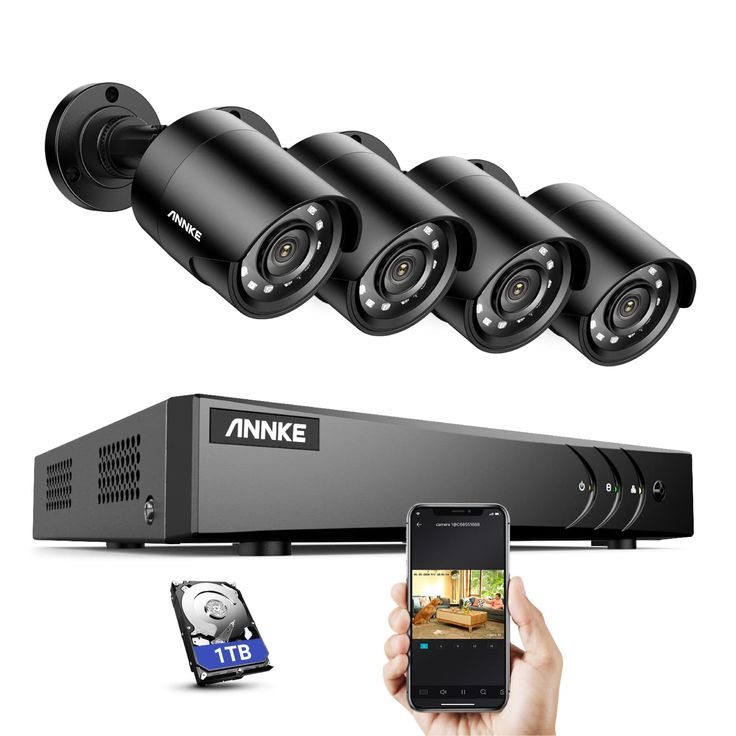
Before installing any security cameras, clearly identify your goals. Are you monitoring entry points, protecting valuable assets, or overseeing high-traffic areas? A well-thought-out plan helps determine the number of cameras you need and where they should be positioned. Focus on covering high-risk zones, such as entrances, exits, and parking lots, rather than placing cameras randomly. Strategic planning ensures comprehensive coverage and minimizes blind spots.
2. Position security cameras for maximum effectiveness
Proper placement is key to achieving clear and useful footage. Mount cameras at an optimal height, typically between 8 and 10 feet for residential use, to capture facial details while reducing the risk of tampering. Avoid aiming security cameras directly at bright light, such as windows or the sun, as this can cause glare, lead to overexposure, and distort the image. Take time to test viewing angles to confirm that each camera captures the intended area clearly.
3. Secure the system from cyber and physical threats
With most modern security systems connected to networks, cybersecurity is as critical as physical protection. Use strong, unique passwords, enable encryption, and regularly update firmware to prevent unauthorized access. Whenever possible, isolate the camera network from your main Wi-Fi to enhance security. Physically, ensure cameras are firmly mounted, and set up tamper alerts or maintenance notifications to detect downtime or interference.
4. Maintain proper lighting and image quality
Image clarity depends heavily on lighting. Ensure that all monitored areas have consistent illumination and that your security cameras are equipped for low-light or infrared conditions when necessary. Regular maintenance is equally important, including cleaning lenses, removing dust and cobwebs, and checking for obstructions that may block the view. Consistent upkeep guarantees that recorded footage remains sharp and reliable.
5. Establish clear management, retention, and privacy policies
Installing security cameras is only the first step; effective management ensures long-term reliability and compliance. Develop clear guidelines outlining who can access live feeds, how long recordings will be stored, and how personal privacy will be protected. These guidelines not only safeguard sensitive data but also help you comply with local laws and regulations regarding privacy. Maintaining transparency builds trust with employees, customers, and visitors.
Conclusion
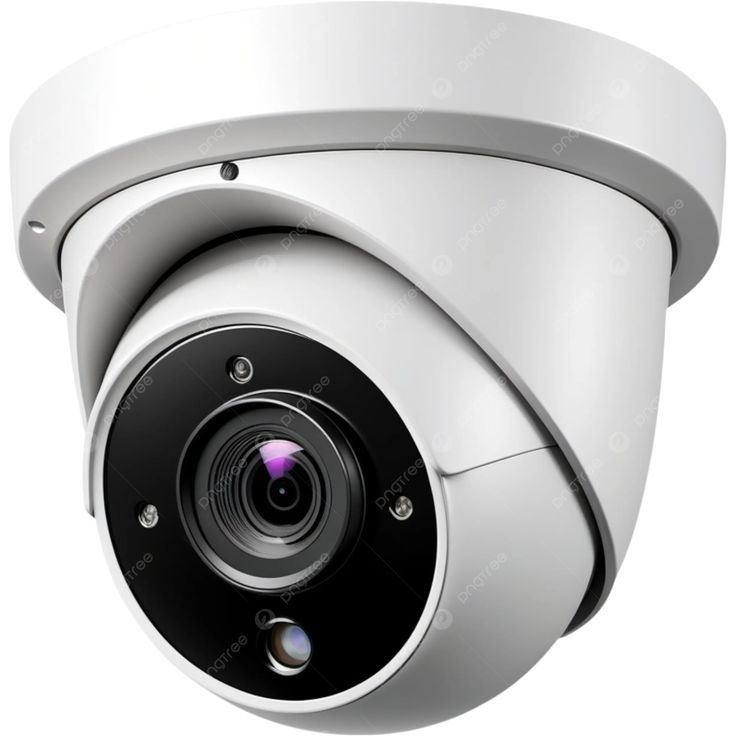
Implementing a security camera system is a strategic investment, not just a technical task. By setting clear objectives, positioning cameras thoughtfully, securing the system against both digital and physical threats, and maintaining image quality, you can maximize your surveillance system’s effectiveness. When these best practices are consistently applied, they deliver stronger protection, dependable oversight for both individuals and their properties.