
Welcome to our page on myths, prevention, and pest identification! Here, we provide helpful advice for recognizing typical pests, easy preventative techniques, and an examination of some widespread pest control fallacies. We’re here to help you maintain your area pest-free and dispel any myths you may have about pests, from ants and rats to anything that crawls. Explore and learn more!
-
HOW TO IDENTIFY AND CONTROL SCALE INSECTS.
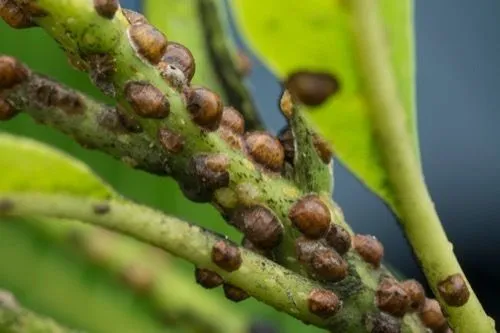
Scale insects are among the most persistent and elusive garden pests. Often resembling small bumps or shells rather than living creatures, they can drain the life from your favorite plants before you even realize they are there. Here is a comprehensive guide on how to identify and control these sap-sucking invaders. 1. Identification of scale insects Scale insects are often overlooked because they are largely immobile and blend into the bark or leaves of their host plants. Physical Appearance Symptoms of Infestation 2. Control Methods: From Natural to Chemical Scale insects are most difficult to kill once they have formed…
-
HOW TO IDENTIFY AND CONTROL CUTWORMS.
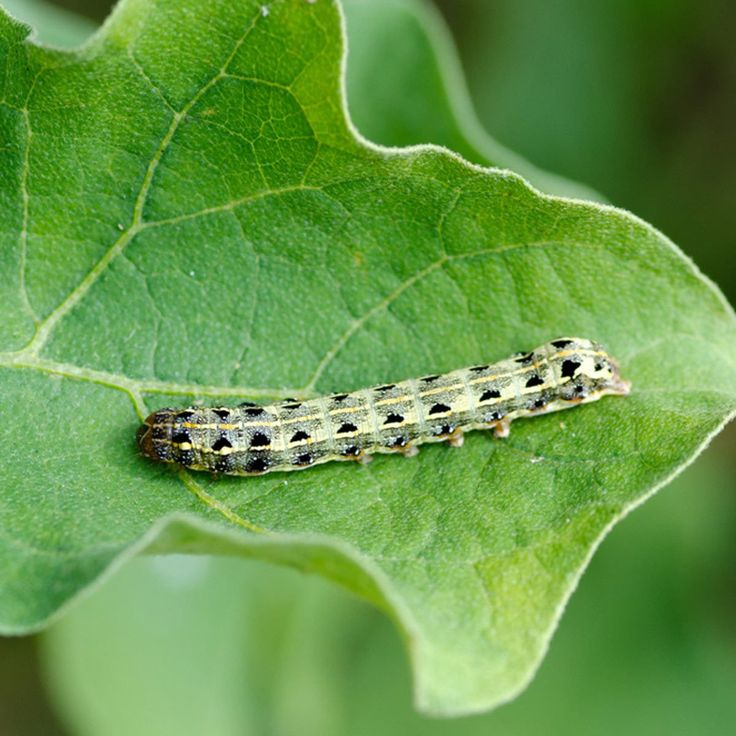
Few things are more frustrating for a gardener than finding young seedlings chewed or cut at the soil line. The culprit is often the cutworm, a caterpillar-like larva of certain moths. Unlike other pests, cutworms can completely destroy a young plant overnight. This guide explains what cutworms are and how to stop them using safe, easy methods, no chemicals needed, so your garden stays healthy and safe for the whole family. How to recognize Cutworms Knowing what to look for makes controlling cutworms much easier. Here’s what you should know: Physical and Cultural Methods Cutworms primarily target vulnerable, young seedlings,…
-
IDENTIFYING AND PREVENTING BLOSSOM END ROT
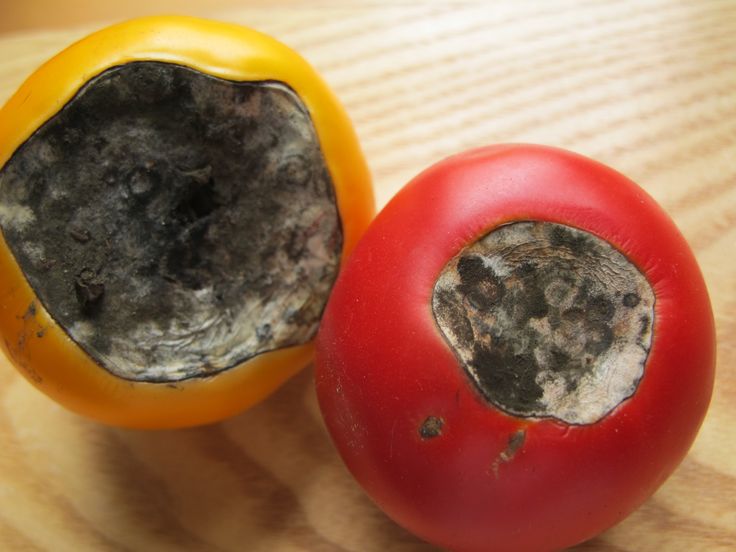
Blossom end rot (BER) is a common plant growth problem that affects tomatoes, peppers, eggplants, and squash. It occurs when calcium doesn’t reach developing fruits, typically due to inconsistent watering or soil imbalance. It is not a disease or pest issue, just a plant responding to stress. Identifying Blossom End Rot A dark, sunken, or water-soaked patch begins to form at the bottom of the fruit. As it progresses, the spot turns black, dry, and leathery. Once a fruit is affected, it cannot recover, so it’s best to remove it and allow the plant to redirect its energy into producing…
-
HOW TO IDENTIFY AND PREVENT TERMITE DAMAGE
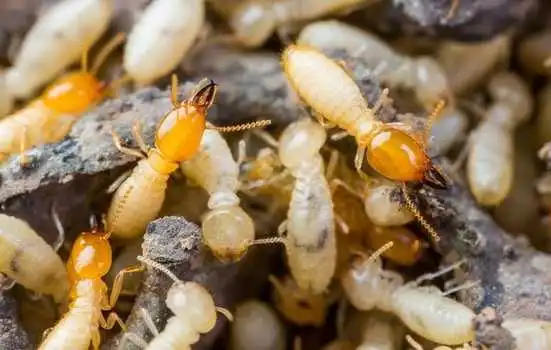
Termites are among the most destructive pests in homes worldwide. They can silently cause severe damage to wooden structures, furniture, and even the foundations of buildings. Because termites often stay hidden, many homeowners only discover them after extensive damage has already occurred. Identifying early signs of termites and preventing infestations are essential steps in protecting your property. How to Identify Termites and Their Damage The first step in protecting your home from termites is knowing what to look for. Because termites often stay hidden in damp or dark areas, early detection requires careful inspection and attention. Start by doing the…
-
10 Drought-Tolerant Plants
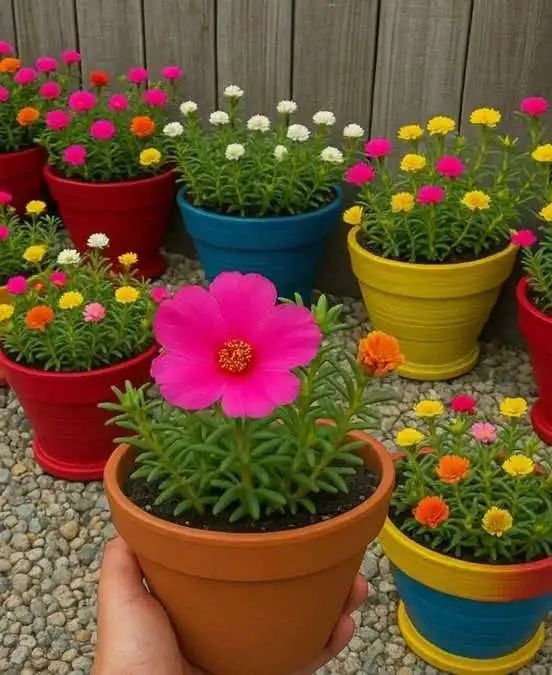
Water-wise gardening isn’t just smart, it’s essential. With unpredictable weather and rising water concerns, selecting plants that require minimal watering can save time, money, and effort. Drought-tolerant plants, also called xeriscape plants, bring beauty, texture, and color to your garden without demanding constant care. Here are 10 of the best drought-tolerant plants, and some beginner-friendly tips to help them thrive. 10 Drought-Tolerant Plants for Your Garden 1. Lavender Lavender is a fragrant Mediterranean classic, ideal for sunny, dry spots. Its silvery, slightly woolly leaves reflect sunlight and conserve moisture, while its scent naturally repels deer and rabbits. Plant in full…
-
HOW TO IDENTIFY AND CONTROL CABBAGE WORMS: A COMPREHENSIVE GUIDE
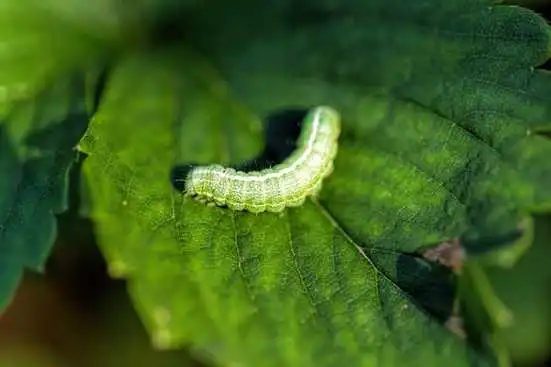
Cabbage worms are a gardener’s nemesis. These destructive caterpillars can quickly turn a healthy harvest of vegetables into a tattered mess. They feed on cruciferous vegetables such as cabbage, broccoli, kale, and cauliflower, causing significant damage by creating holes in leaves and tunneling into the plant’s core. Protecting your garden requires a proactive strategy that starts with early detection and a multi-pronged approach to control. The key is to act quickly; the sooner you intervene, the more effective your efforts will be. Identifying Cabbage Worms Cabbage worms are the caterpillars of several different moths and butterflies. While they all cause…
-
A COMPREHENSIVE GUIDE TO PREVENTING MOSQUITO-BORNE DISEASES
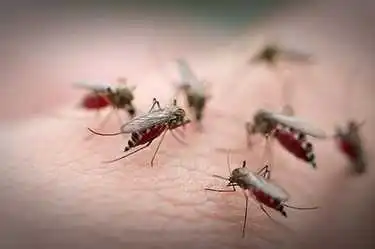
Mosquito-borne illnesses like dengue, Zika, and West Nile virus are a growing global health threat, causing widespread sickness and death. These diseases are expanding into new regions due to factors such as climate change, rapid urbanization, and increased global travel. The mosquito is considered the world’s deadliest animal, responsible for hundreds of thousands of deaths each year. Since there are often no specific treatments or widely available vaccines for many of these diseases, the best and most effective defense is preventing mosquito-borne diseases by avoiding mosquito bites. This guide presents a comprehensive approach that combines personal protection with community-level strategies…
-
HOW TO IDENTIFY AND CONTROL WHITEFLY: COMPREHENSIVE GUIDE
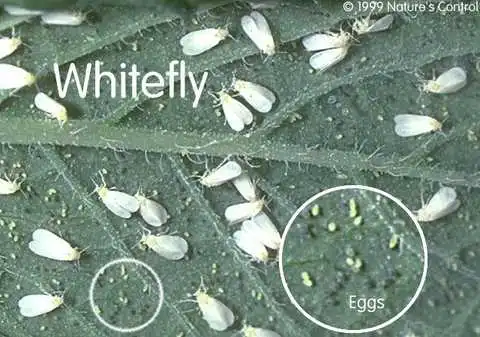
Have you ever been startled by a tiny, white cloud of insects taking flight when you brush against your garden plants? If so, you’ve likely encountered the whitefly, a common and persistent garden pest. This guide provides a comprehensive overview of how to identify a whitefly infestation, understand the damage they cause, and implement a multi-pronged strategy to get them under control. Successfully managing whiteflies requires a combination of vigilance, accurate identification, and a swift response using both natural and, if necessary, chemical methods. Understanding the Whitefly Menace Despite their name, whiteflies are not true flies. They belong to the…
-
TOP PET HEALTH CONCERNS EVERY PET OWNER SHOULD KNOW

Learning about the top pet health concerns helps you respond more effectively, reducing the need for emergency treatment. Our pets can’t tell us when something’s wrong, and many instinctively hide signs of pain or illness; therefore, it’s up to us to recognize these signs. Unlike humans, they may not cry out, limp, or show clear discomfort until a problem becomes serious. Instead, the earliest clues are often subtle, such as a change in appetite, altered sleep patterns, or low energy levels. Symptoms of Top Pet Health Concerns Knowing what to look out for can help you detect pets‘ illnesses early.…
-
THE IMPORTANCE OF CROP ROTATION FOR PEST PREVENTION

Managing insect pests in crops without using pesticides is no easy task for organic farmers. Organic farmers rely largely on good management practices, such as crop rotations, to keep pests in check. Crop rotation involves growing different crops in the same field in a sequence over time, alternating between two or more crops. By targeting pest lifecycles and reducing pest pressure over time, crop rotation helps create more resilient growing systems, improve soil health, and boost yields. This article explores the importance of crop rotation for pest prevention and provides a step-by-step guide to implementing it in your garden. Importance…
-
Identifying and preventing slug and snail damage
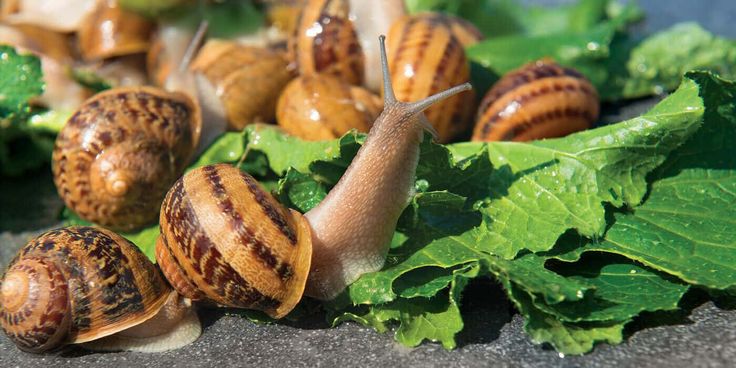
The most common garden plant pests are slugs and snails. They eat vegetables and ornamental plants, especially seedlings and leaves. Preventing slug and snail damage includes relying on a combination of methods such as cultural control (planting susceptible and resistant plants, hand picking, setting traps and barriers), biological control (predators), and chemical controls. Let’s discuss them in detail. Understanding Slug and Snail Damage: Appearance, Behavior It is important to identify these pests and examine the damage they cause. Slugs and snails are similar in structure (small and drab) and biology, except that slugs do not have the snail’s external spiral…
-
Are Cockroaches Harmful?
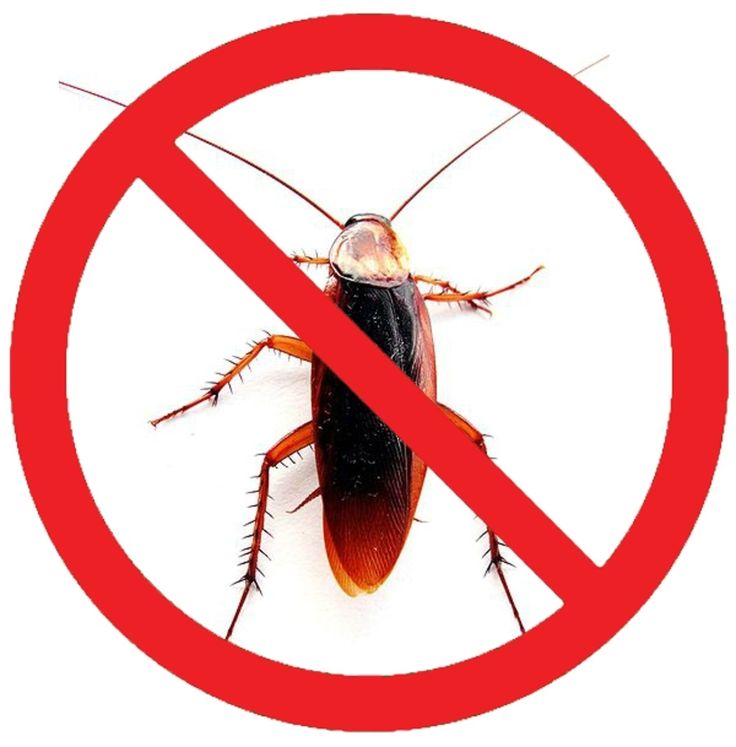
Cockroaches are often viewed as pests, but did you know they’re also carriers of diseases that can harm humans? These unwanted pests can contaminate food, surfaces, and air, spreading illnesses that can range from mild to severe. Diseases Cockroaches Carry Cockroaches can carry a variety of diseases, including: How Cockroaches Spread Diseases Cockroaches can spread diseases through: Signs of Cockroach Infestation To prevent cockroach-borne diseases, it’s essential to identify infestations early. Cockroach Behavior and Habitat Understanding cockroach behavior and habitat can help you prevent infestations: Preventing Cockroach Infestations Preventing cockroach infestations is key to avoiding the diseases they carry. Here…
-
Identifying and Preventing Root Rot
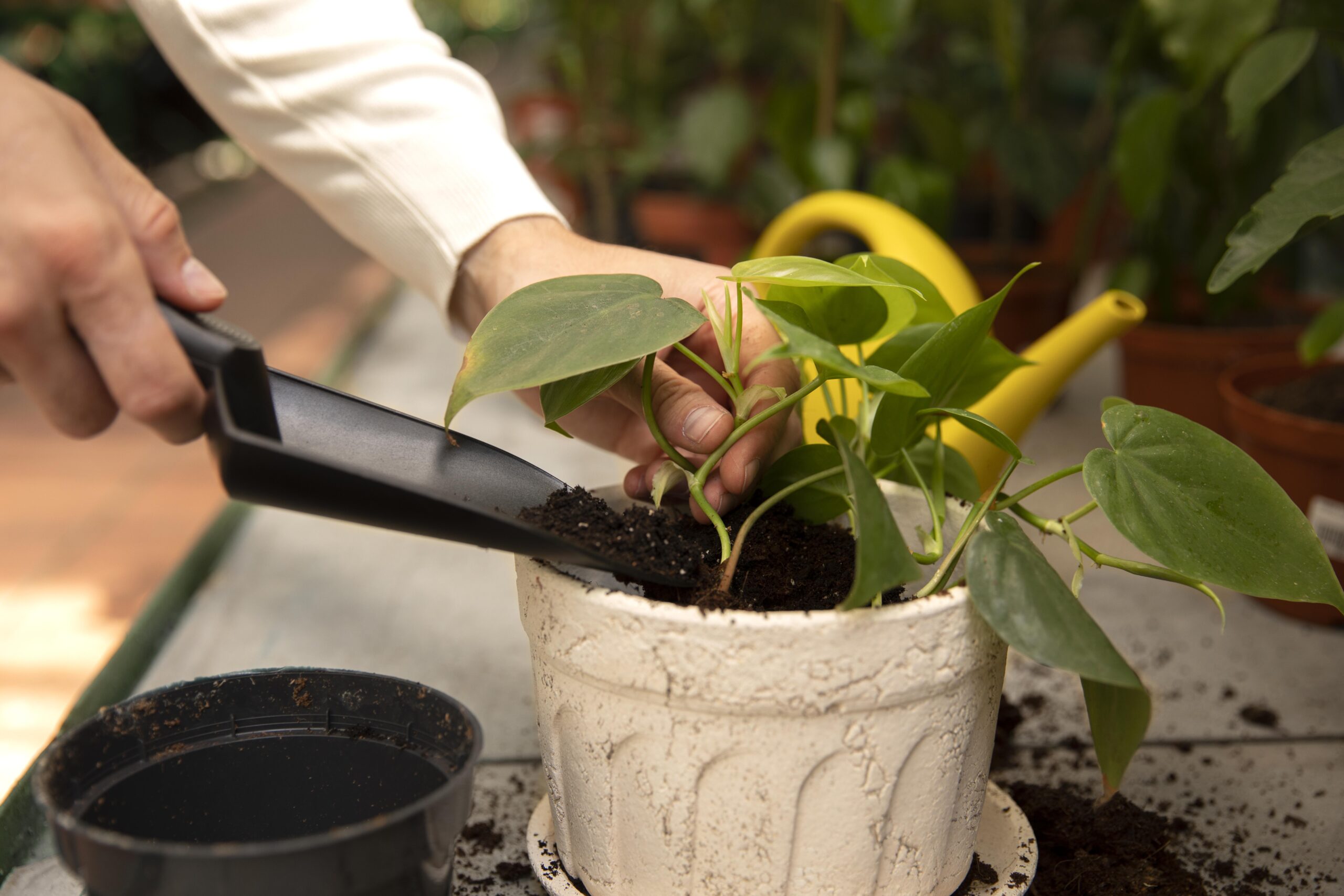
Root rot is a common plant disease affecting various plants, including trees, shrubs, and houseplants. It is caused by fungal infections, inadequate soil drainage, or excessive watering. If left untreated, root rot can be lethal. This guide covers the causes, early detection, and best preventative techniques for preserving plant health and thriving. What is root rot? A plant’s roots begin to deteriorate and decay when it develops root rot, which is often caused by an excess of water in the soil. When soil remains excessively saturated, anaerobic conditions develop, which hinder oxygen from getting to the roots and promote the…