




Organic gardening offers numerous benefits, including healthier food, eco-friendly practices, and increased sustainability. By choosing organic methods, you can reduce your exposure to harmful pesticides and chemicals, promote a healthier environment, and enjoy food with potentially higher nutritional value. Furthermore, organic gardening fosters a more balanced ecosystem by reducing reliance on synthetic inputs.
Starting an Organic Garden
The first step to a successful garden is proper planning. To start an organic garden, it is essential to consider the location, soil, plant choices, and maintenance routine.
- Choose the right spot: Most vegetables need at least 6-8 hours of direct sunlight per day. Observe how the sun moves across your yard to identify the sunniest spots. Good drainage is also crucial to prevent root rot, which you can improve by adding compost or using raised beds. Ensure the garden is easily accessible for watering, weeding, and harvesting, and keep it away from large trees or shrubs that will compete for water and nutrients.
- Prepare the soil: Incorporate compost, aged manure, or other organic materials to improve soil fertility and structure. You can choose between containers, raised beds, and in-ground planting. Containers offer easy maintenance and portability, while raised beds provide better drainage and soil control.
- Select the plants: Beginners can start with easy-to-grow crops like lettuce, beans, carrots, and cucumbers. Always choose plants that are suitable for your climate and available space.
- Planting and Maintenance: Pay attention to recommended planting depths and spacing. Keep the soil consistently moist, especially during dry seasons. Use organic fertilizers like compost tea or worm castings to provide nutrients, and regularly remove weeds to prevent them from competing with your crops.

Best Organic Soil Practices
Healthy soil is the foundation of organic gardening. By focusing on natural methods, you can build a rich, fertile environment for your plants. These practices include composting, mulching, using cover crops, and incorporating other organic matter.
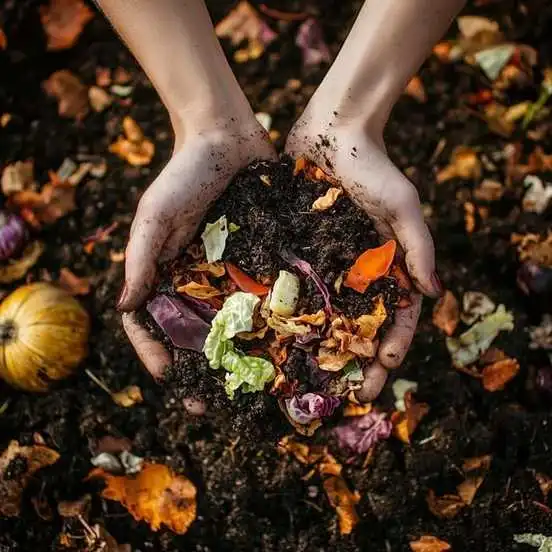
- Composting: Composting is the process of decomposing organic matter (like food scraps, yard waste, and manure) into a nutrient-rich soil amendment. This practice reduces landfill waste and improves soil health, water retention, and drainage.
- Mulching: Covering the soil surface with organic materials like wood chips (like oak, maple, or beech) or straw helps retain moisture, suppresses weeds, regulates soil temperature, and prevents erosion. As mulch decomposes, it adds valuable organic matter and nutrients to the soil.
- Cover Crops (Green Manure): Plant cover crops to protect and improve the soil. These crops prevent erosion, suppress weeds, and add organic matter when they are tilled into the soil. Examples include nitrogen-fixing legumes like clover or alfalfa.
- Other Organic Matter: Leaf mold and well-composted manure are also valuable sources of nutrients and organic matter that improve soil fertility, water retention, and overall health.
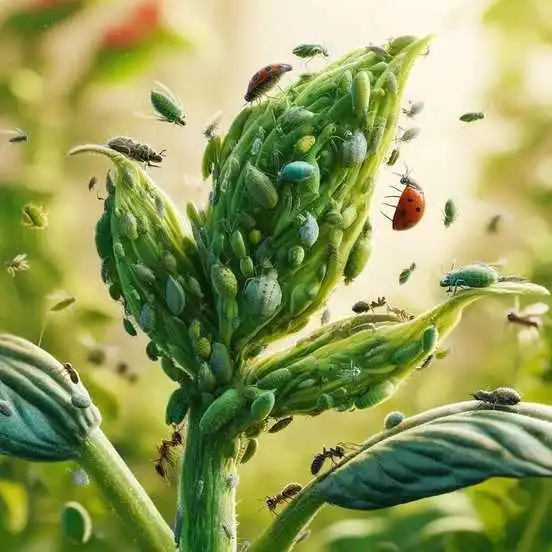
See our previous post on natural pest control.
Watering Methods
Efficient watering is key to a healthy garden. The most effective watering methods focus on directing water to plant roots and minimizing waste.
- Drip Irrigation: This method delivers water directly to the roots through a network of tubes, which minimizes water waste from evaporation and runoff.
- Rainwater Harvesting: Collecting rainwater in barrels provides a free, natural source of water for your garden.
- Morning Watering: Watering in the early morning, when temperatures are cooler and winds are calmer, allows water to soak into the soil before it evaporates.
- Deep Watering: Ensure water penetrates down to the root zone to encourage strong root development and enhance the plant’s drought tolerance. Soaker hoses or drip irrigation systems work best for deep watering, as they deliver water slowly and evenly directly to the roots.g, as they allow water to be delivered slowly and evenly to the root zone.
Fertilizing Without Synthetic Chemicals
To nourish your plants without synthetic chemicals, you can use a variety of organic fertilizers that improve soil health and provide essential nutrients.
- Compost: A versatile fertilizer rich in nutrients and beneficial microorganisms. It can be added to the soil before planting or used as a top dressing.
- Worm Castings: This nutrient-rich, slow-release fertilizer is the excrement of earthworms. It can be mixed into the soil or used as a top dressing.
- Fish Emulsion: A liquid fertilizer that provides a good source of nitrogen and other essential nutrients.
- Other Options: Kelp meal, alfalfa meal, and bone meal are also effective organic fertilizers, each providing a unique set of nutrients.
Conclusion
Ready to grow your organic garden? Start small, nurture the soil, and work with nature. With patience and a commitment to these organic practices, you can enjoy a thriving garden for years to come.