 24. June 2025
HOW TO MAINTAIN YOUR KITCHEN RANGE HOOD
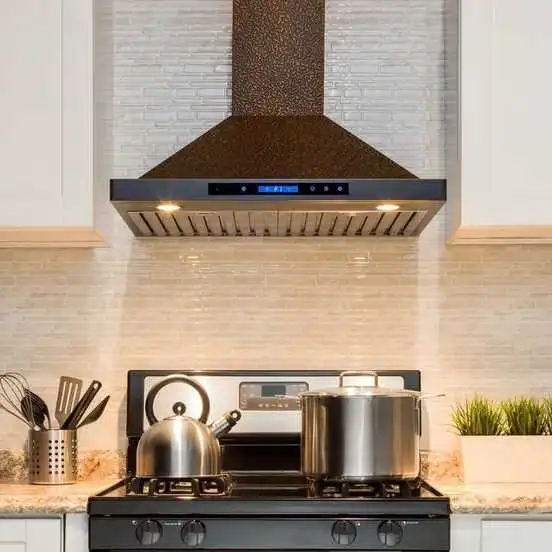
Keeping your appliances in good working condition starts with regular maintenance. One of the most essential appliances in your kitchen is the range hood, also known as a kitchen hood or vent hood. It’s designed to keep your kitchen air clean by removing smoke, grease, and odors while you cook. Typically installed above the stovetop or cooktop, the range hood uses a combination of motors, fans, and filters for effectiveness.
Regular cleaning and maintenance are essential to keep it running efficiently. Over time, grease and grime can accumulate, decreasing performance and increasing the risk of fire. Maintaining your range hood is simple and straightforward. In this guide, we’ll share easy, practical tips to help you keep your kitchen range hood in top working condition.
Why Is Cleaning Your Kitchen Range Hood Important?
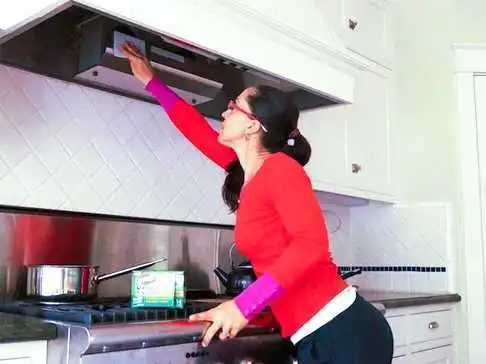
- Improves performance: Prevents grease and grime buildup that can block airflow and reduce efficiency.
- Eliminates odors: Helps remove lingering cooking smells from your kitchen.
- Reduces grease in the kitchen: Keeps surfaces cleaner by trapping airborne grease more effectively.
- Prevents fire hazards: Built-up grease can become flammable; regular cleaning reduces this risk.
- Promotes a healthier environment: Removes smoke and pollutants (like carbon monoxide and nitrogen dioxide) from the air.
- Extends the lifespan of your appliance: Clean components work better and last longer.
How Often Should the kitchen hood be deep cleaned?
How often you deep clean your kitchen hood depends on your cooking habits and the types of meals you prepare. As a general guideline:
- Light Cooking (boiling, steaming, or occasional light frying): Clean every 3 to 4 months.
- Moderate Cooking (regular frying, grilling, or sautéing): Clean every 2 to 3 months.
- Heavy Cooking (deep frying, frequent use of oils and spices): Clean every 1 to 2 months.
Kitchen Hood Maintenance Tips
Keeping your kitchen hood in top shape is crucial for clean air and efficient cooking. Here’s a simple guide to regular maintenance:
1. Use your kitchen hood the right way for best results.
Read your operation manual for care instructions. Make sure your hood is properly installed. Turn off the hood when not in use to avoid overworking the motor. Avoid using the maximum fan speed for light cooking. Instead, use lower settings for boiling or light meals. Use higher settings for greasy or smoky cooking (like stir-fries).
2. Clean the Filters Regularly
Grease is the main culprit for clogged filters, which drastically reduce airflow and efficiency.
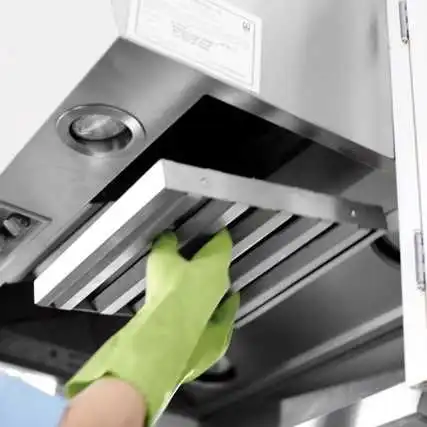
- Reusable Filters: Remove these filters and soak them in warm, soapy water. For metal filters, gently scrub with a soft brush to remove stubborn grime.
- Disposable Filters: Always replace these as recommended by the manufacturer, typically every 1 to 3 months.
Use a high-quality filter; some range hoods support upgraded filters that trap grease and odors more effectively. Investing in a better filter can improve performance and reduce how often you need to clean.
3. Wipe Down the Exterior
Wipe the exterior of your range hood quickly after cooking to prevent grease buildup from accumulating. A simple, regular wipe-down makes deep cleaning much easier. For those who do not have the time to clean the exterior daily, wipe down the exterior weekly with a damp cloth and mild detergent. If you have a stainless-steel model, use a cleaner specifically designed for stainless steel to keep it streak-free and shiny.
4. Inspect and Clean the Fan Blades
Grease buildup on the fan blades can put a strain on the motor and significantly reduce the performance of your range hood. Turn off the range hood completely before carefully cleaning the fan blades with a cloth dampened in soapy water. Be gentle to avoid bending the blades and tampering with any electrical parts.
5. Check the Ductwork
Clogged or damaged ducts are a common cause of poor airflow, causing an unpleasant smell to linger in your kitchen. Periodically inspect the ductwork for any blockages or leaks. If you find issues, it’s important to clean or replace the ducts to maintain efficiency.
6. Replace Burnt-Out Bulbs
Good lighting over your stovetop improves visibility while cooking and enhances safety. Always use the correct bulb type specified in your hood’s manual. Remember to unplug the unit before replacing the bulb to avoid any electrical hazards.
7. Use the Right Cleaning Products
Harsh cleaners can scratch or discolor your range hood’s finish. Always opt for non-abrasive cleaners and soft cloths to preserve its appearance and integrity.
8. Know How to Troubleshoot
Understanding basic troubleshooting can save time and stress: For fan issues, turn the hood off and on; unusual noise may indicate a motor or fan problem. For a lighting problem, check the bulbs or wiring. If odors and smoke linger even on the highest setting, your filters or internal components may need cleaning.
9. Schedule Professional Maintenance
For comprehensive care, annual servicing by a qualified professional is highly recommended. This ensures all components are in good working order, prevents major issues from developing, and helps keep your range hood operating efficiently for years to come.
Conclusion
By following these straightforward maintenance tips, you’re not just cleaning an appliance; You’re maintaining optimal performance of your kitchen hood. Regular care protects your investment, extends the lifespan of your kitchen hood, and saves you from costly repairs down the line.