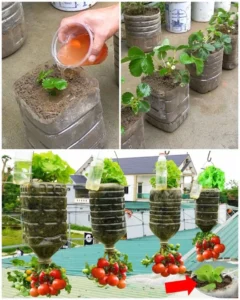
Growing vegetables in plastic bottles is one of the most practical ways to start gardening in limited spaces. Whether you live in an apartment, have a small balcony, or want a low-cost gardening option, this method allows you to grow fresh vegetables. This approach is affordable, eco-friendly, and suitable for beginners and experienced gardeners alike. Ways to Practice Growing Vegetables in Plastic Bottles The following are ways to grow vegetables in plastic bottle: 1. Choose the right bottle and prepare it properly Start with clean, empty plastic bottles (1.5–2 litres works well) and remove labels. For vertical planters, cut off the bottom part and make drainage holes in the bottom; for horizontal planters, cut a rectangular opening along the side and add holes underneath. These steps ensure good drainage and healthy root growth. (Source) 2. Use good quality soil and organic mixes Fill the prepared bottle with nutrient-rich soil or a mix of compost. High-quality soil improves aeration, water retention, and nutrient availability, which are key for thriving vegetables. (Source) 3. Select suitable vegetables for bottle planting Plastic bottles work best for vegetables and herbs that don’t need deep root systems. Examples include lettuce, spinach, cilantro, basil, green onions, radishes, small chilies, and dwarf tomatoes. These plants grow well in shallow soil and limited spaces. (Source) 4. Maximize space with vertical and hanging designs To make the most of limited space, arrange bottles vertically, attach them to a sturdy frame, wall, or railing, or hang them using string or rope. These designs save floor space and increase planting capacity. (Source) 5. Ensure adequate sunlight exposure Place your bottles in locations that receive at least 4–6 hours of sunlight each day. South-facing balconies, window ledges, or sunny terraces help plants photosynthesize and grow vigorously. Herbs and leafy greens such as mint, parsley, cilantro, chives, lettuce, spinach, kale, Swiss chard, and arugula can tolerate slightly less sunlight, making them suitable for areas that receive only a few hours of direct sun or bright indirect light each day, Fruiting vegetables such as tomatoes, peppers, cucumbers, zucchini, eggplant, and okra require full sun, typically at least 6–8 hours of direct sunlight daily, to produce healthy flowers and abundant harvests. (Source) 6. Water consistently but avoid overwatering Plastic bottles have limited soil volume, so they dry out faster than traditional pots. Check the top inch of the soil inside the bottle, put your finger about one inch (2–3 cm) into the soil. If it feels dry at that depth, water lightly until the soil is evenly moist but not waterlogged. Overwatering can lead to root rot, so drainage holes are essential to prevent soggy soil. (Source) 7. Rotate and care for your plants regularly Rotate bottle planters every few days so all sides receive light evenly. Trim yellow leaves, thin crowded growth, and remove dead material to promote airflow and reduce pest risks. Regular care encourages healthy, productive plants. (Source) 8. Protect from harsh weather and pests Even in bottles, plants can be vulnerable to strong winds or heavy rain. Secure hanging or vertical setups tightly, and consider mini greenhouses (bottle cloches) by placing upside-down bottle tops over seedlings to protect from cold or pests when needed. (Source) 9. Harvest and replant for continuous supply Vegetables like leafy greens and herbs can be harvested repeatedly by trimming outer leaves. Replant new seeds or seedlings every few weeks for a continuous supply of fresh produce throughout the growing season. (Source) Conclusion This method empowers people of all experience levels to grow healthy, organic produce at home, making gardening affordable, and enjoyable.