


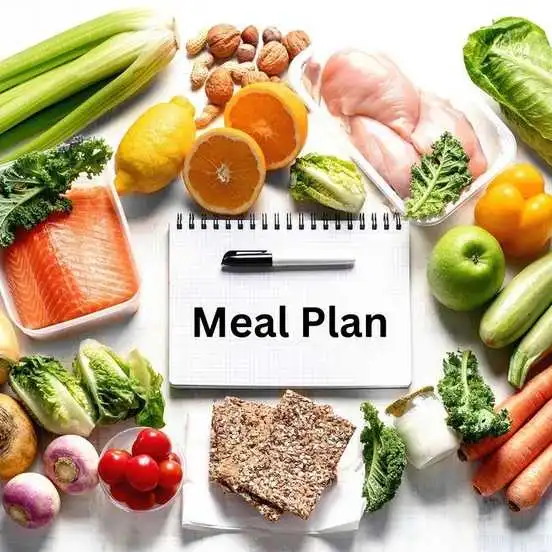

For many parents, the question “What’s for dinner?” can spark a wave of daily stress. Between busy schedules, picky eaters, and grocery lists, it’s easy to feel overwhelmed. Meal planning can make a difference. With a little preparation, you can create a flexible roadmap for the week that saves money, reduces stress, and ensures your children enjoy nutritious, balanced meals.
This guide will help you design a child-friendly meal plan with variety, fun, and healthy choices.
Why Meal Planning Matters for Your Child’s Health
Meal planning ensures your child gets all the essential nutrients for healthy growth and development. The benefits include:
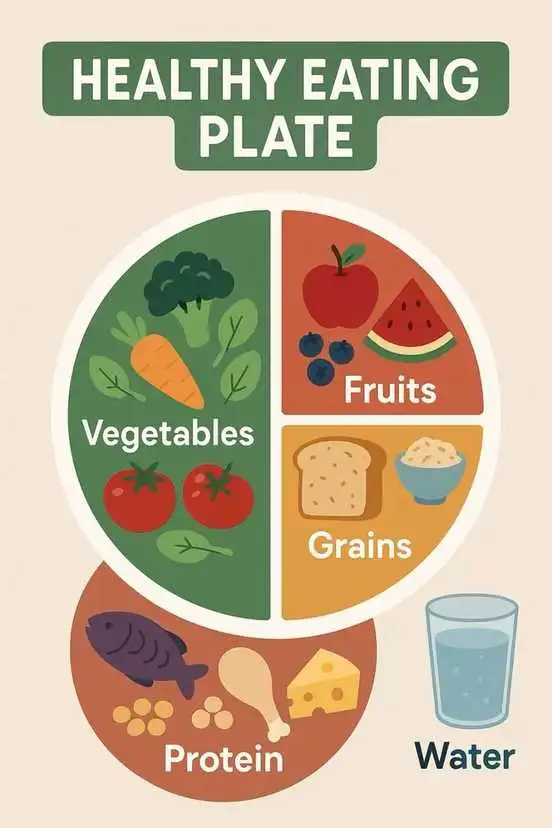
- Sharper focus and memory: Nutrients like omega-3s found in fish or eggs, B vitamins from whole grains and leafy greens, and antioxidants in berries, carrots, or bell peppers support concentration and brain function.
- Stronger immunity: Nutrient-packed foods, like lean meats such as chicken or turkey breast, beans, yogurt, and colorful vegetables, help keep your child’s immune system strong and resilient
- Better mood balance: Omega-3s and slow-release carbohydrates (like whole grains, beans, and starchy vegetables) help keep energy steady and support stable moods throughout the day.
- Healthy digestion: Fiber from fruits, veggies, and whole grains supports gut health.
- Consistent energy levels: Balanced meals with a mix of protein, healthy fats, and complex carbohydrates prevent energy crashes, keeping children active and engaged throughout the day.
Stress-Free and Practical Meal Planning for Kids
Meal planning doesn’t have to mean cooking a completely different meal for each child. Focus on simplicity, flexibility, and efficiency:
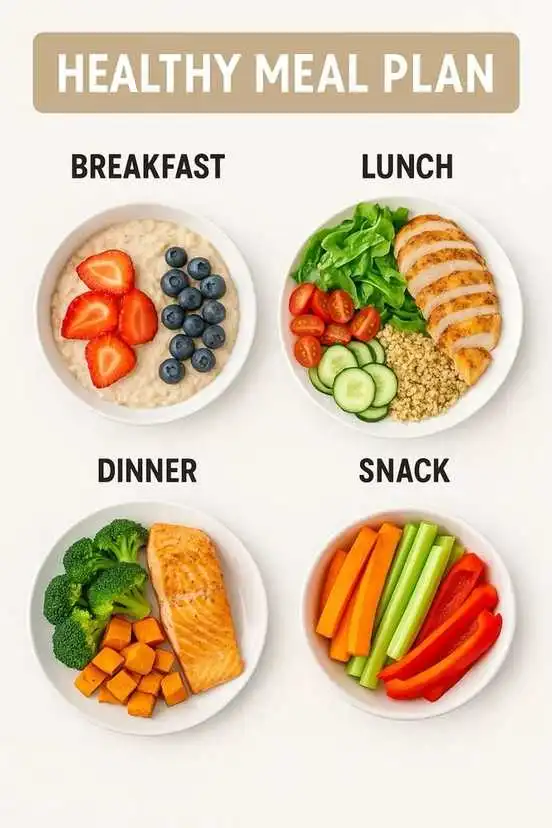
1. Plan a few flexible meals using versatile ingredients
Choose 3–5 easy, wholesome meals for kids that everyone enjoys. Use versatile ingredients that can be adapted into multiple dishes throughout the week. For example, rice can be paired with stew, transformed into vegetable rice stew, or made into jollof rice; beans can be served with bread, rice, pap, or plantain; and yams can be boiled, fried with egg sauce, or combined with eggs as yamarita.
2. Check and Plan Before Shopping
Before heading out, take stock of what’s already in your pantry, fridge, and freezer. Staples like rice, beans, pasta, or frozen vegetables form the base for many meals. Use up leftovers or perishable items early in the week to save money and reduce waste.
When it’s time to shop, whether at a supermarket or local market, make a simple list based on what your children actually eat and enjoy. This helps you plan meals that suit their tastes and meet their nutritional needs. By choosing affordable, versatile ingredients, like grains, fruits, and proteins that can be used in multiple dishes, you’ll save time, ensure balanced nutrition, and always have ingredients ready for wholesome meals your kids will enjoy.
3. Include batch cooking
Add a bit of batch cooking to your weekend routine. Preparing and storing foods like chopped vegetables, cooked meats, or soups ahead of time means healthy meals are always ready when your children need them. This keeps their eating schedule consistent, prevents skipped breakfasts or last-minute junk food, and supports better focus and energy throughout their day.

Conclusion
Meal planning doesn’t have to be perfect; it’s about creating structure and staying flexible. With a little preparation, creativity, and practical strategies, you can make family mealtime enjoyable and stress-free.