


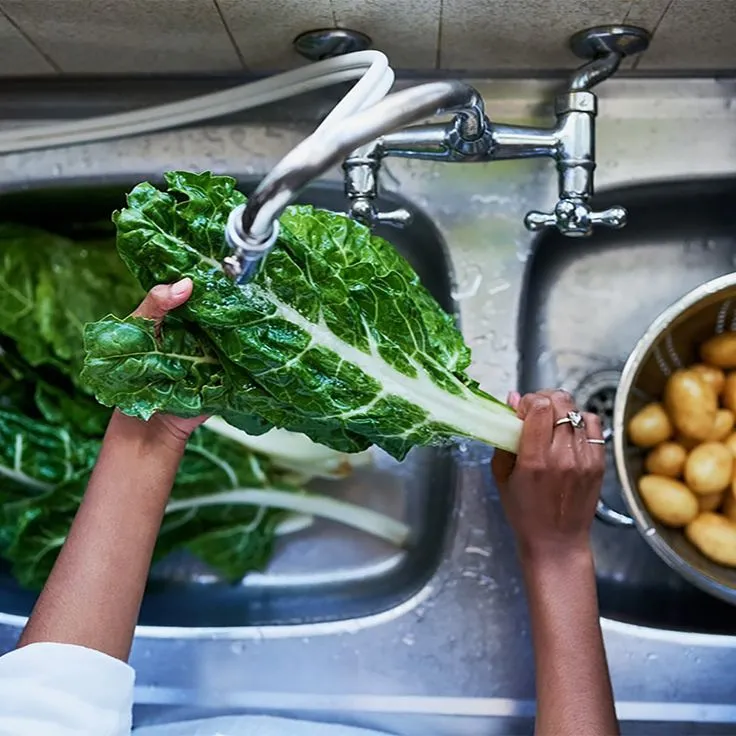

Kitchen hygiene is crucial for every household because food is prepared there daily, and even small mistakes can lead to harmful bacteria growth, contamination, and illness. Many kitchen hygiene errors stem from routine practices, such as inadequate handwashing and improper food storage, highlighting the need for awareness and correction. This article outlines the most important hygiene errors many households make and explains how avoiding these common kitchen hygiene mistakes can keep your kitchen safer and more sanitary.
Common Kitchen Hygiene Mistakes to Avoid
The following are the common kitchen hygiene mistakes to avoid:
1. Inadequate handwashing before food preparation
Failing to wash hands properly is one of the most serious common kitchen hygiene mistakes to avoid. Simply rinsing hands under water does not remove bacteria. To reduce contamination risk, wash hands with soap and water for at least 20 seconds before and after handling food, especially raw meat, eggs, or fish.

2. Cross-contamination between raw and cooked foods
Using the same cutting boards, knives, or utensils for raw meats and ready-to-eat foods spreads harmful pathogens. Always use separate boards for raw and cooked items, wash utensils thoroughly between tasks, and consider color-coding boards to make this easy at home. Preventing cross-contamination is one of the most important common kitchen hygiene mistakes to avoid.
3. Improper food storage and refrigerator misuse
Leaving perishable foods out too long or overcrowding the refrigerator disrupts airflow and causes uneven cooling, increasing spoilage risk. Store food promptly in airtight containers, keep raw meat on the bottom shelf to avoid drips onto other foods, and monitor fridge temperature to stay below 4 °C. Poor storage habits remain common kitchen hygiene mistakes to avoid in many households.

4. Neglecting high-touch surfaces and sponges
Kitchen sponges, dishcloths, and high-touch areas like fridge handles and taps are breeding grounds for bacteria if not cleaned or replaced regularly. Sponges retain moisture and food particles, which encourage microbial growth. Wash clothes frequently in hot water and replace sponges regularly to maintain hygiene.
5. Overlooking pest control and waste management
Unsealed trash bins, food scraps on counters, and uncovered compost attract pests like flies and rodents that carry pathogens. Regularly empty bins, keep waste covered, and clean areas where waste accumulates to maintain proper kitchen hygiene.
Conclusion
Avoiding common kitchen hygiene mistakes to avoid does not require drastic changes, it requires awareness and consistency. By correcting these everyday mistakes, you create a healthier, safer kitchen environment for everyone in your household.