



A clean kitchen backsplash not only looks good but also helps keep your cooking space organized and protects your walls from damage. Because the backsplash sits directly behind your stove and sink, it’s constantly exposed to grease, splashes, and stains that can dull its appearance over time. Whether your backsplash is made of tile, glass, stone, or stainless steel, proper cleaning and maintenance will help it stay as beautiful and functional as the day it was installed. This guide walks you through the best cleaning methods for different kitchen backsplash materials, along with practical maintenance tips.
Cleaning Different Types of Kitchen Backsplash Materials
Each kitchen backsplash material requires a slightly different cleaning approach. Using the right method ensures effective results without causing damage:
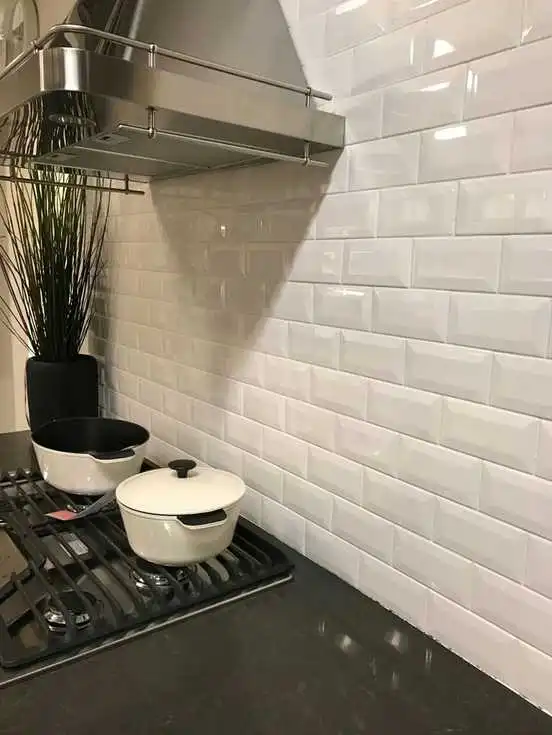
1. Ceramic & Porcelain Tile
Ceramic and porcelain backsplashes are homeowner favorites, durable, easy to clean, and timeless in style. For everyday cleaning, wipe the surface with warm, soapy water using a soft cloth or sponge to remove grease and splatters. For stubborn stains or grout buildup, a gentle baking soda paste works effectively without harming the tile. Regularly cleaning grout lines helps prevent discoloration and keeps your kitchen looking polished.
2. Glass Tile
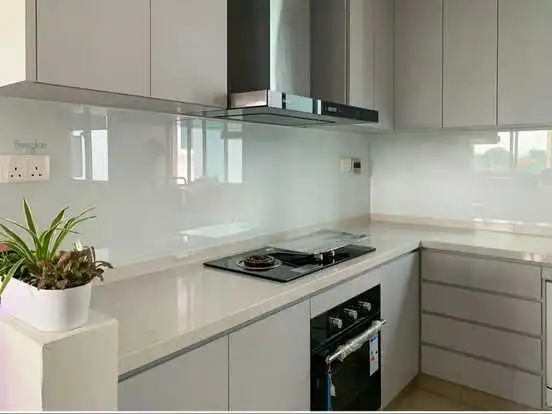
Glass backsplashes add a sleek, modern touch to any kitchen but can easily show fingerprints, smudges, and water spots. To keep them looking spotless, clean the surface with a glass cleaner or a 50/50 mixture of vinegar and water. Wipe using a streak-free microfiber cloth to maintain a brilliant, streak-free shine.
3. Natural Stone (Marble, Granite, Travertine, Slate)
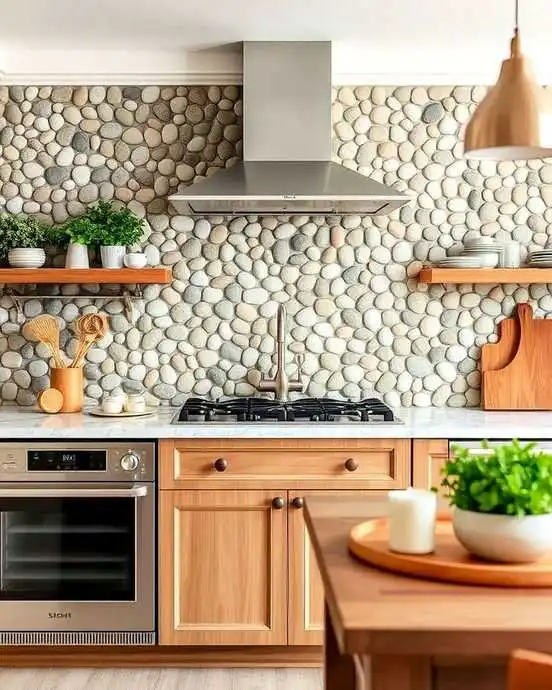
Natural stone brings elegance to the kitchen but requires gentle care because it’s porous. For daily cleaning, use a pH-neutral stone cleaner and a soft cloth to remove spills and grease. Reseal stone every six to twelve months to protect against stains and moisture. Avoid acidic or harsh cleaners, such as vinegar, lemon juice, or bleach, as these can etch the surface and dull its natural beauty.
4. Stainless Steel
Stainless steel backsplashes give a sleek, professional look, though they can show fingerprints and streaks easily. Clean regularly with mild dish soap and warm water, wiping along the grain. For extra shine, use a stainless-steel cleaner or a few drops of olive oil with a soft cloth. Avoid abrasive pads or steel wool, which can scratch the finish.
5. Peel-and-Stick or Painted Backsplashes
Peel-and-stick or painted backsplashes are budget-friendly and stylish, but they require gentle handling. Wipe the surface with a damp cloth and a small amount of mild soap to remove stains or grease. Avoid using excess water or scrubbing vigorously, which can weaken the adhesive or strip away paint.
Conclusion
Small, consistent cleaning efforts lead to big savings on repairs. By regularly wiping surfaces with the right products and sealing stone when necessary, you can prevent stains, protect your walls, and extend the lifespan of your kitchen backsplash.