


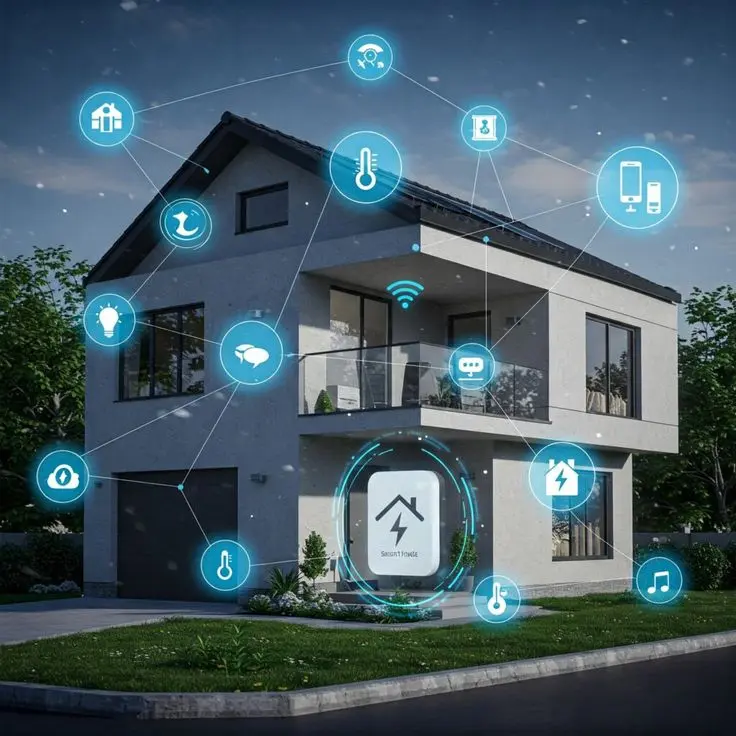

Home automation refers to the use of connected devices, often called smart home technology, that monitor, control, and optimize household systems like lighting, heating, cooling, and appliances. These systems work together to improve efficiency, reduce waste, and give homeowners greater control over their energy usage.
As technology becomes more accessible, smart homes are no longer a luxury, they’re becoming a practical solution for saving money and living sustainably.
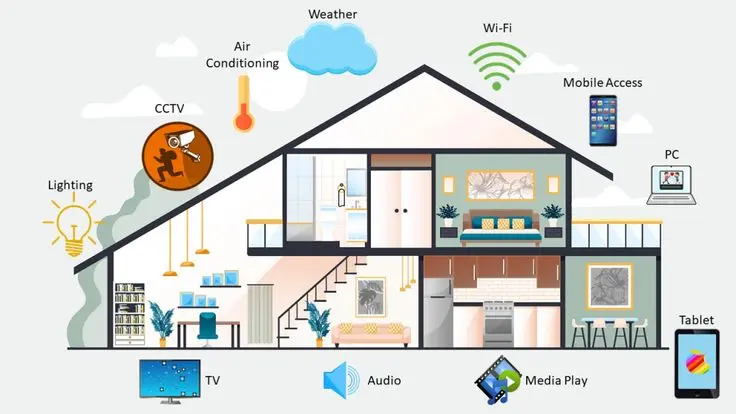
How home automation works
Smart home systems connect various devices, such as:
- Thermostats
- Lights
- Appliances
- Power outlets
- Sensors
These devices collect data and respond automatically based on user preferences or environmental conditions. For example: Lights can turn off automatically when a room is empty.
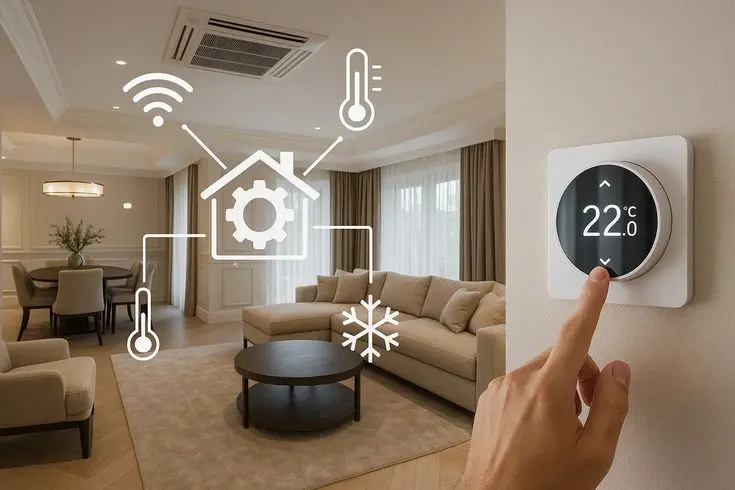
Benefits of home automation for energy efficiency
Implementing smart home technology provides these advantages:
- Lower electricity bills
By optimizing when and how energy is consumed, smart systems significantly reduce utility costs. Over time, these savings can offset the initial investment. - Real-time energy monitoring
Smart systems provide clear, real-time insights into your energy usage. You can identify high-consuming devices, spot inefficiencies, and make data-driven decisions to reduce waste. - Increased home value
Energy-efficient smart features are highly attractive in today’s property market. Homes equipped with automation systems stand out and often command higher value. - Reduced carbon footprint
Using less energy means producing fewer greenhouse gas emissions. Smart automation helps lower your environmental impact while maintaining comfort. - Empowering accessibility
Smart technology significantly enhances independence for individuals with mobility impairments. Voice commands and remote interfaces allow for effortless control of doors, lighting, and appliances that might otherwise be difficult to reach.
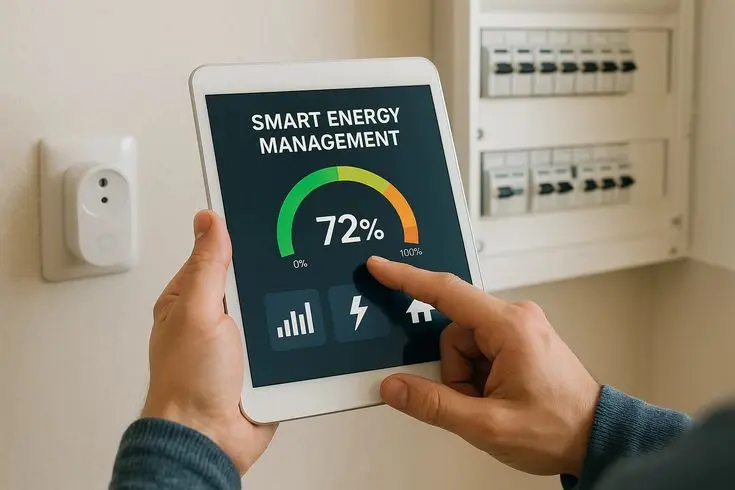
Examples of smart energy solutions
Integrating specific smart technologies provides a practical framework for reducing household waste:
- Smart thermostats: These reduce costs by automatically adjusting temperatures based on your real-time schedule and occupancy.
- Motion-sensor lighting: This eliminates wasted electricity by ensuring lights are active only when a room is occupied and deactivated upon exit.
- Automated power management: Smart plugs and strips prevent “phantom energy” draw by cutting power to idle electronics and scheduling device operation.
Conclusion
Home automation is a practical solution for efficient energy management rather than just a modern convenience. As energy costs and environmental concerns grow, adopting smart efficiency solutions is a high-value, forward-thinking investment.
Sources