




Every garden, from a sprawling landscape to a cozy balcony oasis, benefits from a regular check-up. A thorough garden review is more than just a glance; it’s a critical tool for understanding your green space, identifying areas for growth, and ensuring long-term vitality. Whether you’re a homeowner looking to boost curb appeal, a seasoned landscaper optimizing client sites, a keen student of horticulture, or a garden blogger seeking continuous improvement, conducting a structured garden assessment is invaluable for documentation, learning, and strategic planning.
Preparation for Garden Review
A little preparation goes a long way in making your garden evaluation effective and insightful. They are:

- Gather Your Tools: Get a notebook and pen for jotting down observations, a phone or camera to capture visual evidence, and if you have one, a copy of your garden’s existing plan or layout. A simple checklist, tailored to your garden’s specific features, can also be beneficial for consistency.
- Choose the Best Time: The ideal time for a garden review can vary. Early morning or late afternoon often provides the best light for detailed observation. Consider reviewing your garden at different seasons – spring to assess emerging growth, summer to check peak performance and water needs, autumn for harvest and preparing for dormancy, and winter to observe structural elements. Each season offers unique insights into your garden’s rhythm and needs.
Key Elements to Observe During Your Garden Assessment
As you walk through your garden, engage all your senses. This systematic approach will ensure you cover every crucial aspect of your space.
- Layout and Design: Observe the overall structure, how different areas connect, and the flow of movement. Does the garden invite you in? Is the use of space efficient and aesthetically pleasing? Consider how various elements – such as planting beds, hardscaping, and open lawn areas – interact to create the garden’s character.
- Plant Health and Variety: Conduct a meticulous plant health check. Look beyond just green leaves. Are plants exhibiting vigorous growth, or do they appear stunted, discolored, or stressed? Note the diversity of plant species. Is there a good mix of textures, heights, and bloom times? Identify any signs of pests (chewed leaves, sticky residue) or diseases (spots, wilting, powdery mildew) early on.
- Soil and Mulch Condition: The soil is the foundation of your garden’s health. Feel its texture and moisture level – is it too dry, too wet, or compacted? Observe the presence and condition of mulch. Is there enough to suppress weeds and retain moisture? Is it breaking down effectively to enrich the soil?
- Irrigation and Drainage: Assess how water moves through your garden. Are sprinklers reaching all areas effectively, or are there dry spots? Do you see signs of overwatering or standing water after rain, indicating poor drainage? Consider the efficiency of your watering methods – could you conserve more water?
- Accessibility and Safety: Think about how people move through and use the garden. Are pathways clear, stable, and wide enough? Are borders well-defined? Are there any tripping hazards? Is visibility good, especially around corners or entrances? Ensure garden features are safe for all users, including children and pets if applicable.
- Sustainability Practices: This crucial aspect of a modern garden review focuses on your environmental footprint. Are you actively composting garden waste? Are native plants incorporated, supporting local wildlife? What water-saving methods are in place (e.g., rain barrels, drip irrigation)? Evaluate opportunities to reduce chemical use and enhance biodiversity.
Enhance Your Review with a Checklist or Scorecard
To make your garden analysis consistent and track progress over time, utilizing a structured checklist or scorecard is highly recommended.
- Benefits of Consistency: A standardized method ensures you evaluate the same criteria each time, allowing for direct comparisons across seasons or years. This is especially valuable if you manage multiple gardens or want to objectively track improvements.
- Sample Categories & Scoring: Your checklist can include categories like “Plant Health,” “Weed Control,” “Water Use,” “Aesthetics,” etc. You can assign a simple rating (e.g., 1-5, or Poor/Fair/Good/Excellent) to each item. This quantification helps pinpoint areas needing the most attention at a glance.
Documenting Your Garden Review Findings
Your observations are most valuable when recorded systematically. This documentation creates a historical record that informs future decisions.
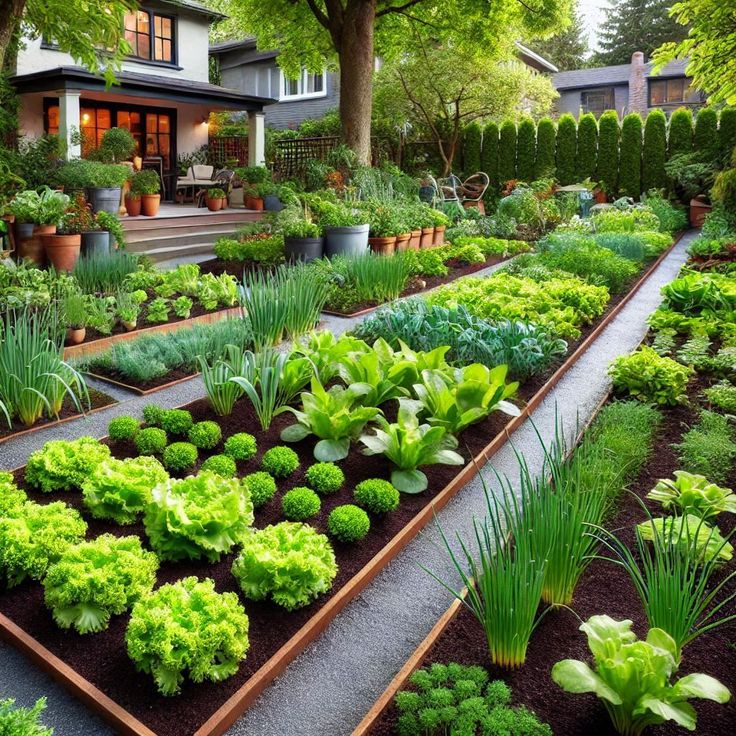
- Take Detailed Notes and Photos: Write down specific issues, observations, and ideas for improvement. Use your phone or camera to capture visual evidence of both successes and problem areas. Photos are powerful for tracking change over time.
- Highlight Strengths and Areas for Improvement: Be sure to note what’s working well in your garden, not just the challenges. Identify specific areas that need attention, whether it’s a struggling plant, an overgrown shrub, or a drainage issue.
- Create a Short Summary or Report: Condense your findings into a concise summary. This could include a list of priority tasks, a brief overview of the garden’s current state, and actionable next steps. This serves as your personal garden action plan.
Conclusion
A garden review isn’t a one-time event; it’s an ongoing practice that yields immense benefits. Regular check-ins, perhaps seasonally or at key growth phases, provide invaluable insights into your garden’s evolving needs. This continuous garden health check will ensure your green space remains beautiful, functional, and a source of joy for years to come.