




Outdoor exercise safety is essential for anyone who enjoys staying active outside. It is one of the simplest and most rewarding ways to stay fit, relieve stress, and enjoy nature, all without the cost of a gym membership. Whether it’s a morning jog, an evening walk, or working out outside provides undeniable physical and mental benefits.
However, outdoor activities can present certain risks, including changing weather, dehydration, and general safety concerns. With a few smart precautions, you can make every outdoor workout both safe and enjoyable. This guide shares straightforward, real-world tips for staying safe during any outdoor workout.
Outdoor Exercise Safety Tips
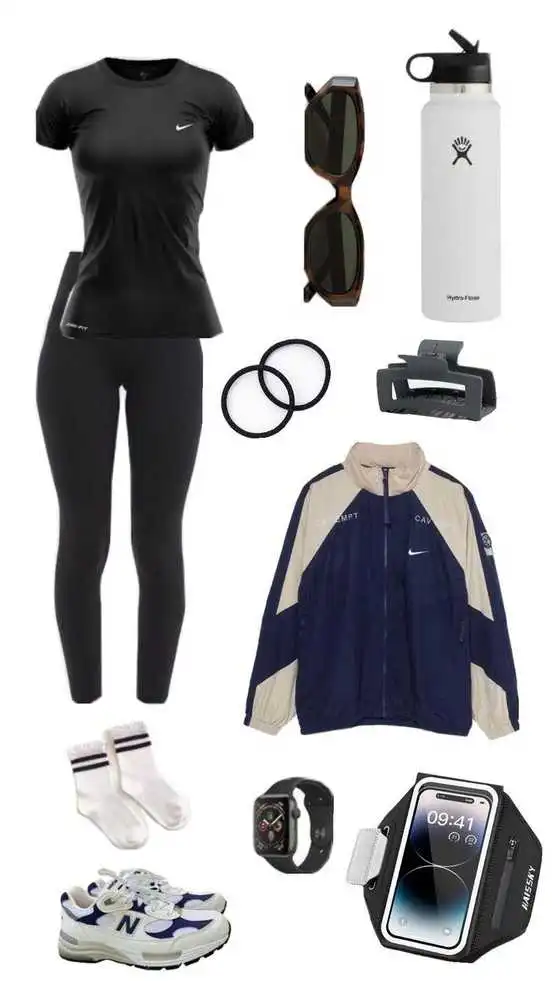
1. Choose the Right Shoes and Equipment
Good outdoor exercise safety starts with the right gear. Proper footwear matters. Wear shoes designed for your specific activity, running shoes for jogging, cross-trainers for mixed workouts, and cycling shoes with a firm grip for biking. Supportive shoes help prevent blisters, ankle injuries, and joint strain. If you’re cycling, wear a good-quality helmet for protection. A small whistle or reflective wristband can also be useful for visibility and awareness.
2. Wear Bright or Reflective Clothing
Visibility is a key part of outdoor exercise safety. Many people exercise early in the morning or late in the evening when the light is low. Wear bright-colored clothing, reflective vests, or LED armbands so drivers and cyclists can easily spot you. Avoid dark outfits that blend into the surroundings.

3. Use Safety Technology Wisely
Technology can enhance outdoor exercise safety. Fitness trackers and smartwatches often include GPS, heart-rate monitors, and activity alerts. Carry an ID tag or medical bracelet if you have allergies or health conditions. If you prefer solo workouts, let someone know your route and expected return time. You can also use simple location-sharing features with trusted friends or family during long runs or rides.

4. Weather Awareness
Another important aspect of outdoor exercise safety is understanding weather conditions. If the weather looks unfavorable, like heavy rain, strong wind, or poor visibility, it’s best to move your workout indoors or wait until conditions improve. Even light rain can make surfaces slippery, so having an indoor backup routine (like stretching or yoga) keeps you consistent and safe.

5. Follow Road and Trail Rules
If sidewalks are available, use them. When running on roads without sidewalks, face oncoming traffic so you can see vehicles. Cyclists should always ride with the flow of traffic and obey all traffic signals. At intersections, make eye contact with drivers before crossing.
6. Be Smart About Headphones
Music can keep you motivated, but it can also distract you from your surroundings. Keep the volume low enough to hear approaching cars or cyclists. Consider using one earbud or open-ear headphones to stay aware of your environment.
7. Warm Up and Cool Down
No outdoor exercise safety plan is complete without proper warm-ups and cool-downs. Spend 5–10 minutes stretching before and after the activity. Warming up improves flexibility and circulation, while cooling down helps prevent stiffness and cramps. Increase your intensity gradually. Listen to your body and rest if you feel tired or lightheaded.
Conclusion
Staying safe while exercising outdoors requires proper preparation. With a little planning, you can enjoy all the benefits of outdoor workouts, fresh air, freedom, and fitness, without unnecessary risks. The outdoors is your free gym, make the most of it and do it safely!