


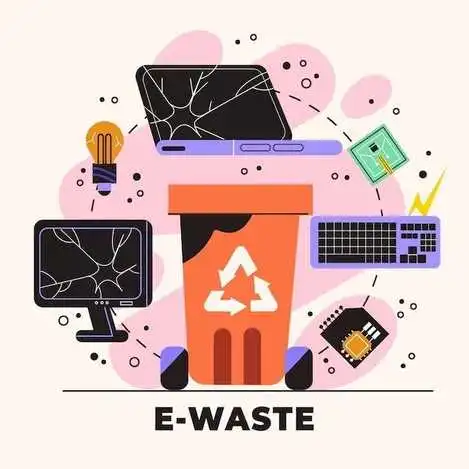

With new digital devices hitting the market every year, we’re left with a mounting question: what do we do with our old devices? A proper disposal of gadget waste (e-waste) is crucial. Not only do these digital devices contain hazardous materials that can harm human health and the environment, but they also contain valuable resources. This guide provides a comprehensive, step-by-step approach to responsibly disposing of your old digital devices.

Step 1: Prioritize Data Security Before E-Waste Disposal
The first step in e-waste disposal is to protect your personal data on phones and PCS. Follow these steps:
- Back Up Your Data: For mobile devices, computers, or tablets, save all important files, photos, and contacts to a cloud service (such as Google Drive or iCloud) or an external hard drive if not previously done.
- Log Out of Accounts: Sign out of all associated accounts, including Google, Apple, and social media platforms, to prevent unauthorized access.
- Initiate a factory reset. Using your device’s operating system, either Android or iOS, perform a full factory reset. This action will restore the device to its original settings and erase all information.
Step 2: Choose the Right Disposal Method
Once your data is secure, you can decide on the best way to dispose of your digital devices. There are three main options:
Option 1: Reuse and Refurbish
Extending the life of a device is the most sustainable choice. Instead of immediate e-waste disposal, consider these options:
- Donation: Many charities and non-profits, such as Goodwill or Computers for Schools, accept working electronics to support their programs.
- Trade-In or Sale: Retailers and manufacturers often have trade-in programs for store credit, and you can also sell your device on an online marketplace.
- Repurpose: A working old tablet can be used mainly as a media player, and a computer monitor can serve as a digital photo frame.
Option 2: Certified Recycling
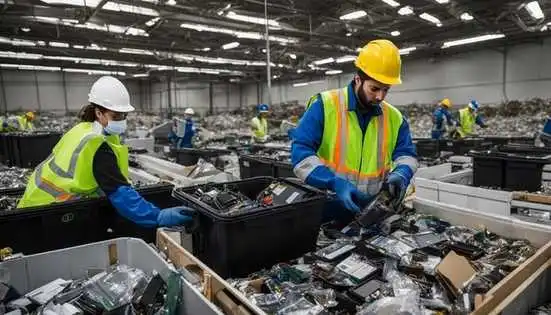
When a device is no longer working or repairable, it must be recycled properly. Certified e-waste recyclers disassemble the item to salvage valuable materials such as metals, plastics, and glass, which are then used to create new products.
When choosing a recycler, look for certifications such as R2 (Responsible Recycling), which guarantees that the facility handles electronics in an environmentally responsible manner.
Option 3: Take-Back Programs
Many electronics manufacturers and retailers offer programs that allow you to return old devices for proper recycling. This is a convenient and reliable option. Check with the store where you originally purchased your item or visit the manufacturer’s website for details on their take-back program.
Specific Guidelines for Common Electronics
For smaller items such as batteries and bulbs, the process for e-waste disposal can be slightly different.
- Check for Symbols: Look for the crossed-out wheeled bin symbol, which indicates the item should not be put in regular trash.
- Separate Items: Always remove batteries from devices, as they can be a fire hazard if not disposed of correctly.
- Find a Drop-Off Point: Many stores, community centers, and local authorities have designated drop-off points for these items. Use online resources like Recycle Mate or contact your local waste management service for information on collection events.
Conclusion
By following these essential steps for e-waste disposal, you not only safeguard your personal information but also play a vital role in preventing environmental pollution and conserving valuable resources.