


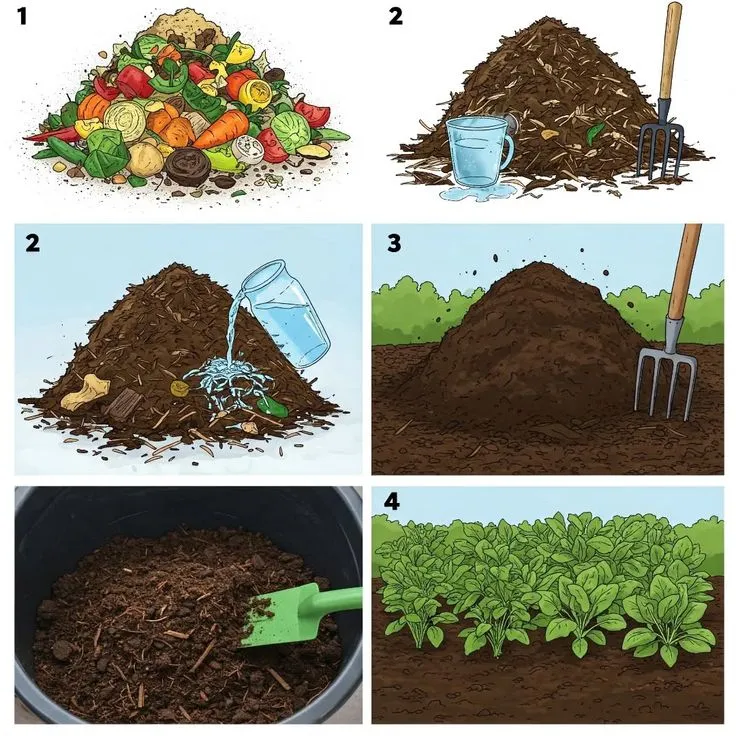

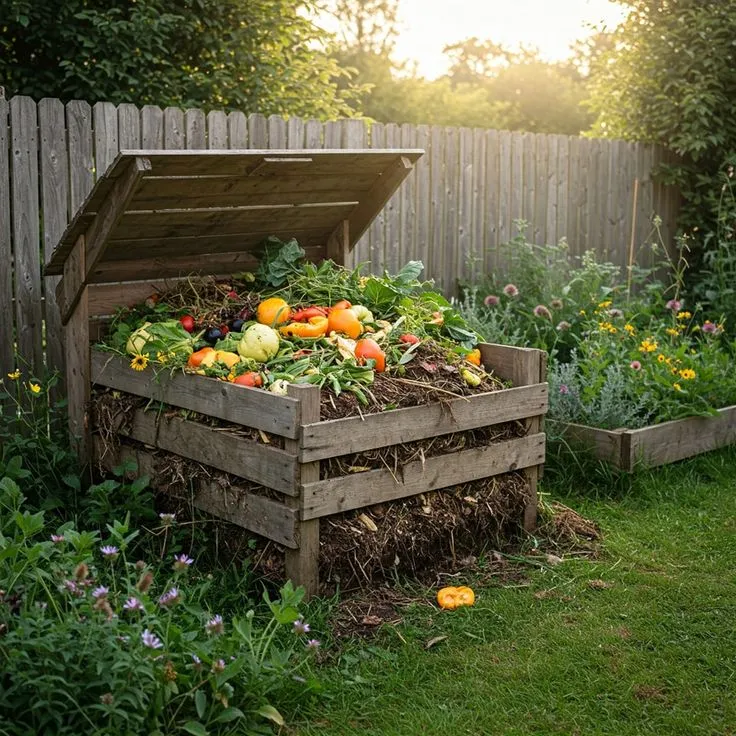
Composting turns organic waste into nutrient-rich soil, but the method you choose affects speed, effort, and results. The two main approaches, hot composting and cold composting, use different biological processes to break down materials. Understanding their differences helps you pick the right system for your garden.
Key difference between hot and cold composting
1.Process of Composting
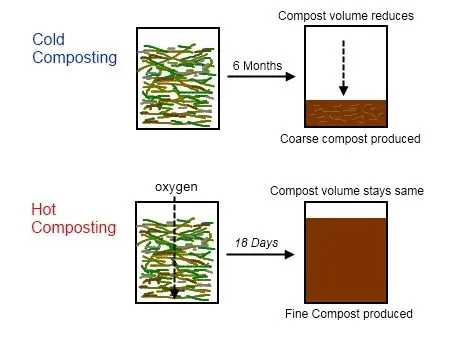
Hot composting uses heat-loving bacteria that thrive at high temperatures (55–70°C).
Cold composting (passive) relies on slower organisms like fungi, insects, and earthworms working at normal outdoor temperatures.
2. Speed of Composting
Hot composting can be completed in 3 weeks to 3 months. Cold composting is much slower, taking 6 months to over 2 years.
3. Heat and Sanitization
Hot composting generates significant internal heat, which helps kill weed seeds, pests, and harmful pathogens. Cold composting produces little heat, so it does not reliably sanitize the compost.
4. Effort and Maintenance
Hot composting requires active management, turning the pile, balancing materials, and monitoring moisture, which accelerates composting. Cold composting requires low effort; you simply add materials and let nature do the work.
5. Nutrient Breakdown
Hot composting breaks materials down quickly, but some nutrients (like nitrogen) can be lost during the process. Cold composting retains nutrients better over time, releasing them slowly into the soil.
6. Microbial Life
Hot composting temporarily reduces microbial diversity during high heat, though it recovers later. Cold composting maintains a more stable and diverse ecosystem throughout.
7. Odor and Pest Control
Hot composting doesn’t smell and keeps pests away when managed properly. Cold composting can attract pests if the pile becomes compacted or poorly aerated.
8. Space and Setup
Hot composting needs a larger pile size to maintain heat.
Cold composting is flexible and works in small piles or bins.
9. Climate Suitability
Hot composting works best in warm or moderate climates and is less effective in cold weather.
Cold composting works in any climate, though it slows down in colder conditions.
10. Final Compost Quality
Hot composting produces fine, uniform compost quickly.
Cold composting may result in uneven compost, with some partially decomposed materials.
How to Choose the Right Method
Choose hot composting: if you want fast results, have large amounts of organic waste, and can manage regular turning.
Choose cold composting: if you prefer a simple system that runs on its own. It works well for households producing small amounts of organic waste and for those who are not in a hurry.
Conclusion
Hot and cold composting achieve the same goal but through different paths; one prioritizes speed and control, the other prioritizes simplicity and patience. Many gardeners use both methods depending on the type and volume of material available. Both approaches reduce landfill waste and improve soil health, making them valuable tools for sustainable gardening.
Sources