



Preventing choking hazards in children is a vital aspect of keeping them safe as they explore and grow. Young children, especially those under the age of four, are at heightened risk because they are still learning to chew and swallow, and they often explore the world by putting objects in their mouths. By taking informed precautions with food, toys, caregivers can significantly reduce the risk of choking in children.
Ways to prevent choking hazards in children
1. Prepare foods carefully
Certain foods are more likely to cause choking due to their shape, size, or texture. Common examples include whole grapes, hot dogs, chunks of meat or cheese, popcorn, nuts, and sticky candies. These foods can easily block a young child’s airway if swallowed whole.
To minimize the risk:
- Cut foods into small, manageable pieces (for instance, slice grapes lengthwise).
- Remove bones and tough skin.
- Avoid sticky, hard, or round foods for children.
- Always tailor food choices to match your child’s chewing and swallowing abilities.
2. Ensure children are seated and focused while eating
Choking often occurs when children eat while walking, running, playing, or lying down. Encourage children to sit upright at a table or in a high chair during meals. Remind them to chew thoroughly and eat slowly. To promote safe eating habits: Minimize distractions such as screens, toys, or excessive noise during meals.
3. Remove small non-food objects from reach
Many choking incidents are caused by small household objects other than food. Items like coins, buttons, beads, marbles, pen caps, and small toy parts can easily obstruct a child’s airway. If an object can fit inside a standard toilet paper roll, it’s small enough to pose a choking risk.
4. Supervise, teach, and prepare for emergencies
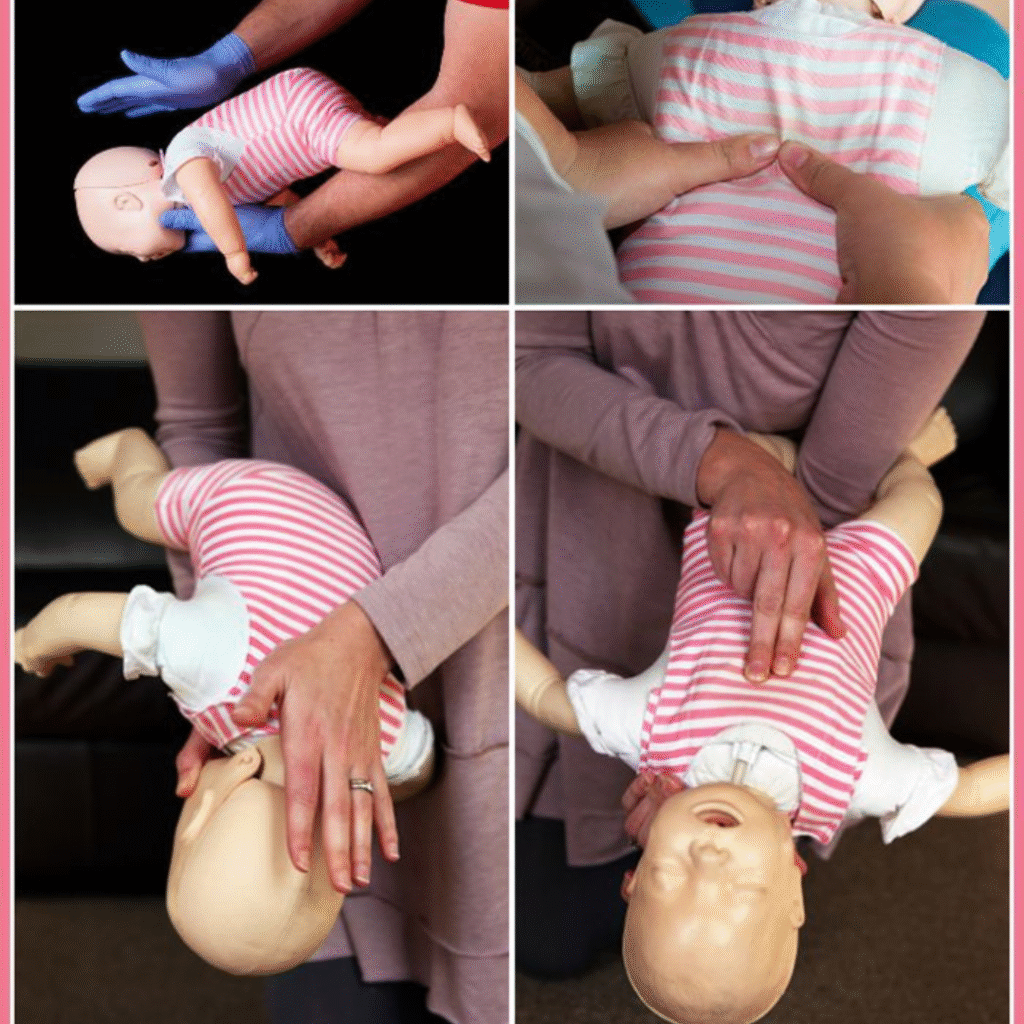
Active supervision is one of the most effective methods for preventing choking. Always stay close and attentive when children are eating or playing with small items. Caregivers should recognize choking signs, no talking, coughing, or breathing, and know the right first aid, like back blows or chest thrusts.
Additionally:
- Teach older children to eat slowly.
- Consider taking a certified infant and child CPR course to stay prepared for emergencies.
What to Do When a Child Chokes
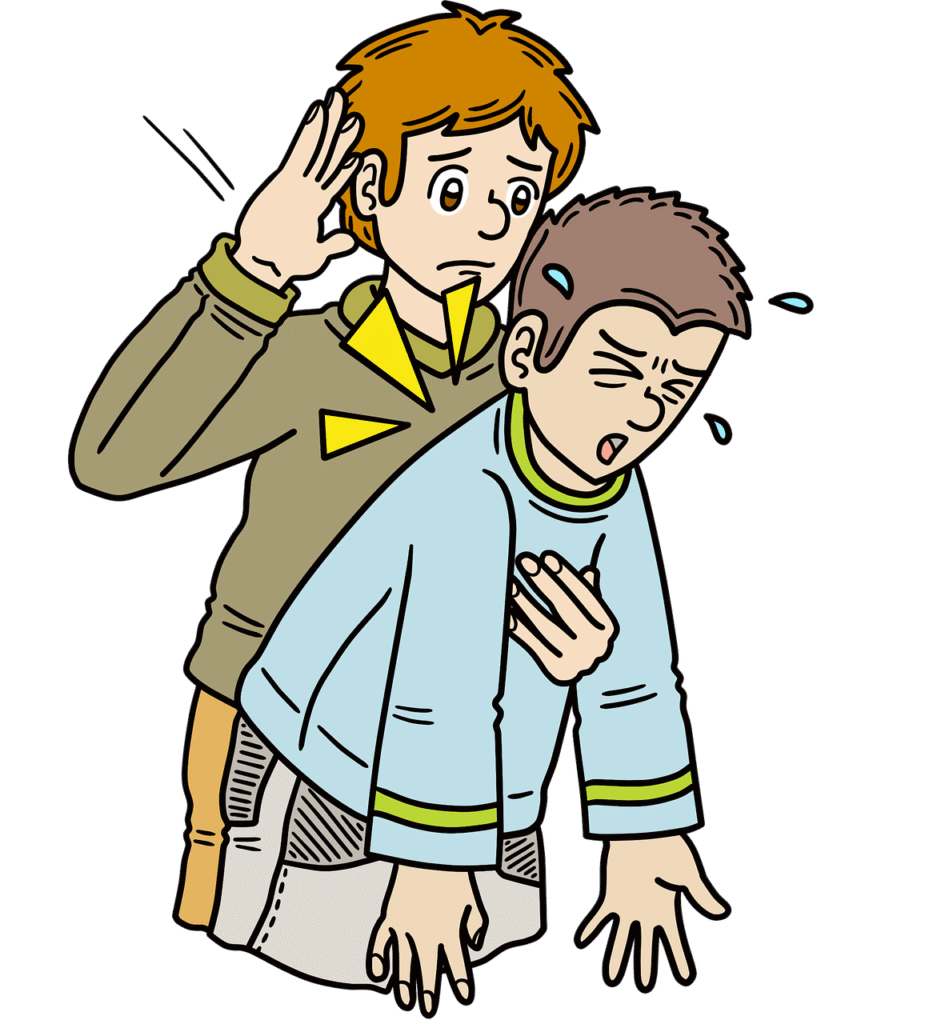
- Give 5 back blows between the shoulder blades.
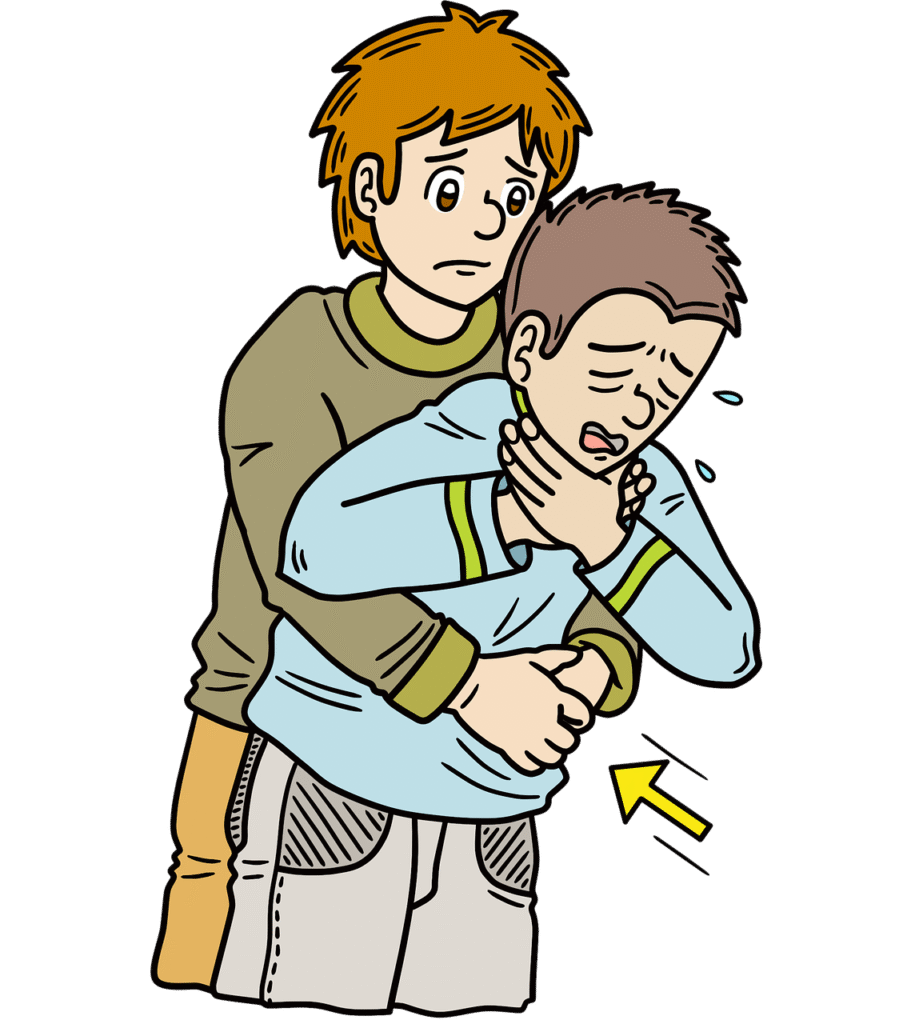
- If still choking, give 5 chest thrusts (for infants) or 5 abdominal thrusts (for older children).
- Repeat back blows and thrusts until the object comes out.
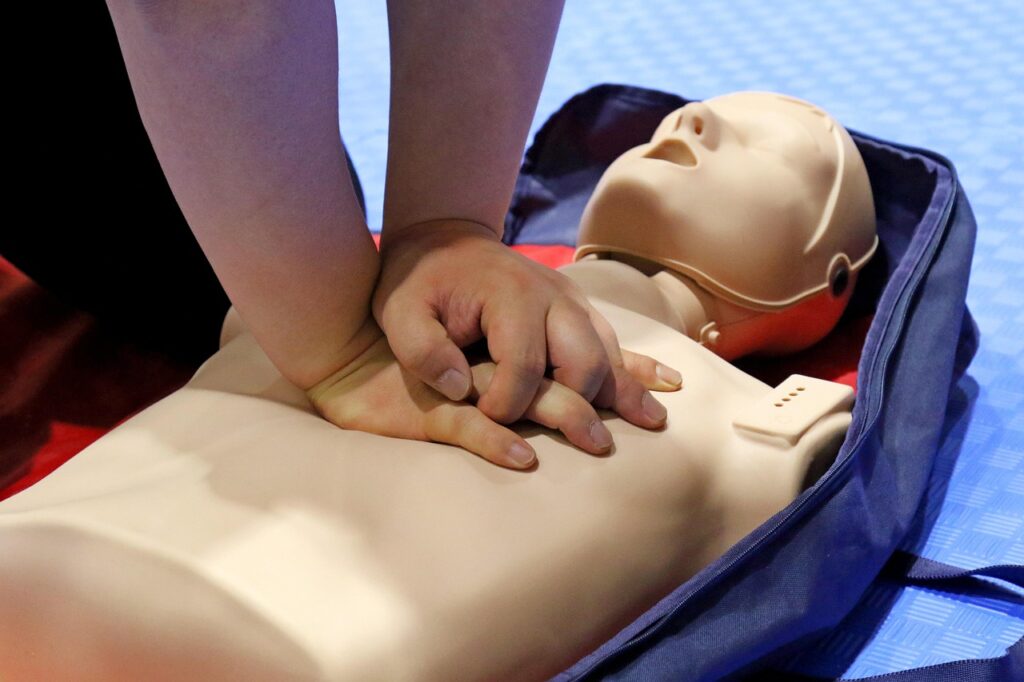
- If the child becomes unresponsive, start CPR and call emergency services immediately.
Conclusion
Preventing choking in children requires a combination of careful food preparation, close supervision, and a safe play environment. With these consistent habits, children can explore, play, and eat safely.