 20. April 2026
ORGANIZING BETTER FOR NEURODIVERGENT MINDS: SIMPLE WORKING SYSTEMS.
Organizing is often treated as a one-size-fits-all skill. But for neurodivergent, many traditional systems are difficult to maintain. Methods that rely on closed storage and multi-step routines can create more stress than structure. A neuro-inclusive approach focuses on something simpler: systems that are easy to use, easy to see, and easy to reset.
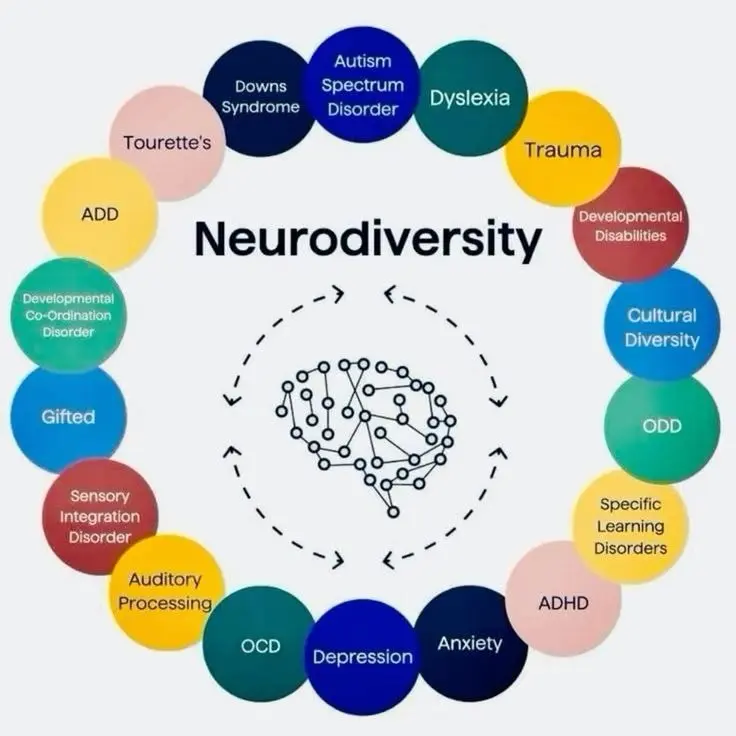
Why traditional organizations don’t work for neurodivergent
- Limited visual access to items: When items are stored behind closed doors, inside drawers, or in opaque containers, they are harder to track. Many neurodivergent individuals rely on visual cues to remember and locate items. Without visibility, things are more easily forgotten, misplaced, or repurchased unnecessarily.
- Overwhelming task size: Organizing traditionally often promotes tackling entire rooms or large categories at once. This can quickly become mentally overwhelming, making it difficult to start or sustain progress. As a result, tasks are often delayed or left unfinished.
- Time and memory challenges: Remembering where items were placed or maintaining complex systems can be difficult over time.
The core principle of organizing for neurodivergents
Organizing works best when it requires as little effort as possible. Systems that involve multiple steps, opening drawers, rearranging items, and folding precisely, are harder to maintain for neurodivergents, and they include:
1. Make things easy to see
Visual access reduces the need to rely on memory.
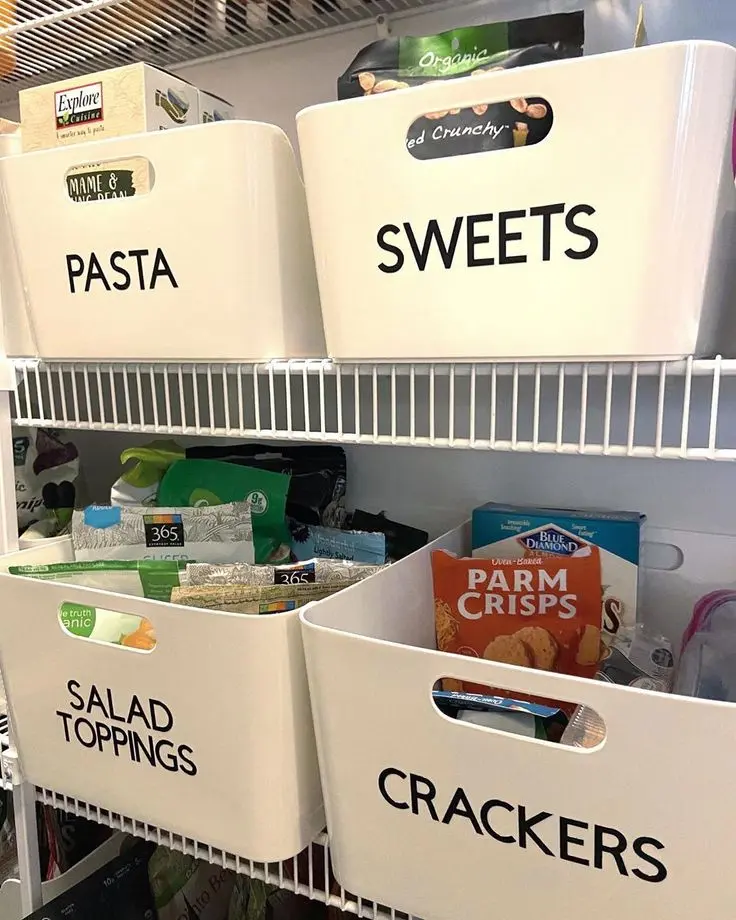
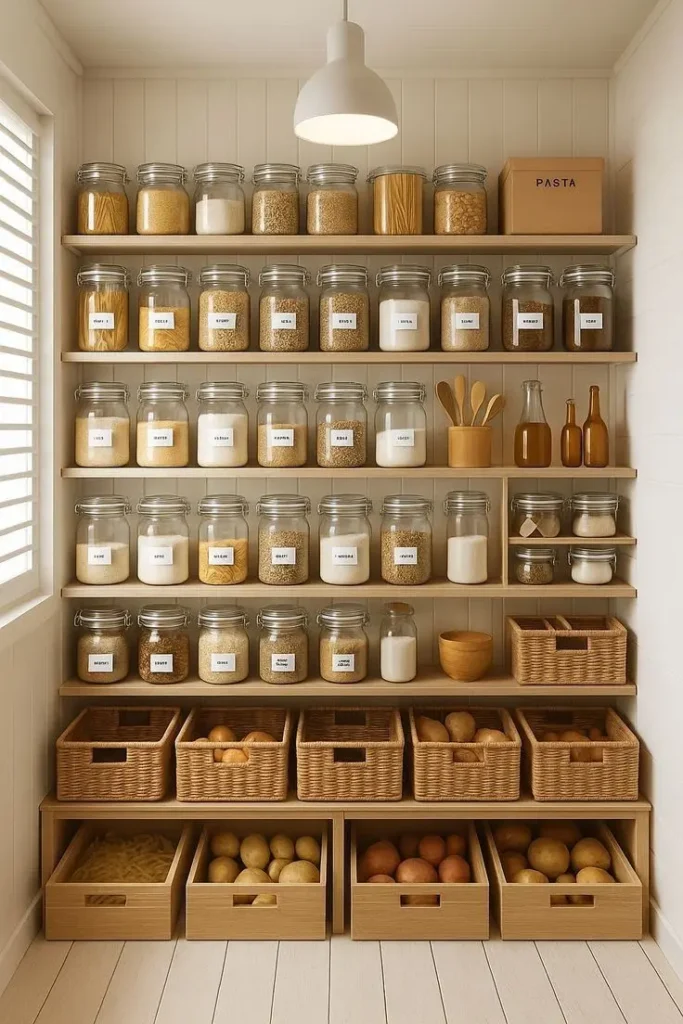
- Use open storage: Shelves, hooks, and clear containers keep items visible and accessible.
- Keep labels simple: Short, obvious labels like “snacks” or “bills” act as quick visual cues without adding complexity.
- Use colour for clarity: Assigning one colour per category or person creates a structure that is easy to recognize at a glance.
2. Organize smarter
Systems work better when they reflect how spaces are actually used.
- Create functional zones: Group items by activity rather than category. For example, a coffee-making area or a morning routine space reduces decision-making.
- Set up natural drop zones: Place storage where items are already being left. A hook by the door for bags or keys supports existing habits instead of forcing new ones.
3. Make it easy to maintain
Consistency improves when systems are quick to reset.
- Use short resets instead of long sessions: A 5–10 minute reset is often more manageable than extended cleaning periods.
- Build in simple reset points: A weekly basket for misplaced items or a short evening tidy routine allows spaces to recover without pressure.
4. Reduce overload
A calmer environment supports focus and reduces distraction.
- Limit visual clutter: Clear surfaces and avoid overly detailed micro-organizing systems.
- Adjust the environment: Soft, consistent lighting and reduced background noise can help prevent overstimulation.
- Choose calm, easy storage: Containers should be simple to open and visually unobtrusive.
Conclusion
Organizing in a neuro-inclusive way is not about creating perfect spaces. It is about building systems that reduce effort, support memory, and fit naturally into daily life.
Sources