 30. March 2026
THE IMPORTANCE OF REGULAR SAFETY CHECKS IN CHILDREN’S ROOMS.
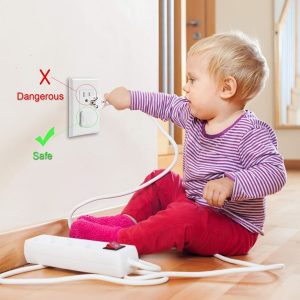
Ensuring a room is safe for children requires a proactive approach to risk management. Because children are naturally curious. This makes regular inspections essential for identifying risks like exposed electrical outlets before they lead to injury. Whether in a residential, daycare, or school setting, consistent safety checks serve as a critical strategy to maintain a secure environment where growth and health are prioritized.
Importance of regular safety checks
The primary reasons for conducting these checks include:
- Injury prevention: Regular checks ensure that common risks, such as unstable furniture, sharp edges, and choking hazards, are either removed or securely managed before an accident occurs.
- Hygiene and health: Sanitizing surfaces and washing bedding weekly reduces dust, mold, and bacteria.
Practical safety checklist for children’s rooms
Follow this checklist to identify and mitigate risks in a child’s room:
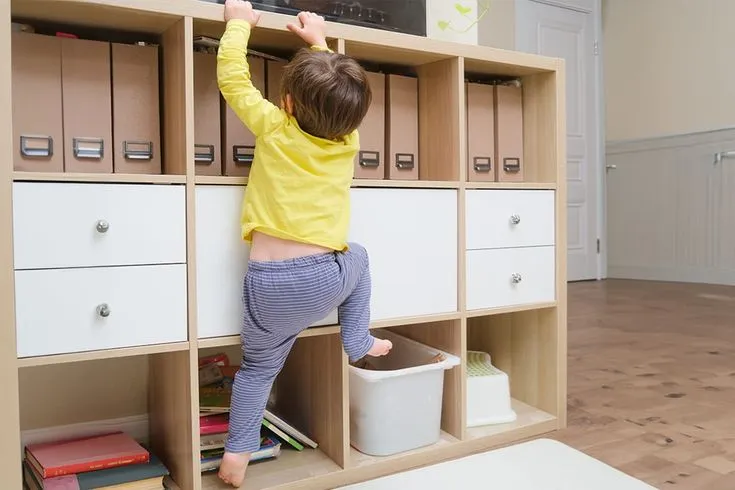
- Furniture and fixtures: Secure all heavy furniture to walls to prevent tipping. Regularly check for loose screws or broken parts, and ensure that all beds and cribs are sturdy and properly assembled to prevent falls and injuries.
- Electrical safety: Install high-quality outlet covers on all exposed sockets. Keep electrical cords well out of reach and immediately replace any wires showing signs of wear or damage.
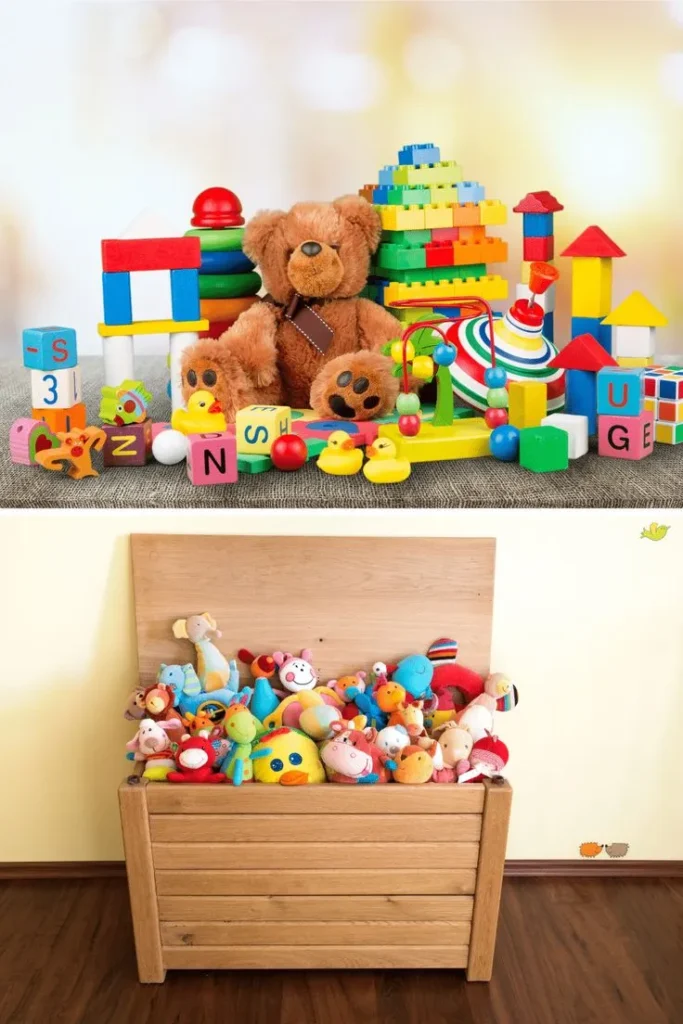
- Toys and play items: Conduct frequent audits to remove broken or sharp-edged toys. Ensure no small parts are accessible to younger children and rotate toys periodically to minimize clutter and tripping hazards.
- Hygiene and cleanliness: Maintain a rigorous cleaning schedule for floors and surfaces. Wash all bedding weekly and ensure the room has proper ventilation to maintain high indoor air quality.
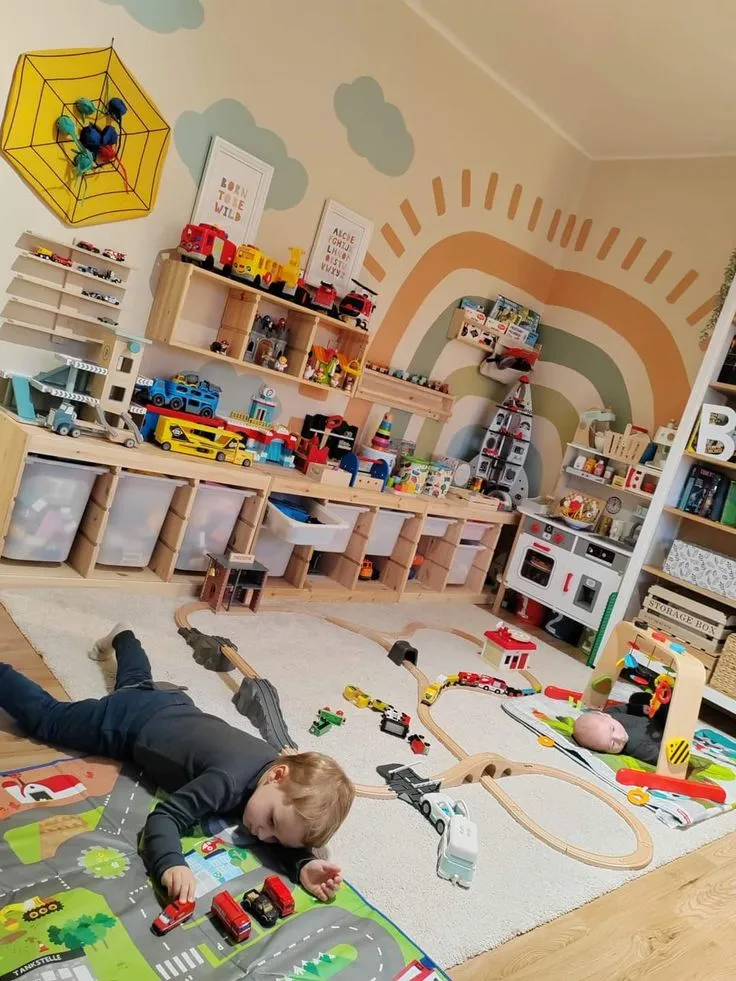
- Organization and layout: Keep floor spaces clear of obstacles to prevent falls. Store frequently used items within a safe reach for children and use clearly labeled storage to encourage consistent tidiness.
Conclusion
Regular safety checks are a powerful way to prevent accidents and protect long-term health. By identifying hazards early and keeping spaces clean, you create a secure environment where children can thrive. Consistency is the key, as children grow, their safety needs evolve. Start a weekly routine today to walk through the room and address any concerns; these small actions make a lasting difference.