 04. February 2026
HOW TO MAKE A NATURAL RUST REMOVER.
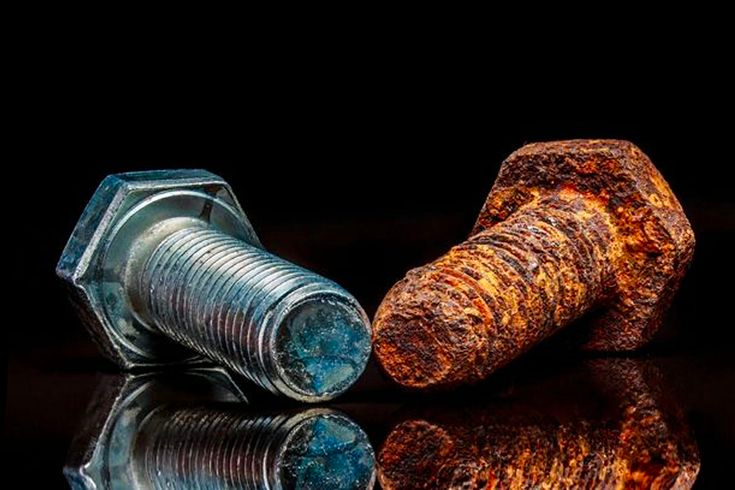
When iron, oxygen, and moisture meet, a chemical reaction called oxidation occurs, creating the reddish-brown flaky substance we know as rust. Beyond being an eyesore, rust is an electrochemical reaction that eventually eats away at metal surfaces, compromising their strength and function.
Fortunately, you don’t need harsh industrial chemicals to restore your metal items. Natural, eco-friendly solutions are often safer for your skin, the environment, and, surprisingly, sometimes even more effective than expensive commercial products.
Natural Rust Removal Methods
Rust consists of iron oxides formed during the oxidation of iron. Natural acids (like acetic acid in vinegar or citric acid in lemons) react with these oxides, transforming them into water-soluble salts. These salts then dissolve in water, leaving the solid, uncorroded metal behind. Adopt any of these natural rust removal methods:
1. The White Vinegar Soak (Best for Small Tools)
White vinegar contains about 5% acetic acid, making it a reliable choice for items that can be fully submerged:
- The Method: Submerge your rusty tools or hardware in a container of undiluted white vinegar.
- Time: Leave them overnight or for up to 24 hours.
- The Result: The acid breaks down the rust, allowing it to be easily wiped or brushed away the next day.
2. The Baking Soda Paste (Best for Large or Vertical Surfaces)
Baking soda is alkaline and works by neutralizing acidic elements in rust while providing a gentle abrasive for scrubbing:
- The Method: Mix baking soda with enough water to create a thick paste. Apply it generously to the rusted area.
- Time: Let it sit for at least an hour, or overnight for heavy rust—to create a “hard shell”.
- Pro Tip: If the paste is hard to remove, spray it with a little vinegar; the fizzing action helps break the bond with the metal.
3. The Citric Acid with Baking Soda
For a “supercharged” natural remover that rivals high-end commercial brands like Evapo-Rust, you can create a citrate solution:
- The Formula: To 1 liter of water, add 100g of citric acid and 63g of baking soda (or 40g of washing soda).
- Why it works: This creates sodium citrate, which removes rust through a process called chelation. Which is roughly 300 times less acidic than pure citric acid, making it much safer for the “good” metal while aggressively targeting the rust.
Preventing Future Rust
Here’s how to prevent future rust:
- Consider an Alkaline Barrier: One method some users suggest for large surfaces, like band saw tables, involves misting the metal with a mild alkaline solution (such as water mixed with two teaspoons of caustic soda) and allowing it to air dry to help neutralize acidity.
- Explore Natural Oils: You might try wiping tools down with mineral or camphor oil; these can create a thin, protective barrier that helps shield the steel from ambient moisture.
- Try Paste Wax: For work surfaces, applying and buffing a layer of paste wax is a popular suggestion. This not only acts as a rust deterrent but may also help wood slide more smoothly during use.
- Opt for Dedicated Lubricants: For tools stored in damp garages, you might consider using a product like CRC Long Life. Some find that it provides a more durable, resilient oily film compared to general-purpose sprays like standard WD-40, which may evaporate more quickly.
Conclusion
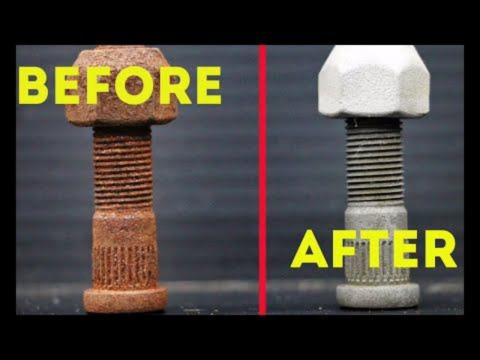
Before discarding an old garden tool, you might try a simple vinegar soak. In many cases, a 24-hour submerged soak in standard white vinegar can help loosen rust buildup, potentially restoring the tool’s appearance and functionality to a near-new state.