 03. September 2026
HOW TO PREVENT MOLD AROUND WINDOW FRAMES.
Condensation on window sills, dark spots on drywall, and fuzzy patches on wooden frames all point to excess indoor moisture. Mold thrives where warm, humid air meets cold surfaces, making window frames one of the most common places for it to develop. The solution is to stop moisture before mold has a chance to grow.
What causes mold around window frames?
Mold needs three things to grow: organic material, airborne spores, and moisture. Window frames already provide suitable surfaces, so excess moisture becomes the deciding factor.
The most common causes include:
- Surface condensation: Warm indoor air cools against cold glass, creating water that collects on sills and frame joints.
- High indoor humidity: Cooking, showering, boiling water, and drying clothes indoors add significant moisture to the air.
- Poor air circulation: Closed blinds, heavy curtains, and furniture placed against exterior walls trap cool, damp air around windows.
- Water leaks: Failed exterior caulking, damaged flashing, or blocked drainage channels allow water to collect inside the window assembly.
- Cold spots around the frame: Gaps in insulation can cool interior surfaces enough for condensation to form.
How to prevent mold around window frames

1. Control Indoor Humidity: Keeping indoor humidity within the right range is the most effective way to prevent mold.
- Maintain 30–50% relative humidity indoors. During very i cold weather, aim closer to 30% to reduce condensation.
- Use a digital hygrometer in bedrooms, basements, and living rooms to monitor moisture levels. If you do not have one, watch for signs of excess moisture, such as condensation on windows, damp walls, or a musty smell, and improve ventilation when needed.
- Use a dehumidifier in damp areas or during humid seasons, setting it to around 45% humidity.
2. Improve air circulation and ventilation: Better airflow helps warm window surfaces and carries away excess moisture before droplets form.
- Run bathroom exhaust fans and kitchen range hoods during use and for 20–30 minutes afterward.
- Open blinds and curtains during the day so warm room air can reach the glass.
- Use ceiling fans or your HVAC circulation mode during cold weather to reduce cold pockets near windows.
- Open windows for 5–10 minutes on dry days to replace humid indoor air with drier outdoor air.
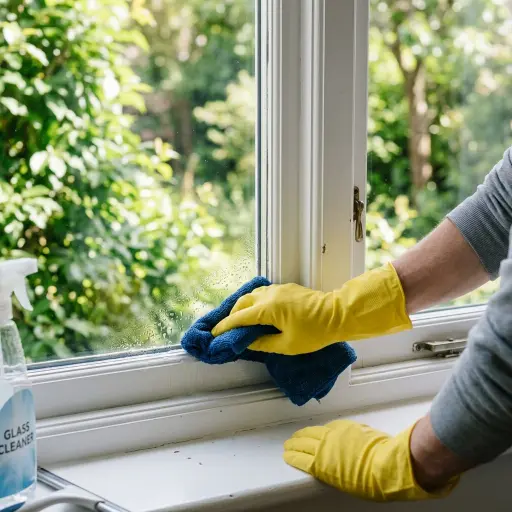
3. Dry condensation before it becomes a problem: Condensation can still appear during cold mornings, even in well-maintained homes. Drying it quickly prevents moisture from lingering long enough for mold to develop.
- Wipe glass, sills, and frame corners with a microfiber cloth or squeegee.
- Avoid drying clothes indoors near poorly ventilated windows. If necessary, use a dehumidifier or increase ventilation.
Mold can begin growing within 24–48 hours on damp surfaces, making prompt drying an important habit.
4. Seal leaks and insulate the window assembly: Air leaks cool the frame, while water leaks soak the surrounding materials. Both increase the risk of mold.
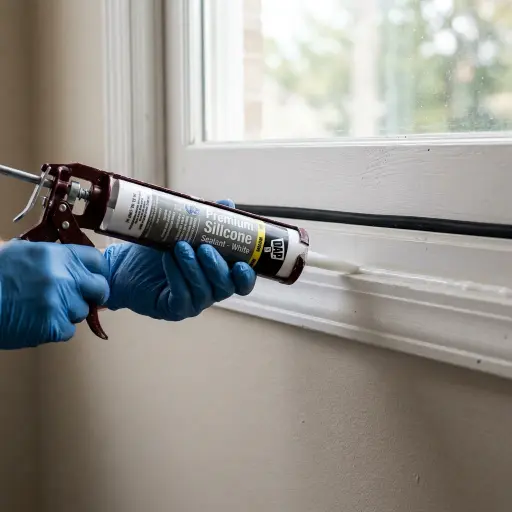
- Inspect exterior caulking each year and replace cracked or missing sealant with exterior-grade silicone or polyurethane.
- Replace worn weatherstripping on operable windows to reduce cold drafts.
- Clean exterior weep holes so trapped water can drain freely. Never seal these openings with caulk.
- During renovations, fill gaps between the window frame and wall with low-expansion spray foam designed for windows and doors.
How to clean existing window mold safely
If mold is limited to the surface of the frame or sill, clean it before focusing on prevention.
Step 1: Protect yourself
Wear a mask, rubber gloves, and eye protection. Open the room window while cleaning.
Step 2: Apply the cleaner
Spray distilled white vinegar or a commercial mold cleaner onto the affected area and leave it for 10–15 minutes.
Step 3: Scrub and wipe
Scrub with a soft nylon brush and wipe away residue with a damp microfiber cloth.
Step 4: Dry completely
Dry the area thoroughly with a fan or clean towels before repainting or sealing.
Step 5: Protect the surface
If repainting, use a stain-blocking antimicrobial primer followed by mold-resistant paint. Avoid using household chlorine bleach on porous wood or drywall. While it disinfects the surface, it does not penetrate porous materials effectively and can leave moisture behind where mold continues to grow.
Conclusion
Instead of repeatedly cleaning visible mold, focus on eliminating the conditions that allow it to grow. A few consistent maintenance habits can keep window frames dry and help maintain a healthier indoor environment.
Sources