


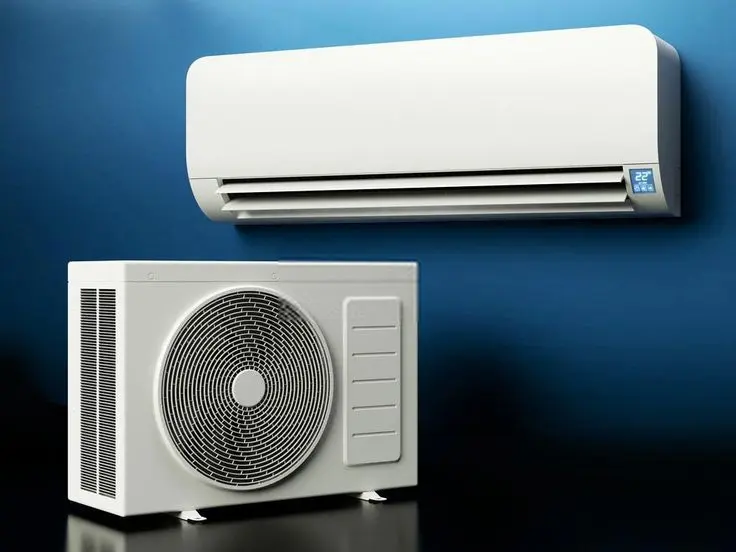

When temperatures rise, electricity bills often follow. Air conditioning is one of the largest contributors to household energy consumption during hot weather. Fortunately, the way you use your AC and the settings you choose can significantly affect its electricity consumption. The following tips will help you reduce air conditioning energy costs while keeping your home comfortable.
How to reduce air conditioning energy costs
1. Turn the AC off during extended absences
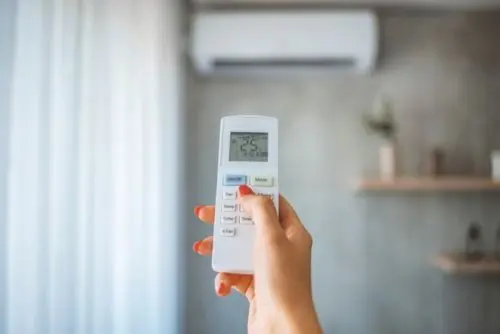
Many people leave their air conditioner on when they go out so they can return to a cool home. However, using the AC for hours in an empty house can increase electricity costs unnecessarily. If you will be away for several hours, it is usually more economical to turn the AC off. To avoid coming back to a warm house, set a timer or use a smart control feature to turn the unit on about 30 minutes before you return. Some smart thermostats and Wi-Fi-enabled air conditioners can also be controlled remotely through a mobile app, allowing you to activate cooling only when needed.
2. Set the right temperature
Most air conditioners allow temperature settings between 16°C and 30–32°C. Many people set the temperature to 16°C believing the room will cool faster. In reality, lowering the temperature setting does not make the air conditioner cool the room more quickly. Instead, it causes the compressor to run longer before reaching the selected temperature, resulting in higher electricity consumption.
The most suitable temperature depends on factors such as room size, insulation, outdoor conditions, and the cooling capacity of the air conditioner. For most homes, a setting between 24°C and 26°C provides a comfortable balance between cooling performance and energy efficiency. Lower settings generally increase electricity usage because the system must run for longer periods.
3. Avoid frequent temperature changes
Avoid constantly adjusting the thermostat throughout the day. Select a comfortable temperature and allow the air conditioner to maintain it. Frequent temperature changes can increase compressor runtime and lead to higher electricity consumption.
4. Use the right AC mode
Many people use only one air conditioner mode without realising that each mode is designed for specific conditions.
- Cool mode is the default setting that actively cools the room by running the compressor.
- Fan mode circulates air without activating the compressor. It uses significantly less electricity than cooling mode.
- Dry mode reduces humidity in the air, making the room feel more comfortable. In humid conditions, it can be more energy-efficient than continuous cooling.
- Auto mode automatically adjusts cooling and fan operation based on the room temperature, helping maintain comfort without unnecessary energy use.
- Sleep mode gradually adjusts the temperature during the night to maintain comfort while reducing energy consumption.
- Eco mode limits compressor activity and optimizes performance to reduce electricity usage. It is one of the simplest ways to save energy when using an air conditioner.
5. Clean the air filter regularly
A dirty air filter restricts airflow, forcing the air conditioner to work harder to cool the room. This leads to an increase in energy usage and poor performance. Air filters should be monitored, cleaned, or replaced as per the manufacturer’s specifications. During periods of heavy use, inspect the filter every one to two weeks. A clean filter improves efficiency, extends the unit’s lifespan, and helps maintain good indoor air quality.

6. Combine fans with your air conditioner
Fans do not lower room temperature, but they improve air circulation and create a cooling effect on the skin. This makes the room feel cooler without actually changing its temperature. Due to this effect, you can often raise your AC temperature slightly while still maintaining comfort, which reduces how often the compressor needs to run.
Standing fans, ceiling fans, or table fans can be used depending on what is available in the home. For best results, position the fan so it helps circulate cool air evenly across the room rather than directing airflow straight into the air conditioner.
Poor placement, such as blowing air directly into the AC unit, does not improve cooling efficiency and may reduce overall air distribution effectiveness. Always switch fans off when the room is unoccupied.
7. Schedule regular professional maintenance
Dirty coils, refrigerant problems, and malfunctioning components may contribute to decreased efficiency of the air conditioner over time. Professional maintenance helps ensure that all components operate efficiently and can identify potential issues before they lead to major breakdowns.
Efficient operation of your air conditioning system means that it will consume less electricity. Scheduling professional maintenance at least once a year can help keep the system running efficiently.
8. Upgrade an outdated air conditioner
Air conditioners that are more than 10–12 years old are often less energy-efficient than newer models. Air conditioners that are more than 10–12 years old are often less energy-efficient than newer models.
If you are purchasing a new air conditioner, look for models with high energy-efficiency ratings. Inverter air conditioners are often the most energy-efficient option. Unlike conventional systems that repeatedly switch the compressor on and off, inverter models adjust compressor speed to match cooling demand.
Conclusion
Air conditioning costs are influenced not just by usage frequency, but by how efficiently the system is operated. Temperature settings, usage habits, and simple tools such as fans all affect electricity consumption. By combining these simple habits with smart use of your AC’s features, you can stay comfortable while keeping energy consumption under control.
Sources