

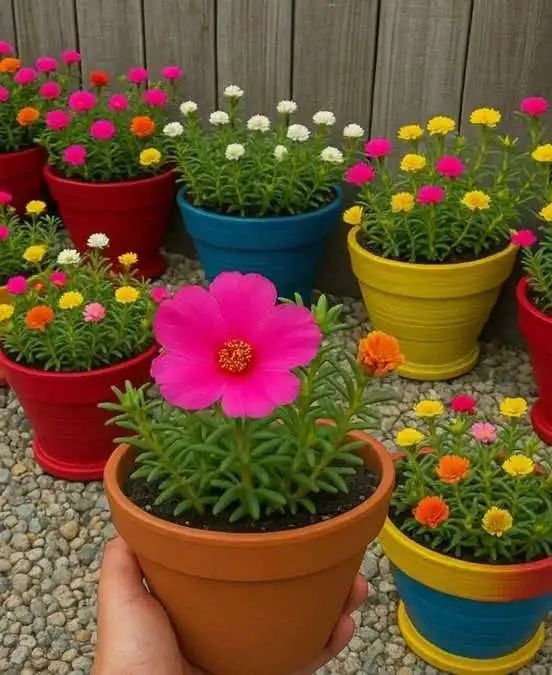

Water-wise gardening isn’t just smart, it’s essential. With unpredictable weather and rising water concerns, selecting plants that require minimal watering can save time, money, and effort. Drought-tolerant plants, also called xeriscape plants, bring beauty, texture, and color to your garden without demanding constant care. Here are 10 of the best drought-tolerant plants, and some beginner-friendly tips to help them thrive.
10 Drought-Tolerant Plants for Your Garden
1. Lavender
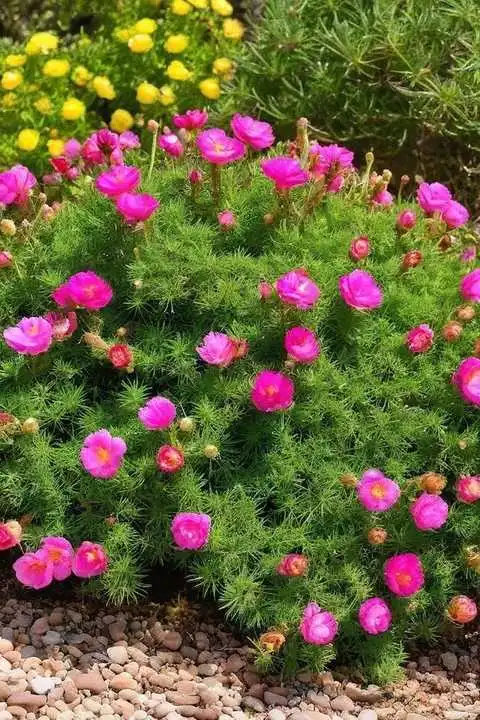
Lavender is a fragrant Mediterranean classic, ideal for sunny, dry spots. Its silvery, slightly woolly leaves reflect sunlight and conserve moisture, while its scent naturally repels deer and rabbits. Plant in full sun with well-drained, sandy or gravelly soil, and water only when the soil is dry. Over time, Lavender grows effortlessly with little maintenance, rewarding you with long-lasting blooms and the unmistakable scent of summer.
2. Coneflower (Echinacea purpurea)
A North American native, Coneflower is known for its daisy-like blooms and rugged resilience. Its deep taproot helps it reach water far below the surface, making it low maintenance once established. Choose a spot that receives plenty of sun, but the plant will also grow well in areas that get just a few hours of sunlight daily with well-drained soil, water sparingly after the first season, and leave some seed heads in winter to feed birds. Bees, butterflies, and other pollinators love it.
3. Sedum (Stonecrop)
Sedum is a succulent superstar, ranging from low-growing groundcovers to tall, architectural varieties. Its fleshy leaves store water, helping it survive long dry spells. This plant thrives in plenty of sunlight and ordinary garden soil. Too much water or overly fertile soil can cause the stems to weaken and droop. Tall varieties like ‘Autumn Joy’ add bright color in late summer and fall, and retain their shape into winter, making them great for rock gardens or containers.
4. Yarrow (Achillea millefolium)
With feathery, fern-like foliage and clusters of flat-topped blooms, Yarrow adds both beauty and practicality. Its finely divided leaves reduce water loss, and it’s tough roots anchor it in poor, dry soil. Yarrow can spread aggressively, so divide clumps every few years. Regularly removing faded flowers encourages the plant to bloom longer, and its aromatic leaves naturally repel deer and rabbits.
5. Russian Sage (Salvia yangii)
Russian Sage brings airy elegance with silvery stems and fragrant foliage that reduces water loss and sun damage. Grow this plant in a sunny spot where the soil dries out quickly after rain or watering. Once established, it rarely needs watering. Trim hard in early spring to promote fresh growth and maintain structure. Deer and rabbits usually leave it alone.
6. Agave
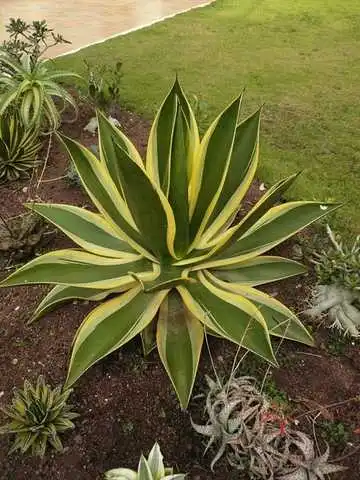
Agave makes a bold architectural statement. Its thick, waxy leaves store water, allowing it to withstand long dry periods. Plant this in a spot with plenty of sun and soil that drains quickly after rain or watering. Agave grows slowly and flowers after many years, producing a dramatic bloom before the parent plant dies. Its spiky form naturally deters wildlife.
7. Catmint (Nepeta)
Catmint forms soft mounds of aromatic, fuzzy foliage that shade the soil and retain moisture. Once matured, this plant requires little water, flourishes in full sun, and can still grow with partial sunlight. Cutting back after the first bloom encourages a second wave of flowers. Deer and rabbits tend to avoid it, making it a reliable, low-maintenance choice for borders.
8. Rosemary (Salvia rosmarinus)
More than just a culinary herb, Rosemary is tough and drought-tolerant. Its needle-like leaves and woody stems minimize water loss. Plant in full sun with sandy, well-drained soil. In colder climates, grow it in containers and bring it indoors during winter. Its scent repels deer, rabbits, and some pests while providing fresh herbs year-round.
9. Blue Fescue (Festuca glauca)
Ornamental grasses such as Blue Fescue add texture, movement, and drought resilience. It’s fine, wiry blades shade the soil and conserve moisture. Plant in a sunny location and provide minimal water except in extreme heat. Divide clumps every few years to maintain a tidy, rounded shape and long-term health.
10. Blanket Flower (Gaillardia)
Blanket Flower delivers bright summer-long blooms while thriving in poor, dry soils. Its hairy foliage conserves water, and it prefers full sun. Water only during prolonged dry spells and allow self-seeding to keep flowers coming year after year. With deer rarely bothering it, this plant is a lively addition to gardens designed to withstand harsh conditions.
Conclusion
Growing drought-tolerant plants is about working with nature, not against it. Young plants need consistent watering to establish roots, but once mature, they require minimal attention. Choosing a resilient variety ensures your garden remains vibrant, sustainable, and low maintenance, no matter how the weather shifts.