


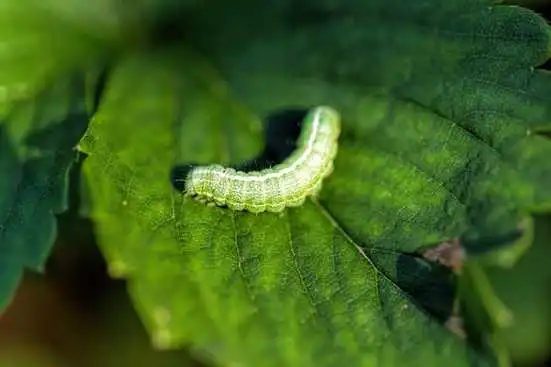

Cabbage worms are a gardener’s nemesis. These destructive caterpillars can quickly turn a healthy harvest of vegetables into a tattered mess. They feed on cruciferous vegetables such as cabbage, broccoli, kale, and cauliflower, causing significant damage by creating holes in leaves and tunneling into the plant’s core. Protecting your garden requires a proactive strategy that starts with early detection and a multi-pronged approach to control. The key is to act quickly; the sooner you intervene, the more effective your efforts will be.
Identifying Cabbage Worms
Cabbage worms are the caterpillars of several different moths and butterflies. While they all cause similar damage, knowing which type you’re dealing with can help you choose the best control method. Common cabbage worm species include:
- Imported Cabbageworm: This is the most common pest. The adult is a familiar white butterfly with one or two black spots on each forewing. The larvae are velvety green caterpillars, about 1.25 inches long, with a single yellow stripe running down their backs.
- Cabbage Looper: The adult is a brownish-gray moth, not a butterfly. The larvae are light green caterpillars with a distinct white stripe on each side. They get their name from their unique “looping” movement as they crawl.
- Diamondback Moth: The adult, often referred to as the cabbage moth, is a small, grayish-brown moth. Its larvae are small and slender, and some may have a subtle diamond-shaped pattern on their backs.
Signs of a Cabbage Worm Infestation
The best way to detect a pest problem is by the damage they cause. Look for:
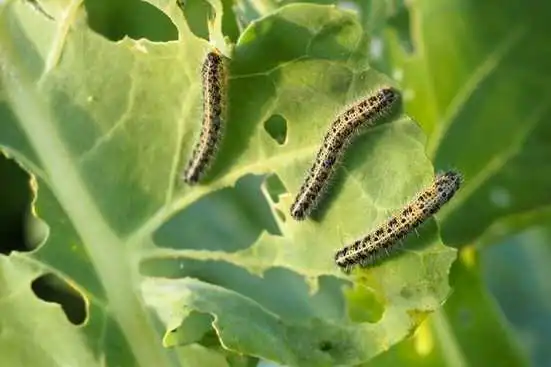
- Ragged Holes: Large, irregular holes in the leaves. Younger larvae may leave “windowpane” damage, where they eat only the surface layer, leaving a translucent patch.
- Frass: Small, dark green, pellet-like droppings on the leaves. This is a sure sign that caterpillars are present.
- Tunnels: In severe infestations, you may find tunnels in the heads of cabbage.
These pests can be difficult to spot because their green color helps them blend in with the foliage. Be sure to regularly check the undersides of leaves, especially near the main veins and in the plant’s center, as this is where they tend to hide.
Best Practice for Cabbage Worm Control
For a sustainable approach, start with non-chemical methods before considering less-toxic chemical options. These involve physical and biological control, and include:
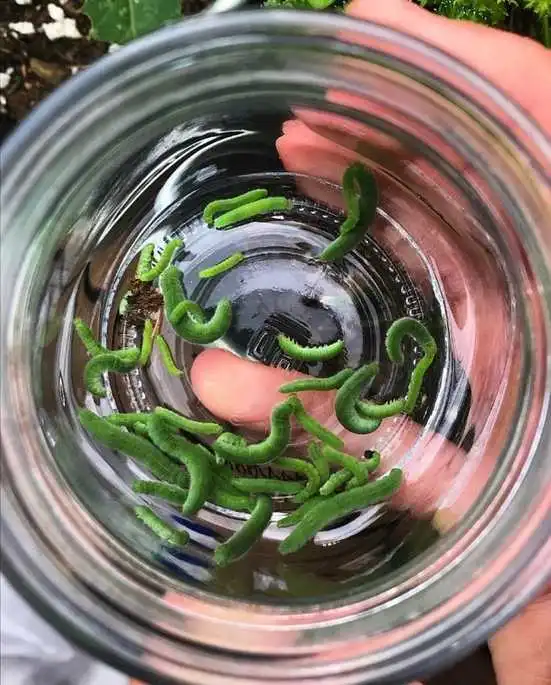
- Hand-Picking: For small gardens, manually removing the caterpillars is highly effective. Inspect your plants daily and place any worms you find into a bucket of soapy water to kill them.
- Beneficial Insects: Promote natural predators in your garden by planting a variety of flowers and herbs, such as dill, thyme, and marigolds, to attract beneficial insects like parasitic wasps, spiders, and ground beetles that prey on cabbage worms.
- Beneficial Nematodes: These microscopic organisms are natural parasites of many garden pests, including cabbage worm larvae. Apply them to the soil, following the package instructions, typically in the evening to protect them from sunlight.
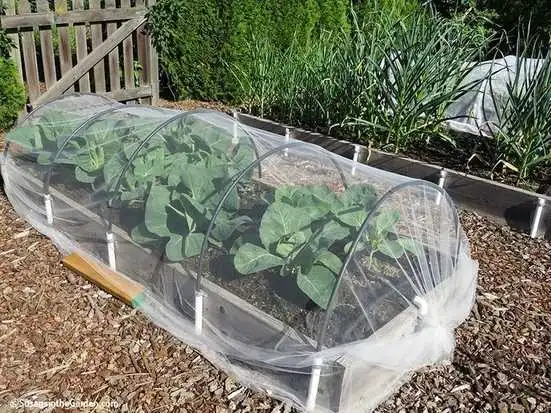
- Floating Row Covers: These lightweight fabric covers act as a physical barrier. They let in sunlight and water while preventing adult moths and butterflies from reaching your plants to lay eggs.
Targeted Pesticide Control Options
When non-chemical methods aren’t enough, consider these targeted, less-toxic options:
- Bacillus thuringiensis (Bt): Effective, naturally occurring, Bacillus thuringiensis is a soil bacterium that serves as a highly effective, organic pesticide. When caterpillars eat leaves treated with Bt, the bacteria produce a toxin that stops their feeding, causing them to die. Bacillus thuringiensis is safe for humans and most beneficial insects, but it will be effective against butterfly and moth caterpillars. For continued protection, reapply the spray every 7-10 days, and always after a rainfall, as sunlight can degrade its potency.
- Neem Oil is a versatile botanical pesticide that acts as a repellent, an insecticide, and a fungicide. It disrupts an insect’s life cycle, making it an effective tool against pests. To apply it, thoroughly spray the undersides of leaves where eggs and larvae are found. For best results and to protect beneficial insects, including pollinators, apply the oil in the early morning or late evening to avoid leaf burn from harsh sunlight. While it’s less toxic than conventional pesticides, it’s important to use neem oil with caution to minimize its impact on beneficial insects.
Prevention Strategies
These strategies are designed to help you stop an outbreak before it even begins, and they include:
- Crop Rotation: Avoid planting cruciferous vegetables in the same spot year after year. Rotating your crops disrupts the life cycle of pests that lie dormant in the soil, preventing population buildup.
- Companion Planting: Use plants that naturally repel cabbage worms. Strong-scented herbs like dill and thyme can mask the scent of your vegetables, making it more difficult for pests to locate them. You can also use “trap crops” like mustard plants or nasturtiums to lure pests away from your main garden.
- DIY Repellent Sprays: You can create your own sprays using common household ingredients. A mixture of garlic and water with a few drops of dish soap or a simple soap-and-water solution can deter pests.
Conclusion
Successful cabbage worm management relies on a three-part strategy: proactive prevention, physical, and biological controls.