


Creating a haven for local birds can transform your garden into a lively sanctuary of color and song. Beyond the sheer delight of their presence, birds play a vital role in a healthy ecosystem, acting as natural pest controllers and pollinators. This guide will show you how to attract birds by providing the three essential elements they need to thrive: food, water, and shelter.
Benefits of a Bird-Friendly Garden
Turning your garden into a bird-friendly sanctuary is a rewarding effort that brings a little piece of the wild into your everyday life. The benefits of learning how to attract birds include:
- Natural Pest Control: Birds serve as a natural form of pest control by feeding on common garden pests, including aphids, caterpillars, and slugs. This reduces the need for chemical pesticides, creating a healthier environment.
- Pollination and Seed Dispersal: Birds, especially hummingbirds, are excellent pollinators. They also help to disperse seeds, which contributes to the health and diversity of your local plant life.
How to Attract Birds with Food
Providing a consistent food supply is the quickest way to attract a diverse range of birds. Mastering how to attract birds with food is all about adjusting what you provide with the seasons to ensure they have the right nutrition year-round. For example:
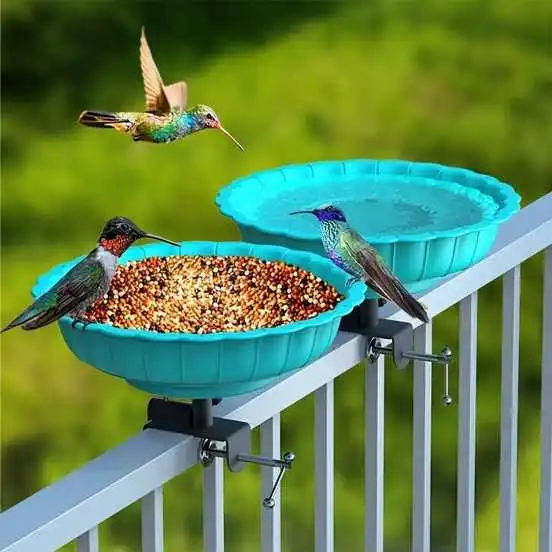
- In winter, when natural food is scarce, offer high-energy options like suet, peanuts, and cracked corn to help them stay warm and healthy.
- In spring, focus on protein-rich foods to support the breeding season, such as mealworms, suet, and peanut pieces.
- During summer, it’s best to limit feeding to encourage birds to find natural insect sources, which are crucial for feeding their young.
- In autumn, provide millet and suet to help them build up energy for migration or prepare for the winter season.
- Never give birds human foods, as they can be toxic and lack the necessary nutritional value. For example, chocolate contains compounds that can cause tremors and seizures, and bread provides no nutritional benefit, which can lead to malnutrition.
Choosing and Placing Feeders
- To provide different types of food, choose the right feeder. Use tube feeders for small seeds, such as nyjer; hopper feeders for larger seeds; and mesh baskets for suet.
- To keep birds safe from ambush predators like cats, place feeders at least 10 feet away from dense shrubs. This is a key part of how to attract birds safely. This distance reduces the cover that predators can use for a surprise attack, giving birds a better chance to escape.
- To attract a wider variety of species, place feeders at different heights. Some birds prefer to feed on the ground, while others prefer elevated or hanging feeders.
- Clean feeders every two weeks with a solution of nine parts water to one part bleach to prevent the spread of disease.
- Clean up any spilled food on the ground and periodically relocate feeders to prevent waste buildup.
Attracting Birds with Fresh Water
A source of clean, fresh water is one of the most beneficial resources you can provide for birds, especially during extreme weather (cold and hot). It’s important for both drinking and bathing, as bathing keeps their feathers in good condition for insulation and flight. Providing a constant supply of clean water is particularly important because birds often resort to contaminated puddles, exposing them to pollution and disease. Here are the steps for providing fresh water for birds:
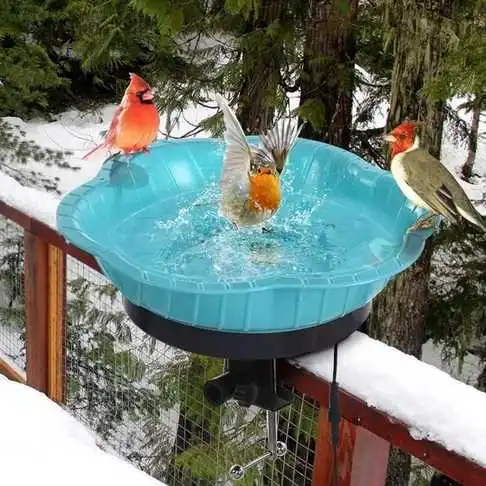
- A shallow bird bath is a good starting point. Choose one with a rough surface to help birds grip better. For a quick and simple DIY solution, a wide, shallow plant pot tray works perfectly. To attract more birds, think about adding a feature with moving water, as the sound is a strong lure. A small dripper or waterfall can make a big difference.
- To prevent the spread of disease, clean your bird bath every few days. Use a stiff brush to scrub away dirt and algae, then rinse thoroughly. For a deeper cleaning, use a solution of one part white vinegar to nine parts water.
- During colder months, a continuous supply of water is essential. Consider using a bird bath heater designed to keep part of the water from freezing.
How to Attract Birds Using Shelter and Nesting Sites
Birds need safe places to hide from predators, find refuge from bad weather, and raise their young. By creating inviting and secure spaces, you can make your garden an ideal home for them by:
- Creating Natural Shelter and Nesting Sites
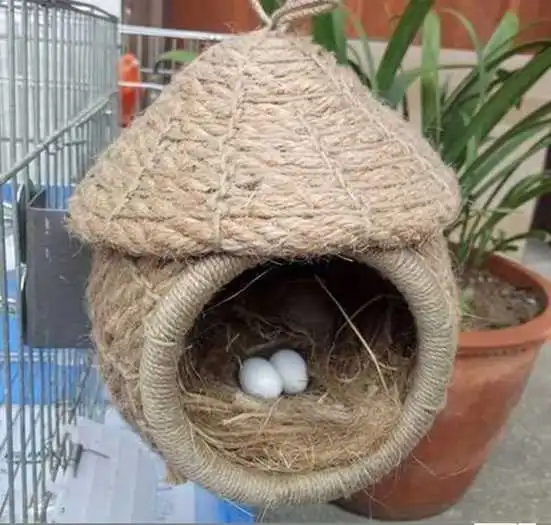
Planting a variety of native species is one of the best ways to provide shelter. Dense foliage from trees, shrubs, and hedges offers excellent cover from predators and harsh weather. Consider adding thorny shrubs such as hawthorn or pyracantha, which provide an extra layer of protection. To attract different species of birds, create a layered habitat with low-growing plants, mid-sized shrubs, and tall trees. Plants that produce berries and seeds, such as holly and elderberry, serve a dual purpose by offering both shelter and a natural food source.
You can supplement natural shelter by installing nesting boxes designed for the native species in your area. Place these with the entrance hole facing away from prevailing winds and at a height that protects them from ground predators. Additionally, leaving some natural materials such as brush piles or tall grasses in your garden will provide birds with materials for building their nests. Avoid trimming hedges during the spring breeding season to prevent disturbing active nests.
- Protecting Birds from Predators
One of the most effective ways to protect birds is by controlling potential threats. Keeping pet cats indoors, especially during nesting season, is crucial to significantly reducing bird mortality. When placing feeders, choose a strategic location that is far from dense shrubs where predators can hide. Maintaining plenty of thick cover and hedges in your garden will also provide birds with safe escape routes.
Conclusion
By following these steps to provide a consistent source of food, water, and shelter, you’ll not only attract birds to your garden but also contribute to the health of your local ecosystem.