



A water meter is an essential device installed on the main water supply line of your property. It accurately measures the volume of water you use. By understanding how to read and use your water meter, you can effectively monitor your water usage, manage your budget, and detect costly leaks early. This guide provides a comprehensive overview of the water meter, including its operation, reading instructions, and leak detection capabilities.
How Water Meters Work
Residential water meters come in two main types, and they are:
- Positive Displacement Meters: These are the most common type of water meter for homes. A positive displacement meter functions by using a compact, precisely sized chamber within the meter. As water flows through, it causes an internal part, either a piston or a nutating disc, to move. The meter then simply counts these movements and translates them into your total water usage, typically displayed on a digital readout. Think of it like a turnstile that lets a specific number of people through one at a time and counts each person as they pass.
- Velocity Meters: As the name suggests, they calculate water usage by measuring the speed at which water flows through the pipe. This meter uses a small turbine or propeller inside the meter. The faster the water flows, the quicker the propeller spins. The meter then uses this rotation speed to calculate the total volume of water that has passed through. Velocity meters are more suitable for measuring large volumes of water and are often used in commercial or industrial settings.
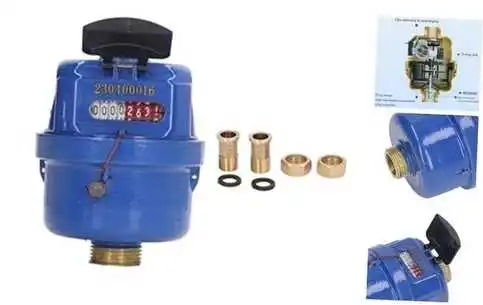
Locating and Reading Your Meter
In many places, including the U.S. and the U.K., you can find your water meter in a concrete or plastic box marked “WATER.” This is typically located near the street at the front of your property, often in line with your main outdoor faucet. However, the exact placement can vary based on local regulations and your utility company’s preferences. To open the meter box, use a large, flathead screwdriver to unlatch the box. It’s a good idea to wear gloves to protect your hands from dirt or insects.
Water meters use two primary display types: analog (dial) and digital. Both types of meters present the data gathered by the meter’s measuring mechanism, but the way you read them differs. Here’s how to read them:
Reading Analog Meters
Analog meters resemble a car’s odometer, with dials and rotating hands. Here’s how to read one:
- The main horizontal rotating numerals (the register) measure the total volume of water used. This is the number you’ll use for billing purposes.
- The large, red, clock-like dial is the high-flow indicator. Each full rotation measures a specific volume (e.g., 10 gallons), making it useful for detecting larger flows.
- The low-flow indicator is a small, star-shaped or triangular wheel that spins with even the slightest water movement, making it the best tool for leak detection. This video demonstrates the process.
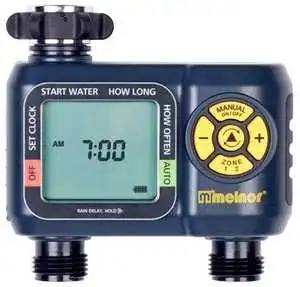
Reading Digital Smart Meters
Digital meters display numbers on an LCD screen, much like a calculator. To read a digital meter, you will need to activate the display by shining a flashlight or your phone’s light on the sensor. The screen will then show the current meter reading.
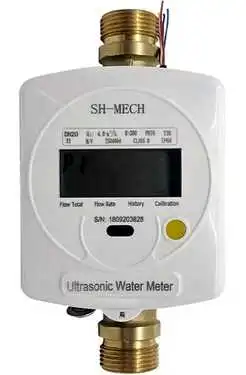
How to Detect Leaks Using a Water Meter
Here’s a step-by-step guide on how to do it:
For Analog displayed meters:
- Turn off all water-using appliances and faucets in your home (e.g., washing machine, dishwasher, toilets).
- Observe the low-flow indicator (the small triangle or star). If it’s spinning, it means there is a leak.
- For a very slow leak, you may not see the indicator move immediately. In this case, record the current meter reading, wait at least 30 minutes without using any water, and then recheck the reading. If the number has changed, there is a water leak.
For Digital Meters:
- Shut off all water-using devices.
- Activate the meter’s display.
- A flow rate greater than zero when all water sources are turned off indicates a hidden leak.
- Some digital meters use a flashing or solid symbol (like a tap or water droplet) to indicate continuous flow over the last 24 hours, which is a strong indicator of a leak.
Leaks never get better on their own. If you cannot find and fix the leak yourself, contact a professional plumber immediately.
Essential Water Meter Maintenance
Regular maintenance ensures your water meter remains accurate and reliable.
- Check for damage: Periodically inspect the meter and its surroundings for any signs of faults. Addressing these issues early can prevent more significant problems.
- Keep it clean: Ensure the meter box is clear of dirt and vegetation.
- Professional services: Over time, meters can become less accurate. Follow the manufacturer’s guidelines or consult a professional for periodic calibration to ensure your meter provides precise readings.
Conclusion
By taking an active role in understanding and maintaining your water meter, you can monitor your water usage, conserve water, and keep your home’s plumbing system in good condition.