


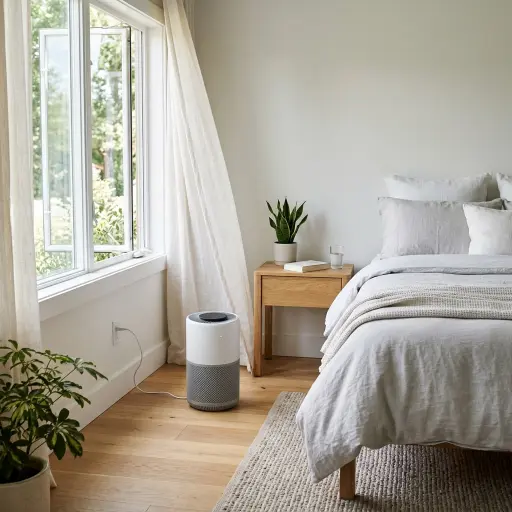

It can be frustrating when you realize that one particular room in your house feels stuffy, has an unpleasant odor, or triggers allergy symptoms while the air in other rooms seems fresh. Indoor air quality can vary greatly from room to room because of airflow patterns, pollutant sources, and room design. Solving indoor air quality problems requires understanding what is causing the buildup of pollutants in that particular location.
Primary causes of poor air quality in a particular room
The following factors contribute to poor ventilation and higher pollution levels in a specific room.
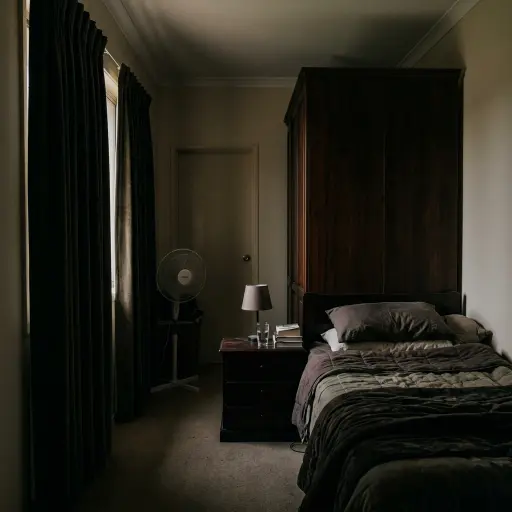
1. Poor air circulation
Air circulation is another factor that may make one room more stuffy than the rest of the rooms. Lack of good air circulation will result in the buildup of heat, dust, smells, and other particles in the air, making the air in the room less fresh. Poor ventilation may be caused by closed doors and windows, few openings, and excessive furniture. and poor design of the room.
2. High humidity and moisture
Do you experience a musty odor in a room, damp spots on the walls, or clothes that do not dry easily in a certain area of your house? These are all signs of excessive moisture. Areas like bathrooms, kitchens, and bedrooms that have wet walls and poor ventilation will have more moisture than other parts. This will eventually cause the growth of mold and mildew, which will release spores into the air and cause sneezing, coughing, or other respiratory irritation.
3. Locally produced pollutants and chemicals
Certain actions produce large amounts of pollutants in specific locations. In home offices, electronic equipment produces VOCs. Craft rooms have glue and paint, while bedrooms have a lot of dead skin and dust mites in beds and carpets. Without proper ventilation in such rooms, the pollutants will remain trapped.
Simple solutions to improve air quality in a room
- Enhance air circulation: Avoid placing furniture or other objects to block windows or doors. Open the doors and windows whenever possible to let fresh air circulate through the room, provided the outdoor air quality is good.
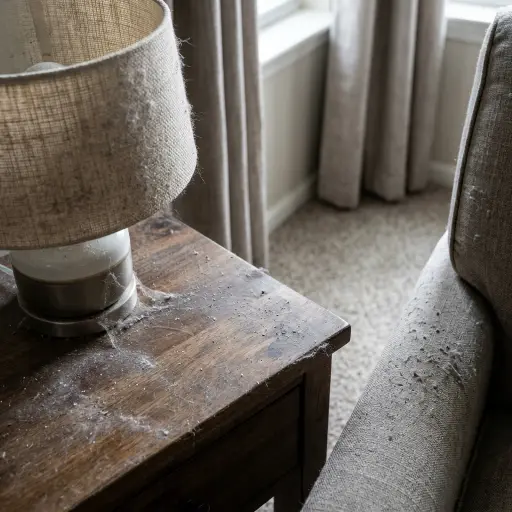
- Dust and allergens removal: Ensure regular cleaning of the floors, carpets, curtains, bedding, and upholstery to get rid of dust, pet dander, and other particles that may impact indoor air quality.
- Air purification system: Use an air purifier with HEPA filters to trap airborne particles such as dust, pollen, and pet dander. Activated carbon filters can be helpful in getting rid of odors.
- Control excess moisture: If the room smells musty or appears damp, look out for leaks, dampness on the walls, and other sources of moisture, and use a dehumidifier as required.
- Avoid strong smells and chemicals: Limit your use of aerosols and chemicals in the room, such as strong cleaners and air fresheners. Also, be sure to store any paints and other chemicals safely away in their containers.
Conclusion
Air circulation, controlling the humidity, and reducing dust and smells will help to make the room fresher and more comfortable. Have you had poor air quality in one room in your house?
Please leave a comment below and tell us how you solved the problem.
Sources: