

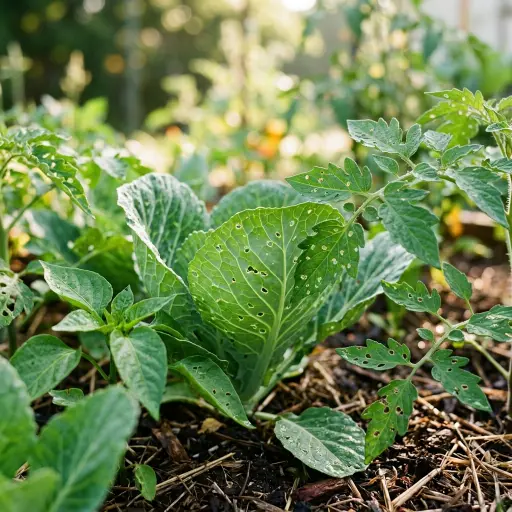

Small, scattered holes in vegetable leaves are usually a sign of pest activity or disease. The size, shape, and location of the holes can help identify the cause. Checking the leaves closely and looking for signs of pests can make it easier to address the problem before the damage spreads.
Reasons for Tiny Holes in Vegetable Leaves
There are several common garden pests, and diseases can leave small holes in vegetable leaves:
- Flea beetles: These small, jumping beetles chew tiny, round holes that can make leaves look as though they have been peppered with small shots. Tomatoes, eggplants, peppers, potatoes, and young brassica seedlings are common targets. Damage is often most noticeable on young plants.
- Thrips: Thrips scrape the surface of leaves and feed on plant tissue, causing tiny damaged areas that may develop into yellow, silvery, or brown patches. Damage is often concentrated around new growth.
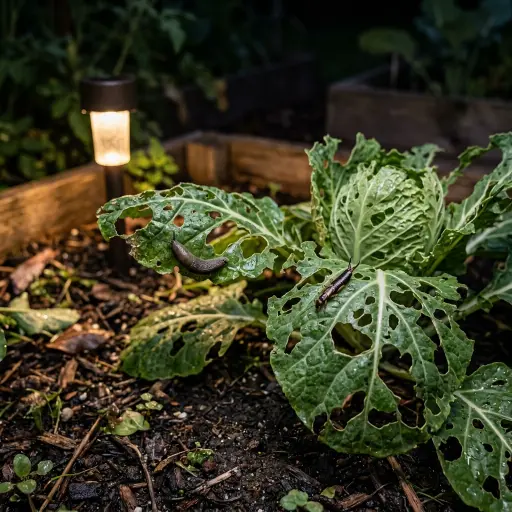
- Young slugs: Small slugs can chew irregular holes in the middle of leaves rather than feeding only along the edges. They are most active at night and during cool, damp conditions, so checking plants after dark can help confirm their presence.
- Earwigs: Earwigs feed mainly at night and can leave irregular, ragged holes in leaves. Tender new growth can be particularly vulnerable.
- Shot hole disease and cercospora: Some fungal diseases begin as small discolored spots. As affected tissue dries and falls away, small holes can remain in the leaves, sometimes surrounded by yellow or brown tissue. These diseases are more likely to develop during warm, wet conditions.
How to Stop Tiny Holes in Vegetable Leaves
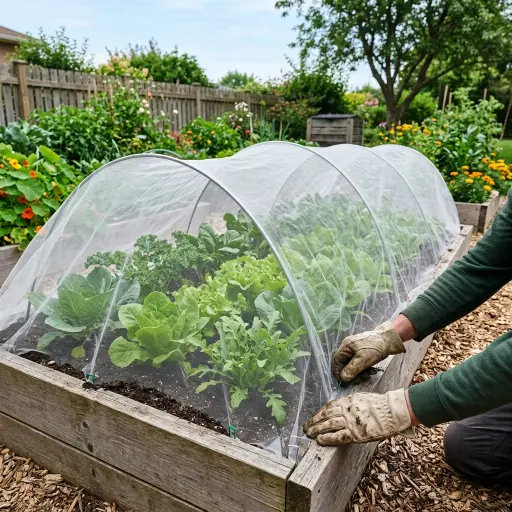
- Cover young plants: Lightweight insect netting or row covers can protect young plants from many insect pests. Secure the edges well and remove covers when plants need access to pollinators.
- Check for pests at night: Slugs and earwigs are often easier to spot after dark. Remove visible pests by hand and use suitable traps where necessary. Avoid creating consistently damp hiding places around affected plants.
- Use targeted pest treatments: Insecticidal soap can help control some soft-bodied pests, including thrips, when used according to the product label. For flea beetles and other chewing pests, physical barriers are often useful, especially while plants are young.
- Improve airflow and watering habits: Fungal diseases spread more easily when leaves remain wet, and plants are crowded. Give plants adequate spacing and water at the soil level rather than repeatedly wetting the foliage.
- Remove badly affected leaves: Pruning heavily damaged or diseased leaves can help reduce sources of infection. Do not leave infected plant material around the base of the plant.
- Clean up plant debris: Fallen leaves and dead plant material can provide shelter for pests and help some plant diseases persist. Removing debris from affected beds can reduce problems in future growing seasons.
Conclusion
Tiny holes in vegetable leaves are usually manageable once you identify the cause. Examine the shape and pattern of the damage, check plants at night for slugs and earwigs, and look for signs of disease or insect activity. Early action with protective covers, pest control, better watering practices, or garden cleanup can prevent minor leaf damage from becoming a larger problem.
Sources: