



Home safety for seniors living alone starts with small, practical changes rather than expensive renovations. The goal is to remove hazards, keep help within reach, and prepare for unforeseen situations such as falls or power outages. These safety measures can work in any home and on any budget, even where electricity is unreliable.
What are some of these safety measures?
The following safety measures can help keep a senior safe and independent at home:
1. Clear floors and fix tripping hazards: Falls are a major safety concern for older adults, making floor hazards one of the best places to start. These changes can make everyday movement around the home much safer. They include:
- Remove loose rugs or secure them firmly to the floor.
- Keep walkways free of cords, boxes, shoes, and furniture that extends into the walkway.
- Repair uneven flooring, broken tiles, and loose floorboards promptly.
- Choose flooring with good grip and avoid polished surfaces in hallways and around the home.
- Choose shoes or slippers with firm soles instead of walking in socks.
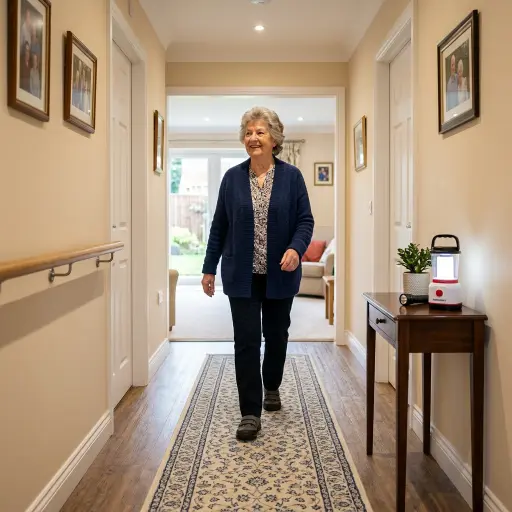
2. Improve lighting: Poor lighting can increase the risk of nighttime falls, particularly when electricity is unreliable. To avoid such risk, do the following:
- Add bright lighting to stairs, hallways, entrances, and other frequently used areas.
- Keep a battery-powered torch or lantern beside the bed for power outages.
- Consider a wind-up or solar lantern in areas with frequent outages.
- If reliable electricity is available, consider motion-sensor lights. Otherwise, use lamps with switches that are easy to reach.
The goal is to ensure the senior can get light without walking across a dark room or searching for a switch.
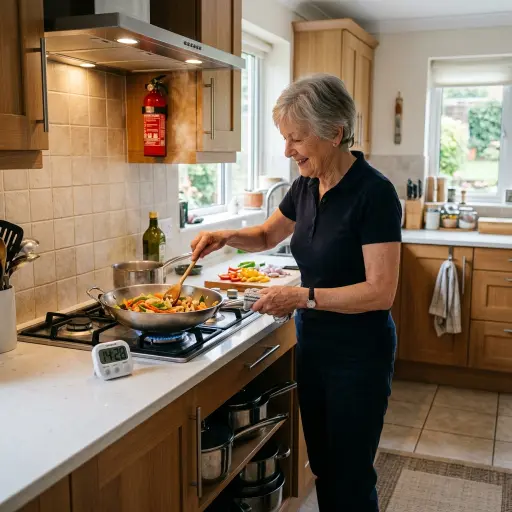
3. Make the kitchen safer: Cooking can become more difficult as balance, memory, or grip strength changes. The following should be done:
- Store pots, plates, and frequently used food at waist height.
- A kitchen timer can help reduce the risk of forgetting food on the stove.
- Wear close-fitting clothing with short or rolled-up sleeves when cooking to keep fabric away from open flames and hot surfaces.
- Keep a fire extinguisher within easy reach.
- If affordable, consider an automatic stove shut-off device for added protection.
- A senior should remain in the kitchen while cooking, particularly when using a stove or open flame.
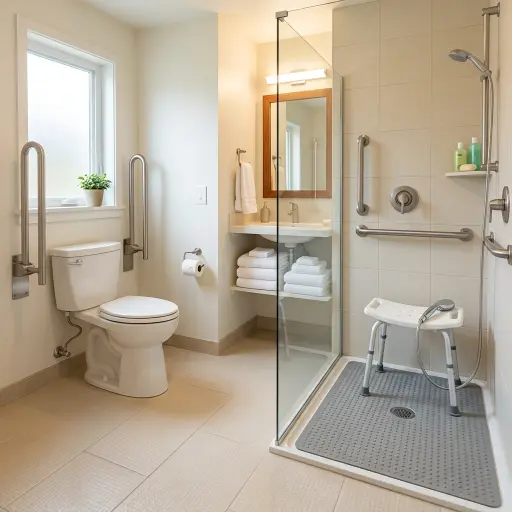
4. Reduce bathroom falls: Bathrooms can become particularly hazardous because wet surfaces are slippery.
- Install grab bars near the toilet and inside the shower or bath.
- Use a non-slip mat inside the shower or tub and keep it clean and flat.
- Place a rubber mat or use textured flooring outside the shower.
- Keep soap, shampoo, and towels within easy reach.
- Consider a shower stool if standing for long periods is difficult or tiring.
Avoid placing items where the senior must stretch, bend excessively, or step onto an unstable surface to reach them.
5. Stay connected without depending on the internet: Regular contact can help seniors living alone get assistance quickly when something goes wrong.
- Arrange regular calls or visits with family, friends, or neighbors.
- Keep important phone numbers, including family, trusted neighbors, and local emergency services, written in large print near the phone.
- Build a relationship with at least one nearby person who can check in or respond quickly when needed.
- Where mobile service is unreliable, keep a basic mobile phone or alert device charged and within reach.
- Where mobile or internet service is unreliable, a landline and a paper contact list can provide an important backup.
6. Prepare for emergencies: Seniors living alone should have an emergency plan that works even when electricity is unavailable.
- Keep a basic first aid kit, torch, spare batteries, and drinking water in an easy-to-find location.
- Write down current medications and doses and keep the list somewhere accessible to family members or emergency responders.
- Identify two safe ways to leave the home in case of fire and keep both routes clear.
- Test smoke alarms regularly and replace batteries before they run out.
7. Protect against scams and unwanted visitors: Home safety also includes protecting personal information and finances.
- Seniors should be taught not to share personal or banking information with unexpected callers until their identity has been confirmed.
- Treat unexpected prizes, offers, and urgent requests for money with caution.
- Check suspicious requests with a trusted family member or friend before taking action.
- Install a peephole or another safe viewing option at the entrance so the older person can identify visitors before opening the door.
8. Get help with tasks that are unsafe alone: Living independently does not mean handling every task without assistance.
- Avoid lifting heavy objects, climbing chairs, or carrying loads up and down stairs alone.
- Ask a family member, neighbor, or trusted helper for tasks involving ladders, heavy lifting, or difficult-to-reach areas.
- Use a grabber tool to reach high shelves instead of standing on furniture.
- Have someone periodically check smoke alarms, light fixtures, and grab bars to ensure they remain secure.
Conclusion
Making a home safer for an older person living alone does not require expensive technology or major renovations. Start by removing hazards, improving lighting, keeping communication within reach, and preparing for emergencies. Small, practical changes can reduce risks while helping seniors remain safe and independent in their own homes.
Sources