

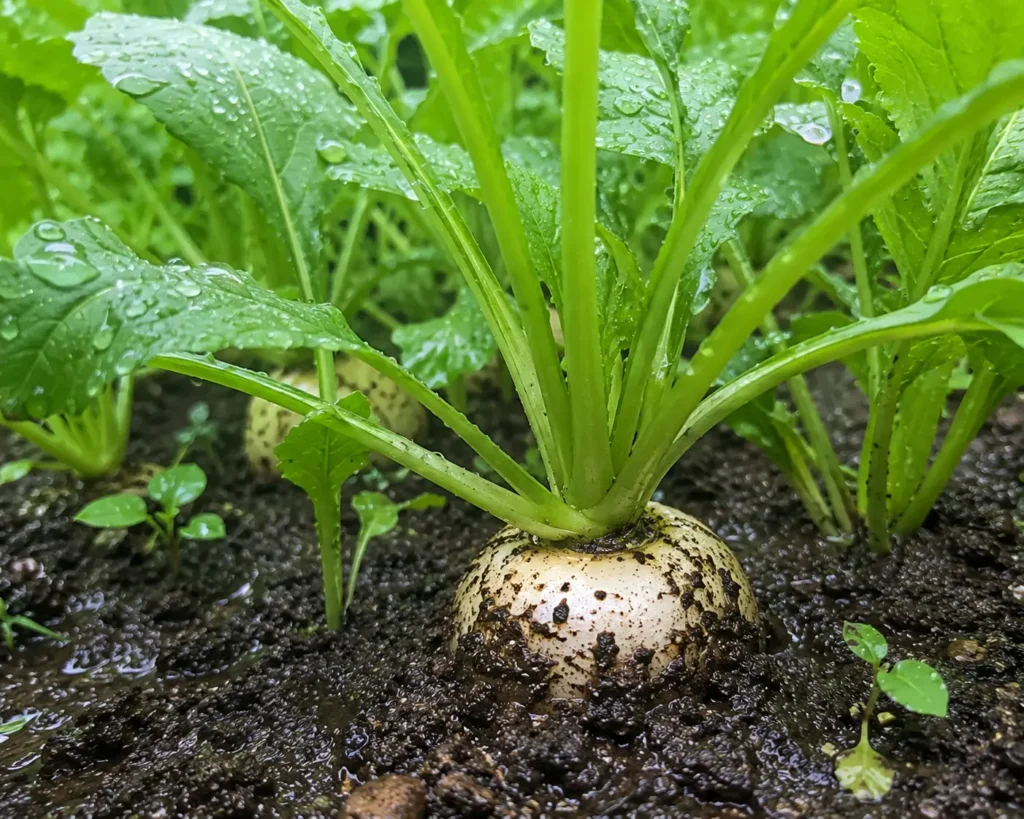

The rainy season creates favorable conditions for home gardening, making it one of the best periods for many plants to thrive. Increased rainfall helps keep the soil naturally moist, while cooler temperatures and higher humidity support healthy root development and leaf growth. In many tropical and subtropical regions, the rainy season typically occurs between April and October, although this may vary depending on local climate conditions. Choosing the right plants for your region, soil type, sunlight exposure, and drainage conditions is essential for maintaining a healthy and productive garden throughout the season.
Plants suitable for different rainy season climates
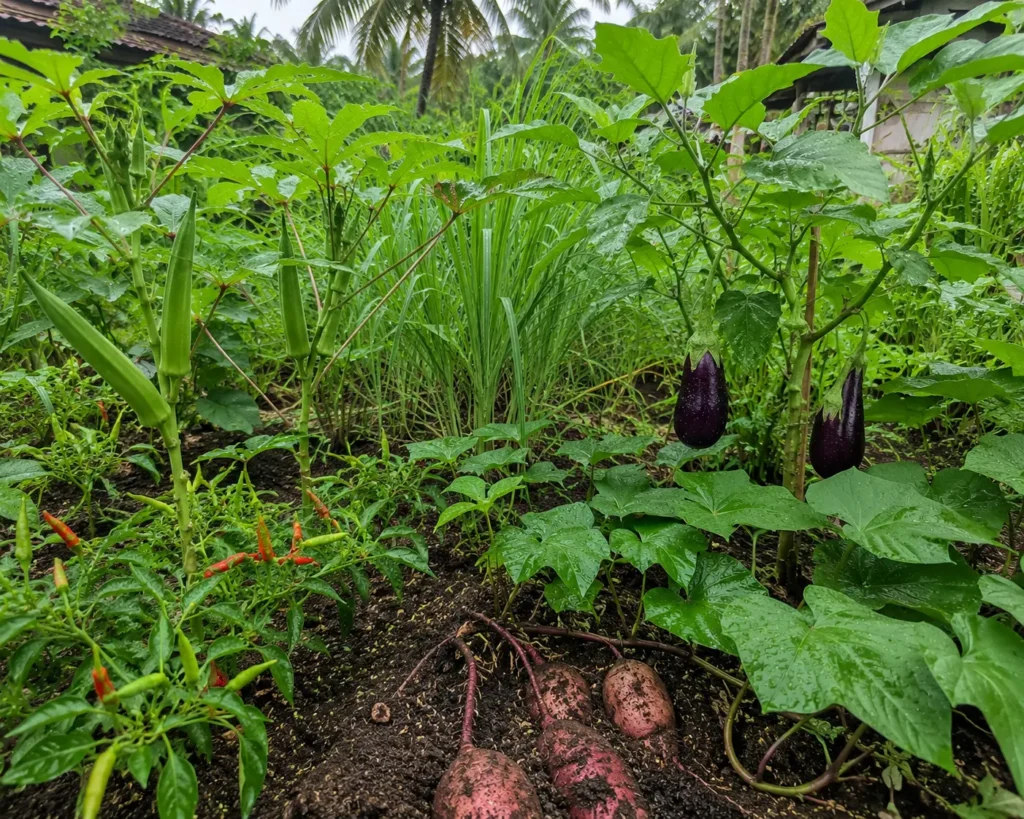
1. For tropical regions
Best choices include:
- okra
- chili pepper
- sweet potato
- lemongrass
- eggplant
2. For subtropical regions
Best choices include:
- cucumber
- beans
- marigold
- spinach
- basil
3. For regions with frequent rainfall
Best choices include:
- lettuce
- broccoli
- radish
- carrots
- peas
Best plants to grow in the garden during the rainy season
1. Okra
Okra thrives in loose, well-draining soils and requires consistent rainfall in its early stages. Once fully established, it becomes quite drought-resistant. Its rapid maturation cycle makes it ideal for small-scale backyard gardens.
Ideal growing conditions: plenty of sunlight. nutrient-rich, well-draining soil, and proper spacing for ventilation.
Dry-season cultivation: Okra may still produce fruit in dry conditions if properly irrigated.
2. Sweet potato
The sweet potato crop is among the most dependable crops during the rainy season, as the vines spread fast in wet soil. The crop can be stored easily after harvest.
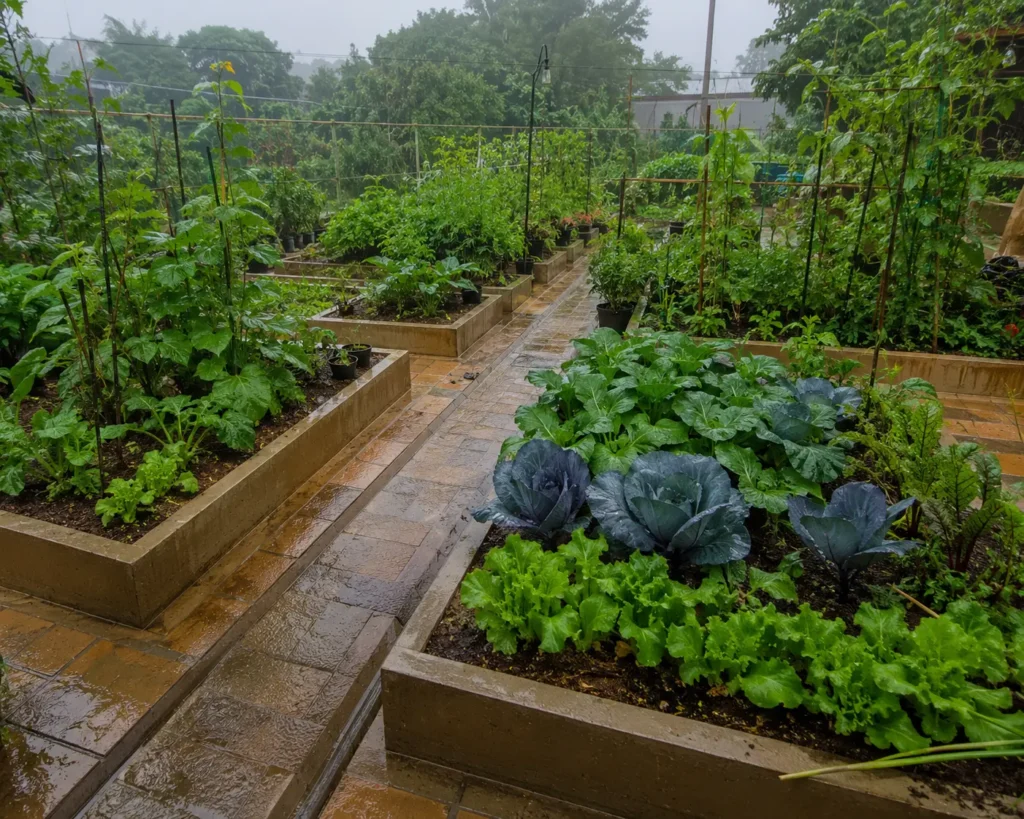
The raised bed cultivation technique enhances drainage and reduces tuber infections caused by excessive rainfall. The most favorable environment for cultivation is sandy or loamy soil, moderate rainfall, and warm temperatures. The crop has relatively higher tolerance to drought compared to other leafy crops after the maturity of the vines.
3. Chili pepper
Peppers require humid air with sufficient ventilation for proper growth. Proper spacing and pruning should be done when planting to avoid fungal infections. In areas with very heavy rains, using containers or planting in raised beds may result in healthier peppers than in flat beds.
The most favorable growing environment includes exposure to partial to full sun, raised or well-draining plant beds, and frequent pruning.
4. Spinach and leafy greens
Leaf vegetables thrive in the cool conditions brought about by rain during seasons in many areas. The tropical types of spinach will do well in moist environments compared to the temperate types of lettuce. The best growing conditions include partial sun in high temperatures, rich soil, and adequate moisture.
5. Marigold
Marigolds add vibrant color to rainy-season gardens while helping repel certain pests naturally. They are especially effective when planted alongside vegetables and herbs, where they can help reduce insect activity around companion crops.
Unlike many delicate flowering plants, marigolds recover quickly after heavy rainfall and continue blooming throughout wet conditions. Marigolds grow best in well-drained soil with moderate watering and access to full or partial sunlight. Once established, they tolerate dry weather reasonably well and continue flowering in warm conditions.
How to keep rainy-season plants healthy
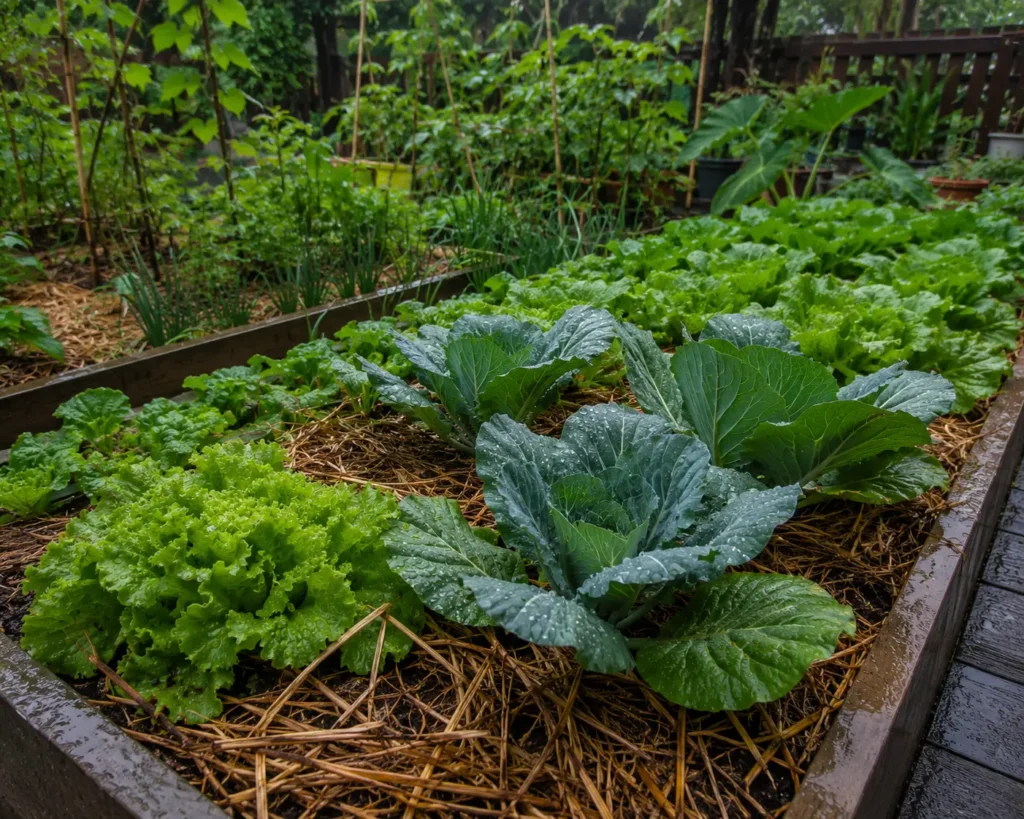
1. Enhance drainage: Pots and planting beds need good drainage to drain excess water. Stagnant water causes root rot and promotes fungal diseases.
2. Avoid crowding plants: Damp weather makes it difficult for plants to dry. Spacing helps maintain proper airflow.
3. Apply mulching properly: Organic mulches keep soil intact against heavy rains, but too much mulching can cause excess water buildup around plant stems.
4. Watch out for fungus diseases: Early symptoms include yellowing leaves, black spots on leaves, and mushy stems. It is important to remove infected leaves.
5. Use fertilizers appropriately: Over-fertilization during rainy seasons may lead to weak, soft plants. Organic fertilizers usually provide more stable growth.
Conclusion
A successful rainy-season garden is determined not only by the types of plants grown but also by how well the plants adapt to moisture, soil conditions, and the local climate. With proper drainage, healthy soil, and suitable plant selection, homeowners can maintain a thriving and productive garden throughout the rainy season.
Sources