

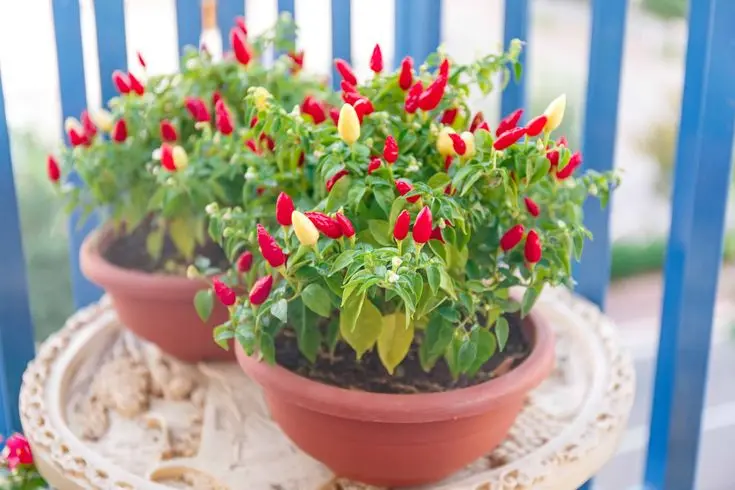

Growing peppers indoors can be an immensely rewarding way to enjoy fresh, vibrant fruits year‑round, but many beginners are surprised when their plants falter or fail to produce. Indoor pepper growing requires intentional control of light, temperature, water, nutrition, and conditions that don’t naturally exist inside most homes. With the right approach, you can avoid common pitfalls and set your pepper plants up for success. (Martha Stewart)
Here are the most important mistakes and how to avoid them, explained clearly and practically so you can grow healthy, productive peppers indoors.
1. Choosing the Wrong Varieties
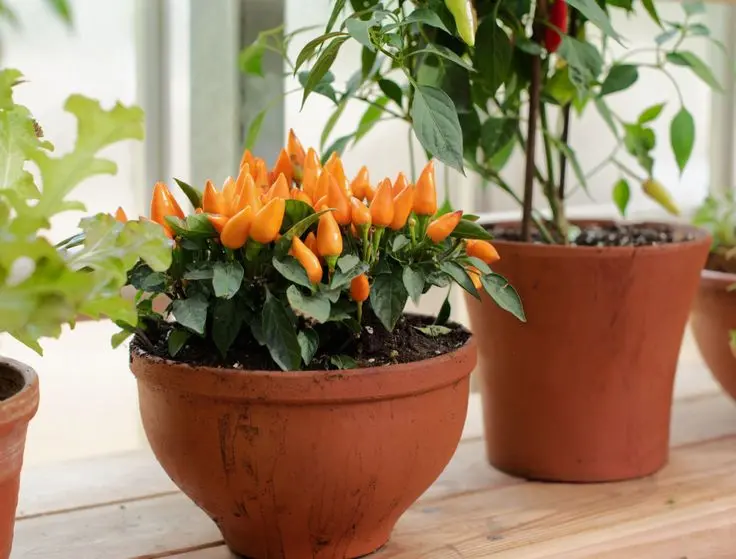
Not all peppers are suited for indoor cultivation. Many beginners pick large outdoor varieties expecting them to perform similarly indoors. Larger peppers like sweet bells and big frying types need more space, and light, than most indoor setups can realistically provide. Instead, choose compact or smaller varieties such as jalapeños, mini bells, or snack peppers that adapt better to confined spaces and limited light. (Spice Alibaba)
2. Ignoring the Light Requirements
One of the biggest mistakes beginners make in growing peppers indoors is assuming that ambient windowsill light is enough. Pepper plants are sun‑loving and typically require 12 to 16 hours of bright light daily to thrive and fruit indoors. South‑facing windows rarely provide sufficient light year‑round, especially in winter, and relying on them alone will lead to weak, leggy plants that struggle to flower or set fruit. The solution is to invest in full‑spectrum LED grow lights and position them close to the plant canopy, using a timer to ensure consistent daily lighting. (Martha Stewart)
3. Improper Temperature and Humidity Control
Peppers originate from tropical and subtropical regions, meaning they thrive in warm, stable conditions. Beginners often overlook the importance of temperature and humidity when growing peppers indoors. Too cool nighttime temperatures or drafts can cause stress, flower drop, and poor fruit set. Ideal daytime temperatures range in the low to mid‑70s°F (around 21–24°C), and nights should not fall too low. Maintaining moderate humidity (around 40–60 %) also helps prevent leaf stress and promotes steady growth. (Spice Alibaba)
4. Overwatering and Soil Mismanagement
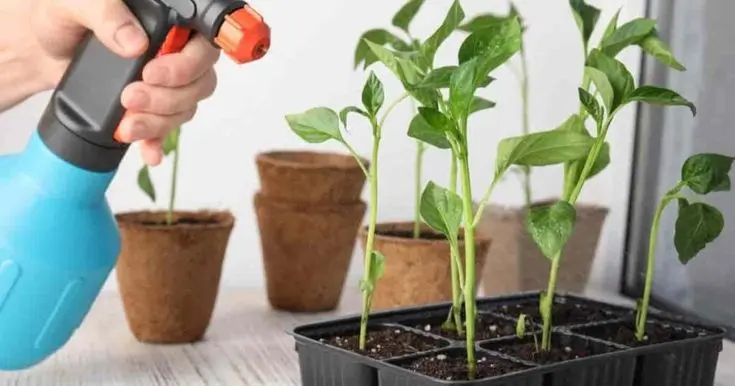
Many new growers assume peppers need a lot of water, but the opposite is often true indoors. Overwatering poorly draining soil is one of the most common reasons indoor pepper plants fail. Saturated soil prevents oxygen from reaching the roots and encourages root rot and fungal diseases. Water your plants only when the top inch of soil feels dry, and plant them in a quality potting mix that drains well. Avoid heavy garden soil, which compacts and suffocates roots. (10gardentips.com)
5. Not Hand‑Pollinating Flowers
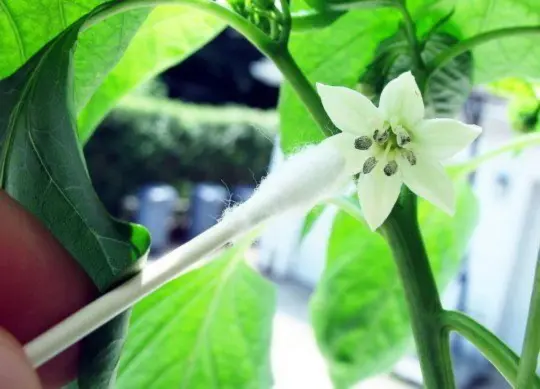
Outdoors, peppers rely on wind and insects for pollination. Indoors, however, there’s no natural pollination unless you provide it. Beginners often wonder why their plants are flower‑heavy but fruit‑light: the flowers simply aren’t being pollinated. With indoor growing, you need to hand-pollinate by gently brushing pollen from one flower to another or by lightly shaking plants every few days once they start blooming. (Better Homes & Gardens)
6. Inadequate Pot Size and Root Space
Growing pepper in small pots limits root development, which directly affects plant health and yield. Beginners frequently use containers that are too small because they underestimate how large pepper roots can grow. Choose containers at least 12 inches in diameter and deep enough to support root growth, and make sure they have adequate drainage holes. Larger containers also help stabilize moisture levels and reduce shock from temperature fluctuations. (seedlingsquad.com)
7. Skipping Regular Feeding and Fertilization
Indoor pepper plants depend entirely on you for their nutrients. Unlike outdoor gardens enriched by soil organisms and amendments, potted peppers can quickly deplete what’s available in the potting mix. Failing to fertilize regularly results in slow growth, pale leaves, and sparse flowers. Use a balanced, water‑soluble fertilizer and apply it per label instructions throughout the growing period to maintain steady nutrient availability. (Better Homes & Gardens)
8. Failing to Acclimate Seedlings or Transplants
Beginners often start seedlings too early or move plants outdoors without properly acclimating them, thinking indoor light or conditions will mimic outdoor environments. This shock can stunt growth or cause temporary wilting. While this happens more in outdoor transitions, it’s a reminder that peppers respond poorly to abrupt environmental changes. When starting seeds indoors, ensure consistent light and warmth, and don’t rush seedlings into stressful conditions such as extreme temperatures or sudden airflow changes. (Plants Sorumatik)
9. Lack of Airflow and Ventilation
Stagnant air is another overlooked element in indoor pepper growing. Poor ventilation encourages mold, pests, and weak stems. A gentle fan placed nearby improves airflow around plants, strengthening stems and reducing disease risks. Particularly in enclosed grow spaces, circulating air helps mimic natural breezes that outdoor peppers benefit from. (10gardentips.com)
10. Unrealistic Expectations About Yield and Growth
Finally, many beginners expect indoor pepper plants to perform as well as outdoor ones, but limitations in light intensity and space mean yields are usually lower indoors. Understanding that indoor production often results in smaller harvests helps set realistic goals and encourages adjustments such as supplemental lighting, pruning for bushier growth, and staggered planting to extend production. (Spice Alibaba)
Conclusion
What most beginners get wrong when growing peppers indoors largely comes down to understanding and managing the indoor environment. Indoor pepper gardening isn’t inherently difficult, but it demands attention to detail and willingness to adjust routines based on plant responses.