


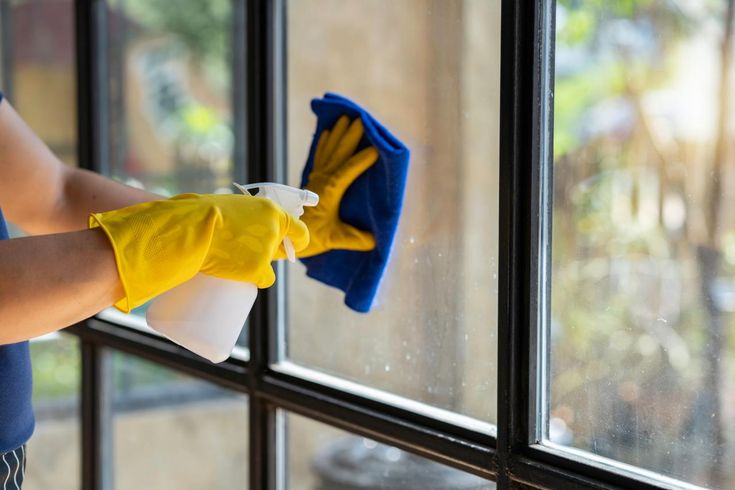

We’ve all experienced the frustration of cleaning a mirror or window, only to step back and see streaks and cloudy marks still staring back at us. Store-bought glass cleaners are often the first solution, but they can be expensive, leave behind a strong chemical smell, and rely on ammonia, a harsh ingredient that may irritate the lungs and damage surfaces like tinted windows or mirror backing.
The good news is that you don’t need harsh chemicals to get a clear, streak-free shine. With a few simple pantry items, you can make an effective DIY glass cleaner that costs less per bottle. Using natural ingredients like vinegar and alcohol, these solutions cut through grease and hard water spots without leaving a soapy film behind. This guide will show you how to clean glass properly and achieve a professional-level shine that’s safer for your home and your health.
DIY Recipes for cleaning mirrors and windows
Depending on what you have in your cabinet, choose the recipe that best fits your needs. Always use distilled water if possible; the minerals in tap water are often the secret culprit behind those pesky white spots:
1. Vinegar Mix
Perfect for routine dusting and light smudges.
- 1 cup distilled water
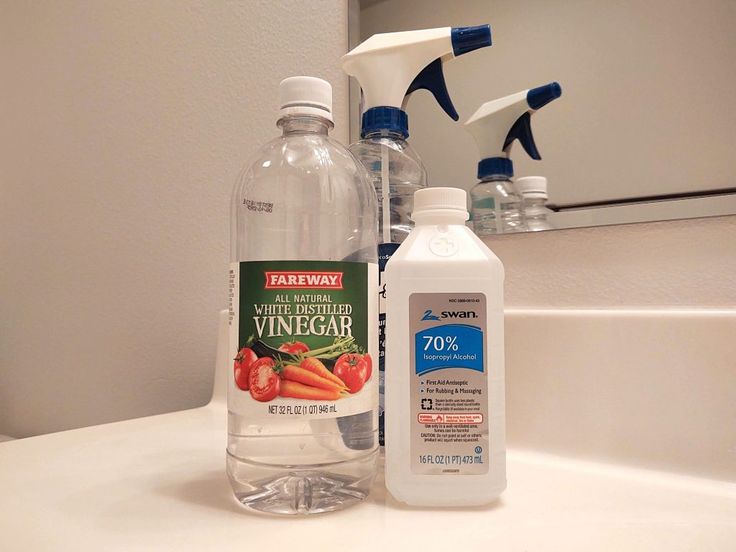
- 1 cup white vinegar
- Optional: 5–10 drops of lemon or peppermint essential oil to mask the vinegar scent.
If you live in a humid environment or hate waiting for windows to dry, the addition of alcohol is a game-changer:
- 1 cup distilled water
- 1 cup rubbing alcohol (70% isopropyl)
- 1 tbsp white vinegar
- Why it works: Alcohol evaporates almost instantly, which is the ultimate secret to preventing streaks.
2. Cornstarch Recipe
For exterior windows or mirrors that seem permanently cloudy, many pros swear by this “magic” ingredient.
- 1 ½ cups distilled water
- 3 tbsp white vinegar
- 2 tsp cornstarch
- Note: Shake well before each use. The cornstarch acts as a microscopic abrasive to lift stubborn grime.
Proper Techniques for Cleaning Mirrors and Glass
Even the best cleaner will fail if your technique is off. To get that “disappearing glass” look, follow these professional tips:
- Ditch the Paper Towels: Paper towels are surprisingly linty and can actually create static that attracts more dust. Instead, use a flat-weave microfiber cloth or, for a vintage hack, crumpled black-and-white newspaper.
- The “S” Pattern: Don’t rub in circles. Start at the top and move your hand in a continuous “S” shape down to the bottom. This prevents you from redepositing dirt onto clean areas.
- Buff to Finish: Once the glass is mostly dry, use a fresh, dry microfiber cloth to give it a final “buff.” This removes any remaining moisture that could turn into a streak.
- Spray the Cloth, Not the Mirror: To prevent “black edge” (where moisture seeps behind a mirror and ruins the silvering), spray your cleaner directly onto your cloth rather than the glass.
Conclusion
Whether you’re tackling a bathroom mirror or a whole house full of windows, these recipes ensure that the only thing you’ll see when you’re done is your own happy reflection. This guide is meant for general information and learning only and is not intended as professional advice.