


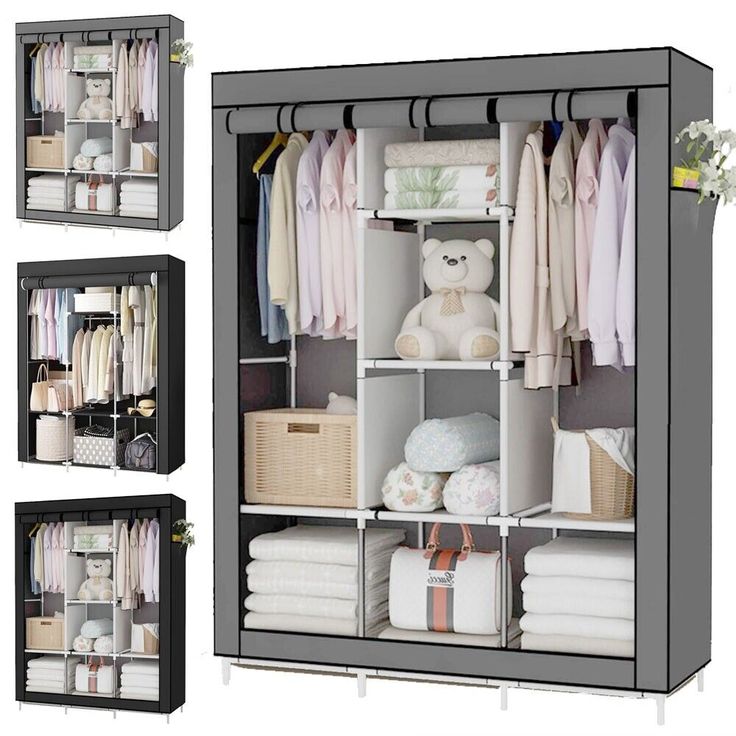

Organizing your clothing shelves is more than just a weekend project; it’s about creating a functional space that simplifies your morning routine. By combining expert folding techniques with strategic storage solutions, you can transform cluttered shelves into a streamlined wardrobe. Here is your guide to mastering clothing shelf organization.
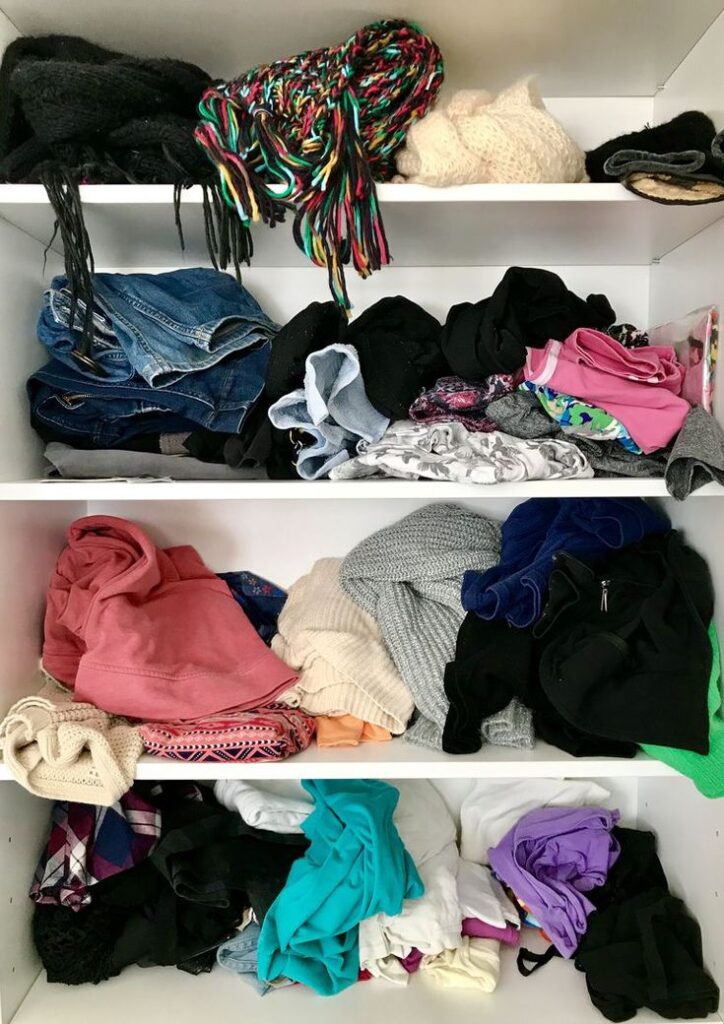
1. Categorize and Declutter your Clothing Shelves
Before you fold a single item, you must assess what you own:
- Group by Category: Sort your clothes into clear groups, sweaters, jeans, t-shirts, and activewear.
- Make Space for More: If you haven’t worn an item in a year or it no longer fits your style, it’s time to donate or sell it.
- Assess Shelf Height: Standard shelves often have too much vertical space, leading to “leaning towers” of clothes. Consider adjustable shelving to maximize every inch of your closet.
2. Master the Art of Folding
How you fold determines how much you can fit and how easy it is to see your options:
- The “File Folding” Method: Instead of stacking items high, fold them into compact rectangles that can stand upright. This allows you to see every shirt or pair of pants at once without digging through a pile.
- Uniform Widths: Use a folding board or a standard book as a guide to ensure all items are the same width. This creates clean lines on your shelves that look professionally organized.
- Heavier Items on Top: For traditional stacking, place heavier items like denim or thick wool sweaters at the bottom and lighter items like cotton tees on top to prevent toppling.
3. Use Smart Containers and Dividers
Clothing shelves lack walls, which is why clothes often spill over:
- Shelf Dividers: These are game-changers for open shelving. They act as “bookends” for your clothes, keeping stacks of sweaters or jeans perfectly vertical.
- Baskets and Bins: Use containers for items that don’t stack well, such as swimwear, scarves, or gym gear. Label these bins so you know exactly what’s inside without pulling them down.
- Acrylic vs. Wicker: Clear acrylic dividers and bins provide a high-end, boutique look and make items easy to locate. Wicker or fabric bins offer a softer, more decorative aesthetic.
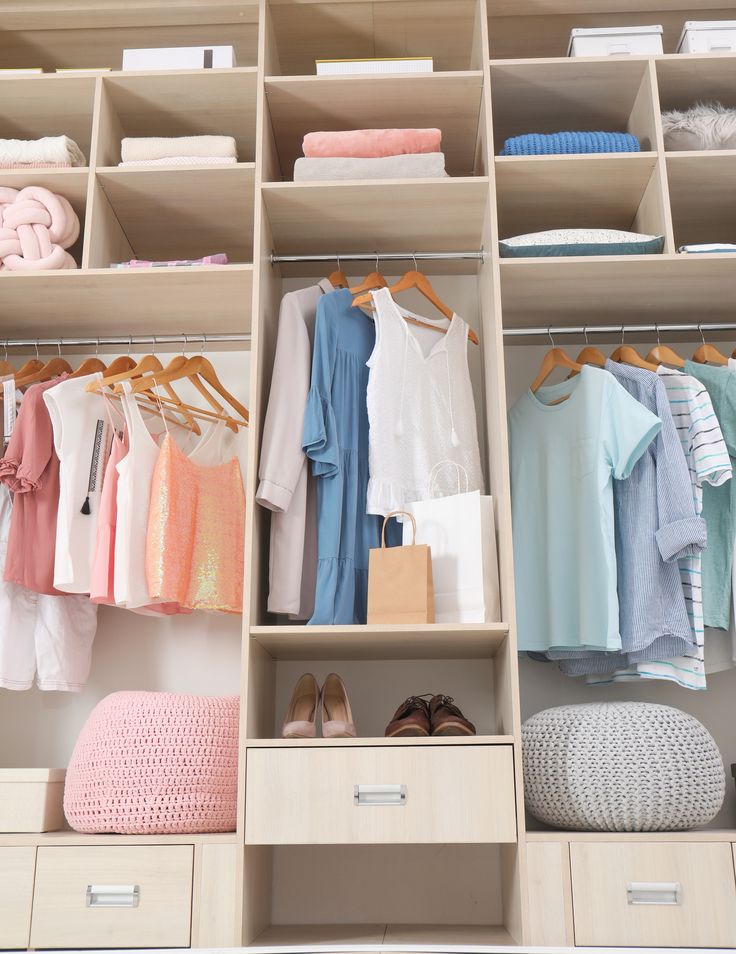
4. Optimize Placement for Daily Use
Organize your clothing shelves based on your lifestyle and the frequency of use:
- The “Eye Level” Rule: Store the items you wear most often at eye level. This usually includes your daily work attire or favorite denim.
- High-Altitude Storage: Reserve the very top shelves for off-season clothing, formal wear, or bulky items like extra blankets and pillows.
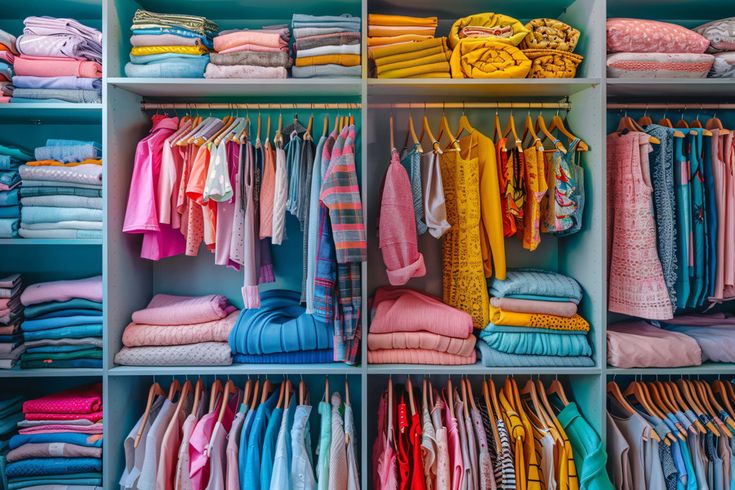
- Color Coding: For a visually soothing closet, arrange your folded stacks by color, moving from light to dark or following the colors of the rainbow.
Conclusion
The key to a long-lasting organized clothing shelves is maintenance. Twice a year, rotate your wardrobe. Move summer linens to the top shelves in winter and bring heavy knits down to eye level when the temperature drops.