
Practical Insights for Safer, Smarter, Sustainable Homes

Termite identification
Home Pest Control

HOW TO IDENTIFY AND PREVENT TERMITE DAMAGE

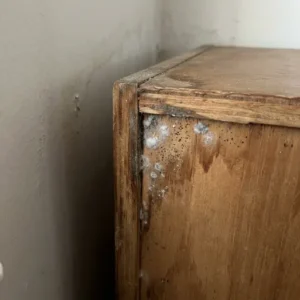
Termites are among the most destructive pests in homes worldwide. They can silently cause severe damage to wooden structures, furniture, and even the foundations of buildings. Because termites often stay hidden, many homeowners only discover them after extensive damage has already occurred. Identifying early signs of termites and preventing infestations are essential steps in protecting your property. How to Identify Termites and Their Damage The first step in protecting your home from termites is knowing what to look for. Because termites often stay hidden in damp or dark areas, early detection requires careful inspection and attention. Start by doing the following: 1. Check Wood for Damage Termites feed on cellulose found in wood and other plant materials. You can test for damage by gently tapping wooden surfaces or probing them with a screwdriver. Hollow sounds or wood that breaks easily could indicate termite activity inside. 2. Other Signs of Termites Other signs of termite infestation include: 3. Recognize Termite Swarmers Termite swarmers, also known as alates, are reproductive termites that leave the colony to start new ones. They are sometimes mistaken for ants, but you can tell them apart with these key differences: How to Prevent Termite Infestation Preventing termites is much easier and less costly than dealing with an established infestation. You can reduce the risk of termite infestation significantly by following these preventive measures: 1. Keep Moisture Under Control Termites thrive in damp environments. Fix leaking pipes, taps, and roofs promptly. Ensure gutters and downspouts channel water away from the house and keep basements or crawl spaces well ventilated. 2. Maintain a Safe Distance Between Soil and Wood Ensure that the wooden parts of the building do not come into direct contact with the soil. Use concrete or metal barriers where possible and maintain adequate clearance beneath wooden structures to prevent potential hazards. 3. Use Treated or Protected Wood When building or renovating, choose pressure-treated or termite-resistant wood. Applying borate treatments to exposed wood can also offer long-term protection. 4. Seal Entry Points Close cracks in foundations, walls, and around utility pipes. These small gaps can become entry points for termites and other pests. 5. Clear Debris and Wood Waste Avoid piling firewood, cardboard, or wooden debris against your home. Store firewood at least a few feet away and off the ground. Regularly clear away dead trees, stumps, and old timber around your property. 6. Regular Inspections Inspect your home at least once a year, paying attention to vulnerable areas such as basements, wooden floors, and window frames. Early detection helps you act quickly before the damage worsens. Treatment Options for Termite Control If termites are found, immediate action is crucial. The most common treatment methods include: 1. Soil Treatment This involves applying a liquid termiticide to the soil around and beneath the building. It creates a protective barrier that either repels or kills termites when they come into contact with it. 2. Termite Baiting Bait stations should be placed strategically around the property to target termite activity. Termites feed on the cellulose-based bait, which contains a slow-acting ingredient. As they return to their colony, they share the substance with other members, allowing it to spread throughout the colony and gradually eliminate it. 3. Wood Treatment Wood can be treated directly with borate-based or other approved termiticides. These treatments are especially effective during construction or renovation, as they protect wood from future infestations. Always follow safety guidelines when using pesticides. When possible, hire a licensed pest control professional who possesses the necessary knowledge, tools, and chemicals to effectively and safely treat infestations. Conclusion Some termite problems are beyond the scope of do-it-yourself solutions. If you notice widespread damage, active mud tubes, or recurring infestations, seek professional pest control services. Choose a licensed or certified company, ask about the methods and chemicals they use, and request a warranty or follow-up plan after treatment. A proactive approach is the best defense: detect early, act quickly, and maintain consistent prevention practices to keep your home termite-free.

Read More »
Twisted fruit peeler
Entaliaz Household Product Page

MANUAL TWISTED FRUIT PEELER: A MUST-HAVE TOOL FOR EVERY HOME KITCHEN 

The Manual Twisted Fruit Peeler is a compact, durable, and easy-to-clean kitchen essential designed to save you time and effort every day. Say goodbye to tedious peeling and slicing. This smart, easy-to-use tool makes fruit preparation faster, smoother, and cleaner than ever. From apples and pears to potatoes, it delivers perfect results with minimal effort and maximum precision. Features of the Manual Twisted Fruit Peeler 1. Built for Strength and Durability Crafted for long-term performance, the Manual Twisted Fruit Peeler is made from ultra-strong die-cast alloy and fitted with premium 304 stainless steel blades. This high-grade material resists rust, corrosion, and dulling, ensuring that the blades remain sharp and reliable through frequent use. The sturdy alloy body adds stability and strength, making the peeler a dependable kitchen tool that maintains its quality for years. 2. Easy and Flexible to Use The peeler’s three-way operation allows you to peel, core, and slice fruits either separately or all at once. This versatility helps you prepare your fruits exactly how your recipes require, saving time while delivering neat, uniform results. 3. Safe and Steady Design Safety and stability are at the heart of its design. The peeler is equipped with a durable, vacuum-rubber suction base that firmly anchors it to smooth or non-porous surfaces, ensuring steady, slip-free use. To secure it, simply press down and flip the lever to activate the suction. This steady setup allows you to peel and slice confidently, ensuring both efficiency and peace of mind in your kitchen. How to Clean the Manual Twisted Fruit Peeler Cleaning the Manual Twisted Fruit Peeler is simple and quick. After each use, detach any removable parts and rinse them under warm running water. Gently wipe the blades and body with a soft cloth or sponge to remove residue, then let them air-dry completely before reassembling. To preserve its shine and prevent rust, avoid soaking the metal parts for long periods. Once dry, store the peeler in a cool, dry place or in a kitchen drawer. Its compact size makes it easy to store while keeping your kitchen neat and organized. Conclusion The Manual Twisted Fruit Peeler is a reliable and versatile tool that simplifies everyday food preparation. Its durable build, multi-functional design, and secure suction base make it a valuable addition to any kitchen. Add this time-saving gadget to your collection and enjoy the ease of preparing fresh, perfectly sliced fruits anytime. See our other products.

Read More »
Bottle warmer
Appliances Cleaning

HOW TO SAFELY CLEAN AND SANITIZE A BABY BOTTLE WARMER (WATER RESERVOIR MODEL)

Many parents clean their baby’s bottles after every feed, but the device that warms those bottles also deserves attention. Even if bottles are spotless, the bottle warmer itself can harbor bacteria, mold, and mineral deposits inside its water reservoir, heating chamber, or removable parts. These contaminants can transfer into the milk during the heating process, posing a risk to the baby’s health. Keeping the bottle warmer clean and sanitized prevents contamination, preserves efficiency, and prolongs the appliance’s lifespan. Before You Start Cleaning Bottle warmers often feature a combination of plastic and stainless-steel components. Vinegar is generally safe for stainless steel, while plastic parts should be washed only with a mild detergent. Abrasive tools or harsh chemicals should be avoided near heating elements to prevent surface damage. Always follow the manufacturer’s care recommendations for the best results. Step-by-Step Cleaning and Sanitizing Guide 1. Unplug and Let It Cool Always unplug the warmer and allow it to cool completely before cleaning to prevent burns or electrical hazards. 2. Disassemble Removable Parts Detach the drip tray, bottle holder, and any other removable components. Cleaning these parts separately ensures complete sanitation.  3. Wash with Mild Soap Use warm water and a soft cloth or sponge with mild dish soap. Daily washing helps prevent residue buildup and bacterial growth. Soak the removable parts in a mild bleach solution (1 teaspoon bleach per gallon of water) for 2–5 minutes, then rinse thoroughly with clean water. If compatible, a steam sterilizer provides a chemical-free sanitizing alternative. 4. Dry Completely Wipe with a clean towel or allow parts to air-dry fully. Residual moisture can promote mold growth or unpleasant odors. 5. Descaling and Sanitizing the Baby Bottle Warmer Reservoir  Mix equal parts white vinegar and water, and pour the solution into the bottle warmer reservoir. Run a full heating cycle to allow heat to assist in descaling and sanitizing.Let the solution sit for at least 30 minutes, then discard and rinse thoroughly. This process should be performed every 2–4 weeks, depending on usage frequency and water hardness. If the warmer stops heating properly, mineral buildup may be affecting the heating element. Regular descaling helps maintain performance and prevents malfunction. Maintenance Practice For Built-in Bottle Warmer Reservoir  Conclusion  Cleaning and sanitizing a baby’s bottle warmer are a simple but essential part of maintaining hygiene.

Read More »
Meal planning
Home Saftey For Children

MEAL PLANNING FOR CHILDREN: NUTRITIOUS AND FUN MEALS FOR HEALTHY EATING

For many parents, the question “What’s for dinner?” can spark a wave of daily stress. Between busy schedules, picky eaters, and grocery lists, it’s easy to feel overwhelmed. Meal planning can make a difference. With a little preparation, you can create a flexible roadmap for the week that saves money, reduces stress, and ensures your children enjoy nutritious, balanced meals. This guide will help you design a child-friendly meal plan with variety, fun, and healthy choices. Why Meal Planning Matters for Your Child’s Health Meal planning ensures your child gets all the essential nutrients for healthy growth and development. The benefits include: Stress-Free and Practical Meal Planning for Kids Meal planning doesn’t have to mean cooking a completely different meal for each child. Focus on simplicity, flexibility, and efficiency: 1. Plan a few flexible meals using versatile ingredients Choose 3–5 easy, wholesome meals for kids that everyone enjoys. Use versatile ingredients that can be adapted into multiple dishes throughout the week. For example, rice can be paired with stew, transformed into vegetable rice stew, or made into jollof rice; beans can be served with bread, rice, pap, or plantain; and yams can be boiled, fried with egg sauce, or combined with eggs as yamarita. 2. Check and Plan Before Shopping Before heading out, take stock of what’s already in your pantry, fridge, and freezer. Staples like rice, beans, pasta, or frozen vegetables form the base for many meals. Use up leftovers or perishable items early in the week to save money and reduce waste. When it’s time to shop, whether at a supermarket or local market, make a simple list based on what your children actually eat and enjoy. This helps you plan meals that suit their tastes and meet their nutritional needs. By choosing affordable, versatile ingredients, like grains, fruits, and proteins that can be used in multiple dishes, you’ll save time, ensure balanced nutrition, and always have ingredients ready for wholesome meals your kids will enjoy.   3. Include batch cooking Add a bit of batch cooking to your weekend routine. Preparing and storing foods like chopped vegetables, cooked meats, or soups ahead of time means healthy meals are always ready when your children need them. This keeps their eating schedule consistent, prevents skipped breakfasts or last-minute junk food, and supports better focus and energy throughout their day. Conclusion Meal planning doesn’t have to be perfect; it’s about creating structure and staying flexible. With a little preparation, creativity, and practical strategies, you can make family mealtime enjoyable and stress-free.

Read More »
Exercise safety
Home Safety

7 OUTDOOR EXERCISE SAFETY TIPS: PRACTICAL GUIDE

Outdoor exercise safety is essential for anyone who enjoys staying active outside. It is one of the simplest and most rewarding ways to stay fit, relieve stress, and enjoy nature, all without the cost of a gym membership. Whether it’s a morning jog, an evening walk, or working out outside provides undeniable physical and mental benefits. However, outdoor activities can present certain risks, including changing weather, dehydration, and general safety concerns. With a few smart precautions, you can make every outdoor workout both safe and enjoyable. This guide shares straightforward, real-world tips for staying safe during any outdoor workout. Outdoor Exercise Safety Tips 1. Choose the Right Shoes and Equipment Good outdoor exercise safety starts with the right gear. Proper footwear matters. Wear shoes designed for your specific activity, running shoes for jogging, cross-trainers for mixed workouts, and cycling shoes with a firm grip for biking. Supportive shoes help prevent blisters, ankle injuries, and joint strain. If you’re cycling, wear a good-quality helmet for protection. A small whistle or reflective wristband can also be useful for visibility and awareness. 2. Wear Bright or Reflective Clothing Visibility is a key part of outdoor exercise safety. Many people exercise early in the morning or late in the evening when the light is low. Wear bright-colored clothing, reflective vests, or LED armbands so drivers and cyclists can easily spot you. Avoid dark outfits that blend into the surroundings. 3. Use Safety Technology Wisely Technology can enhance outdoor exercise safety. Fitness trackers and smartwatches often include GPS, heart-rate monitors, and activity alerts. Carry an ID tag or medical bracelet if you have allergies or health conditions. If you prefer solo workouts, let someone know your route and expected return time. You can also use simple location-sharing features with trusted friends or family during long runs or rides. 4. Weather Awareness Another important aspect of outdoor exercise safety is understanding weather conditions. If the weather looks unfavorable, like heavy rain, strong wind, or poor visibility, it’s best to move your workout indoors or wait until conditions improve. Even light rain can make surfaces slippery, so having an indoor backup routine (like stretching or yoga) keeps you consistent and safe. 5. Follow Road and Trail Rules If sidewalks are available, use them. When running on roads without sidewalks, face oncoming traffic so you can see vehicles. Cyclists should always ride with the flow of traffic and obey all traffic signals. At intersections, make eye contact with drivers before crossing. 6. Be Smart About Headphones Music can keep you motivated, but it can also distract you from your surroundings. Keep the volume low enough to hear approaching cars or cyclists. Consider using one earbud or open-ear headphones to stay aware of your environment. 7. Warm Up and Cool Down No outdoor exercise safety plan is complete without proper warm-ups and cool-downs. Spend 5–10 minutes stretching before and after the activity. Warming up improves flexibility and circulation, while cooling down helps prevent stiffness and cramps. Increase your intensity gradually. Listen to your body and rest if you feel tired or lightheaded. Conclusion Staying safe while exercising outdoors requires proper preparation. With a little planning, you can enjoy all the benefits of outdoor workouts, fresh air, freedom, and fitness, without unnecessary risks. The outdoors is your free gym, make the most of it and do it safely!

Read More »
Refrigerator water dispenser
Appliances Cleaning

HOW TO CLEAN AND DISINFECT YOUR REFRIGERATOR WATER DISPENSER

Refrigerator water dispensers are a convenient feature in modern homes, offering chilled, filtered water at the push of a button. However, over time, they can accumulate mold, bacteria, and mineral deposits from constant moisture and infrequent cleaning. These contaminants may cause unpleasant tastes, odors, or even minor health risks if left unchecked. Regular cleaning keeps your water fresh, safe to drink, and guarantees your dispenser operates effectively for years. In this guide, we’ll show you how to clean and disinfect your refrigerator’s built-in water dispenser step by step, using safe and effective methods you can perform at home. Materials for Cleaning the Refrigerator Water Dispenser Gather these simple household items before you begin: Step-by-Step Guide to Cleaning and Disinfecting Step 1: Unplug the refrigerator  Unplug your refrigerator and place towels under the dispenser to catch water drips. Step 2: Remove and Clean Detachable Parts Remove the removable parts, such as the drip tray, spout cover, or nozzle guard. Soak them in warm, soapy water for 10–15 minutes, then scrub gently with a soft toothbrush or cotton swab. Avoid abrasive scrubbers, rinse thoroughly, and dry with a microfiber cloth. Step 3: Clean the Nozzle and Exterior Dip a toothbrush or cotton swab in white vinegar and scrub around the nozzle area. For tough mineral buildup, wrap a vinegar-soaked paper towel around the nozzle for 5–10 minutes. Wipe the refrigerator water dispenser surface and control panel with a cloth dampened in mild soapy water. Do not spray the cleaning water directly on buttons or digital panels; moisture can damage electronics. Finish by wiping with a clean, damp cloth and drying completely. Step 4: Flush the Internal Lines Mix a 1:1 solution of white vinegar and warm water. Pour this mixture into the dispenser’s reservoir or connect it through the water line, depending on your fridge model. Dispense the vinegar solution through the nozzle for a few seconds to fill the line, then stop and let it sit for about 5 minutes. This allows the solution to dissolve any buildup. Afterward, run clean water through the dispenser several times until the vinegar smell is gone. Don’t skip rinsing; leftover vinegar can affect the taste of your water. If your refrigerator water dispenser has a replaceable filter, clean or replace it now, following the manufacturer’s instructions. If not, simply continue to the next step. Step 5: Dry and Reassemble Dry all cleaned parts thoroughly to prevent mold growth. Reattach the parts, plug in the refrigerator, and run a small amount of water to ensure it’s working properly. Conclusion Make it part of your regular home care routine by wiping the refrigerator water dispenser weekly and deep cleaning it every two to three months. For more practical home maintenance and appliance care tips, explore our other guides to keep your kitchen clean. 

Read More »